
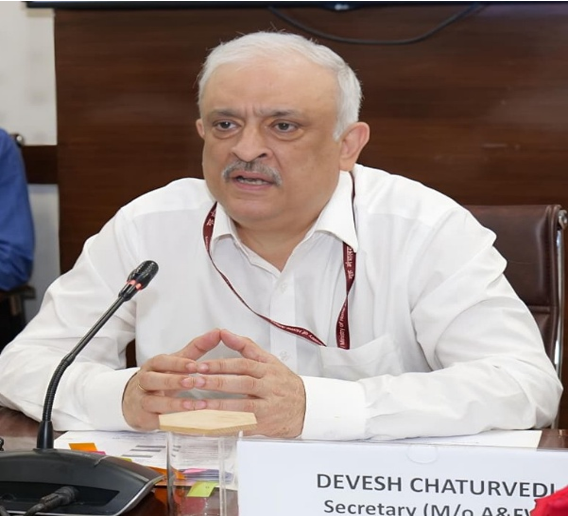
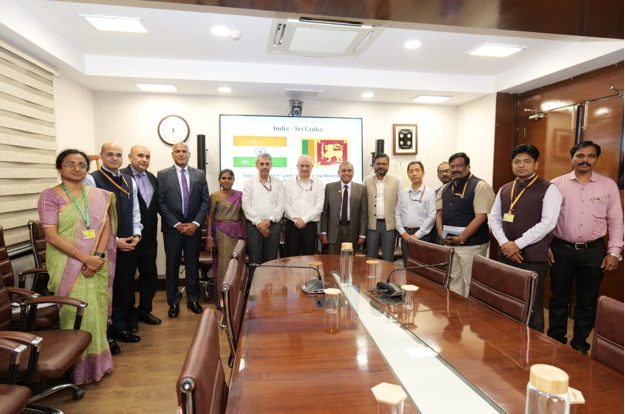
New Delhi witnessed a significant step forward in bilateral relations as officials from India and Sri Lanka came together for their inaugural Joint Working Group session dedicated to agriculture. Held at the heart of the country’s agricultural administration, this gathering marked a fresh chapter in collaborative efforts between the two neighboring nations.
Key Areas of Discussion in the India Sri Lanka Agriculture JWG
The conversations revolved around practical ways to enhance farming practices and sustainability. Leaders from both sides delved into topics like introducing modern machinery to fields, promoting chemical-free cultivation methods, and improving the quality and availability of seeds. They also explored how to nurture business-minded farmers and strengthen educational programs in the sector.
Soil care emerged as a critical focus, with talks on maintaining fertility and productivity over the long term. Access to markets for produce was another priority, alongside developing crops that can withstand changing weather patterns. The potential for shared studies and training programs received enthusiastic support, aiming to build skills and knowledge across borders.
Exploring Modern Innovations and Support Systems
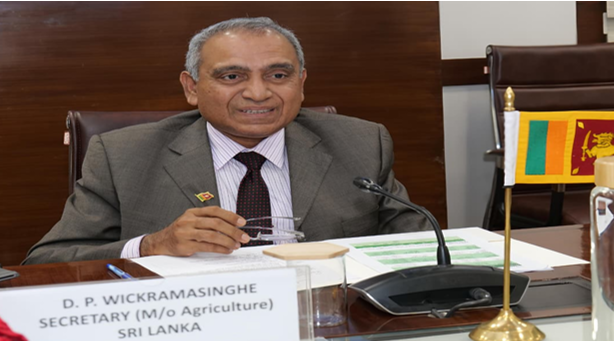
Beyond traditional methods, the agenda included forward-thinking ideas such as using technology for smarter farming decisions, protecting crops through insurance schemes, and encouraging new ventures in the agricultural space. These elements are seen as vital for adapting to future challenges and opportunities in the industry.
A highlight of the visit was the Sri Lankan team’s tour of a premier research facility in the capital. There, they observed firsthand the advancements in crop science, technology integration, and innovative solutions that drive India’s agricultural progress. This exposure provided valuable lessons that could be adapted back home.
Strengthening Food Security Through Partnership
At its core, the India Sri Lanka Agriculture JWG underscored a mutual goal: ensuring reliable access to nutritious food for people in both countries. By pooling expertise and resources, the nations aim to create resilient systems that benefit farmers, consumers, and the environment alike.
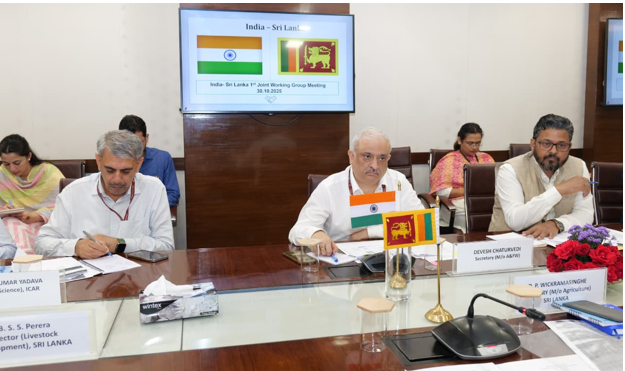
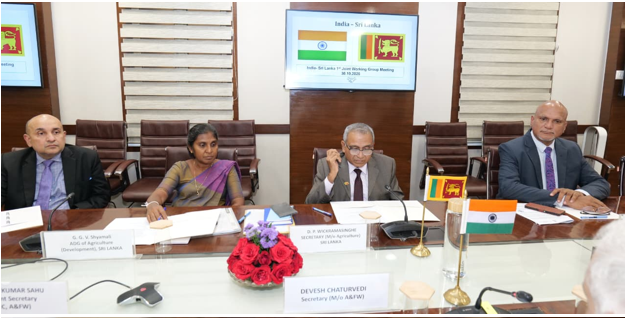
The Indian side was led by a senior official from the agriculture and farmers welfare department, while the Sri Lankan group was headed by their counterpart overseeing agriculture, livestock, land, and irrigation. Supporting the leads were experts in livestock planning, agricultural development, and diplomatic representation.
From India, participants included high-level advisors from the same department, the authority responsible for plant variety protection, research and education bodies, a key agricultural council, and foreign affairs representatives. This diverse assembly ensured comprehensive coverage of all relevant aspects.
Potential Outcomes and Future Steps
Such meetings lay the groundwork for tangible projects. For instance, joint initiatives in seed improvement could lead to varieties better suited to regional climates, reducing dependency on imports and enhancing yields. Similarly, sharing best practices in natural farming might help reduce costs for smallholders and promote healthier soils.
Farm mechanization stands out as an area with immediate impact. Access to affordable tools and equipment can ease labor shortages and increase efficiency, particularly in labor-intensive tasks like planting and harvesting. Entrepreneurship programs could inspire young people to innovate, creating jobs and value-added products from raw farm output.
Education and capacity building are long-term investments. Exchange programs for students, researchers, and extension workers can foster a new generation equipped with cutting-edge knowledge. Soil health management, often overlooked, is foundational; healthy soils support higher productivity and sustainability.
Market access discussions highlight the need for smoother trade flows. Removing barriers and aligning standards can open doors for exporters on both sides, boosting incomes. Climate-resilient agriculture addresses pressing realities like unpredictable monsoons and rising temperatures, with strategies including drought-tolerant crops and water conservation techniques.
Broader Implications for Regional Cooperation
This India Sri Lanka Agriculture JWG is more than a one-off event; it signals ongoing commitment to neighborly support in a crucial sector. Agriculture employs millions in both countries and underpins economic stability. Collaborative efforts can amplify successes and mitigate shared risks, from pest outbreaks to market fluctuations.
Digital tools, such as apps for weather forecasting or market prices, can empower farmers with real-time information. Crop insurance provides a safety net, encouraging investment in improved practices without fear of total loss. Startups bring fresh ideas, from precision farming drones to bio-based fertilizers.
The visit to the research institute offered a glimpse into possibilities. Facilities there showcase everything from genetic engineering to sustainable pest management. Sri Lankan officials left with ideas to replicate or adapt, potentially sparking similar innovations at home.
Ultimately, these interactions build trust and understanding. They pave the way for more frequent exchanges, joint ventures, and perhaps even regional frameworks involving other South Asian countries. Food and nutritional security remain paramount, especially in a world facing population growth and environmental pressures.
As both nations move forward, the outcomes of this first India Sri Lanka Agriculture JWG will likely influence policies and programs for years to come. Farmers stand to gain the most, with access to better resources, knowledge, and markets.
Staying updated on such developments is key for anyone involved in or interested in the agricultural landscape. Initiatives like these shape the future of farming in the region.