
South Eastern Coalfields Limited, known as SECL and a key arm of Coal India, has taken a major stride in upgrading workplace conditions in its coal mining regions. The company recently set up 43 eco-friendly bio-toilets as part of a nationwide government drive called Special Campaign 5.0. This effort targets better cleanliness, eco-protection, and equal access to facilities for everyone on the job, especially in tough mining spots where basic amenities are scarce.
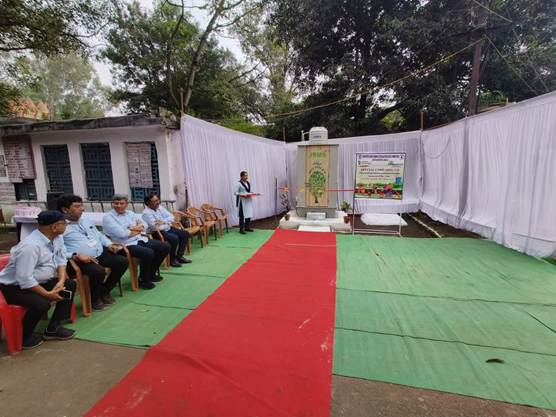
Breakdown of New Facilities Across Key Areas
In the Sohagpur region, workers and officials celebrated the opening of 16 new bio-toilets at different sites. Meanwhile, the Bhatgaon region saw 27 units become operational. These additions form a crucial part of SECL’s ongoing push to build strong sanitation systems in remote coalfields. Miners often face challenges with traditional setups due to the rugged terrain and water shortages, making these modern alternatives a practical solution.
The bio-toilets work through a simple biological process. Bacteria break down human waste into harmless water and gas, which means no foul odors, no groundwater contamination, and much less water usage compared to regular flush systems. This technology fits perfectly in areas where building sewer lines is not feasible, helping keep the surroundings clean and reducing health risks for the workforce.
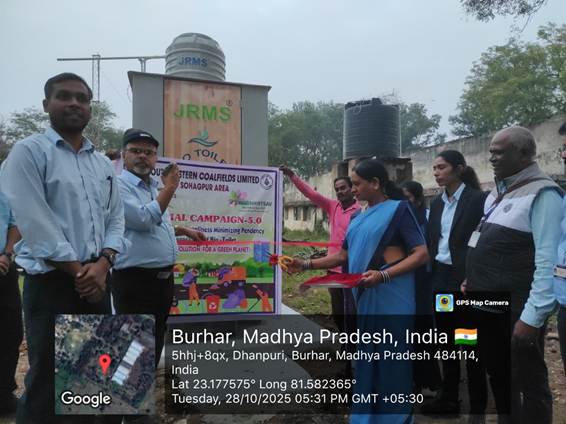
How Bio-Toilets Support Cleaner and Greener Mining
SECL’s move ties directly into the broader goals of the Swachh Bharat Mission, which pushes for spotless public spaces and sustainable habits across the country. By choosing bio-toilets, the company cuts down on pollution from open defecation or poorly managed waste, common issues in industrial zones. The treated output is safe for the environment, preserving local soil and water bodies near the mines.
Water conservation stands out as a big win here. Each unit saves thousands of liters annually, a vital factor in Chhattisgarh’s mining belts where dry seasons hit hard. SECL operators report that these facilities require minimal maintenance, relying on natural microbes instead of chemicals or frequent emptying. This lowers operational costs and allows teams to focus on core mining tasks without sanitation headaches.
Boosting Worker Morale and Daily Efficiency
Improved toilets do more than protect the planet; they lift the spirits of employees spending long hours underground or on surface sites. Clean, private spaces mean fewer absences due to illness and quicker breaks, leading to smoother shifts. Field supervisors note that workers return from rests feeling refreshed, which translates to higher output and fewer accidents caused by discomfort.
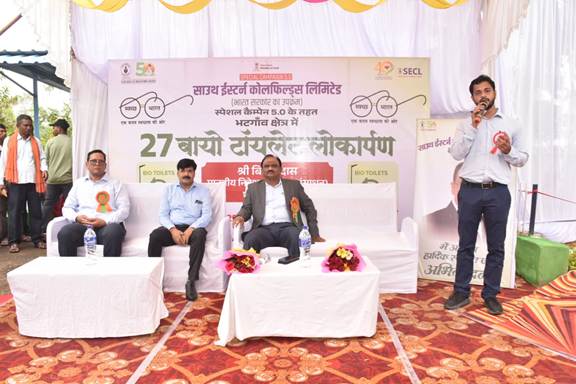
Focus on Women Workers and Inclusive Workplaces
A standout aspect of this project is its attention to female staff in the mining sector. Women make up a growing portion of the SECL workforce, handling roles from equipment operation to administrative duties in the fields. Earlier, limited private facilities forced many to travel far or skip needs, affecting their health and confidence. The new bio-toilets, placed near active work zones, offer safe, dignified options that encourage more women to join and stay in these jobs.
SECL leaders highlight how such infrastructure promotes gender balance. Mothers and young professionals now see mining careers as viable, knowing basic needs are met respectfully. Training sessions accompany the installations, teaching usage and upkeep to ensure long-term benefits. Community feedback from nearby villages also shows appreciation, as spillover cleanliness improves local hygiene standards.
Alignment with National Cleanliness Drive
Special Campaign 5.0, running through the entire month of October 2025, comes from the Department of Administrative Reforms and Public Grievances. It urges all government bodies and public firms to tackle clutter, digitize records, and clear backlogs. SECL jumped in with enthusiasm, organizing clean-up drives, e-file conversions, and grievance redressal alongside the toilet project.
Employees across levels participated in weeding out old papers, planting trees, and painting facility walls. These combined actions create a ripple effect, motivating neighboring contractors and suppliers to adopt similar green practices. SECL’s top management views this as a model for responsible coal extraction, balancing production with people-centric development.
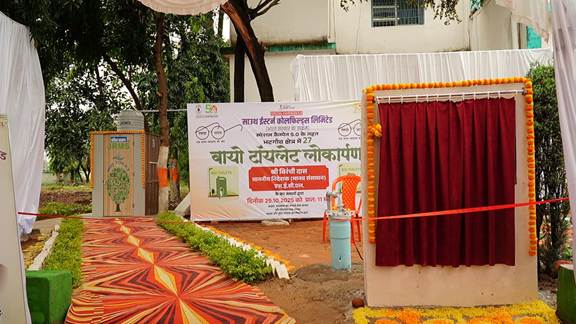
Long-Term Vision for Sustainable Coalfields
Looking ahead, SECL plans to expand bio-toilet networks to more areas based on employee surveys and site audits. Partnerships with technology providers will introduce advanced microbial cultures for even better efficiency. The company also eyes solar-powered lighting around these units to enhance night-time safety.
This initiative underscores a shift in how mining giants operate in India. Profit remains key, but so does the well-being of thousands of families dependent on these jobs. Cleaner sites attract talent, reduce regulatory fines, and build goodwill with local authorities. As coal demand persists for energy needs, such steps ensure the industry evolves without harming the ecosystem or its human backbone.
In essence, the 43 bio-toilets mark a small yet impactful chapter in SECL’s journey toward modern, humane mining. Workers in Sohagpur and Bhatgaon now enjoy facilities that respect their dignity while safeguarding the land they work on. Initiatives like these prove that industrial progress and environmental care can go hand in hand.