
The Department of Legal Affairs has just wrapped up a month-long nationwide effort that turned every corner of its operations into a hub of cleanliness and smart governance. Running through the entire month of October 2025, this initiative brought together offices, officers, and legal counsels from every state to push for better workspaces and faster processes.
How the Campaign Reached Every Corner of India
From the main secretariat in Delhi to branch offices in Bengaluru, Chennai, Kolkata, and Mumbai, the drive covered every unit under the department. Even the Central Agency Section, Law Commission, Indian Law Institute, and all benches of the Income Tax Appellate Tribunal joined in. Litigation teams at the Delhi High Court and lower courts in Tis Hazari also rolled up their sleeves.
Law officers and panel advocates working across the country led local cleaning teams. Whether in Chandigarh, Patna, Jabalpur, or Kochi, every office ran drives to clear clutter, organise files, and dispose of electronic waste properly. The result was a visible shift in how government legal offices look and function.
Daily Checks and Real-Time Tracking Kept Everyone on Track
Teams updated progress every day on a central portal. This close watch helped the department meet all twelve goals set by the administrative reforms body. These goals ranged from basic cleaning and beautifying spaces to clearing pending work and simplifying rules inside the office.
Eight Smart Moves That Stood Out
Several offices came up with ideas that others can follow. Here are the highlights that made this campaign different from routine cleaning drives.
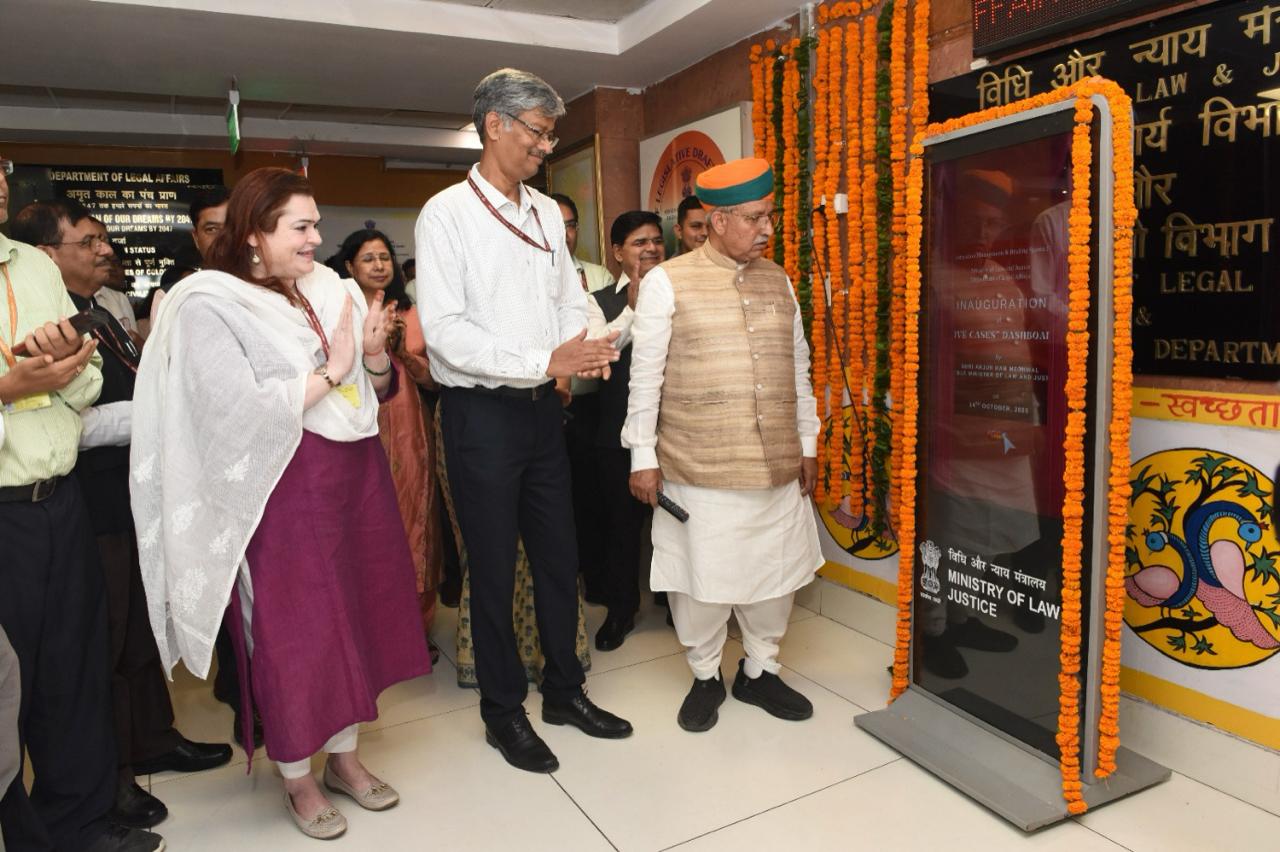
1. New Dashboard for Live Court Cases
The minister launched a digital screen that shows details of more than 723,000 ongoing court cases from 53 ministries. Anyone with access can now see the status in real time, making it easier to track and manage government litigation.
2. Paperless Payment for Lawyers
By linking the legal case management system with the finance payment platform, the department removed the need for paper bills. Advocate fees now move electronically, cutting delays and reducing errors.
3. Top Leaders Walk the Talk
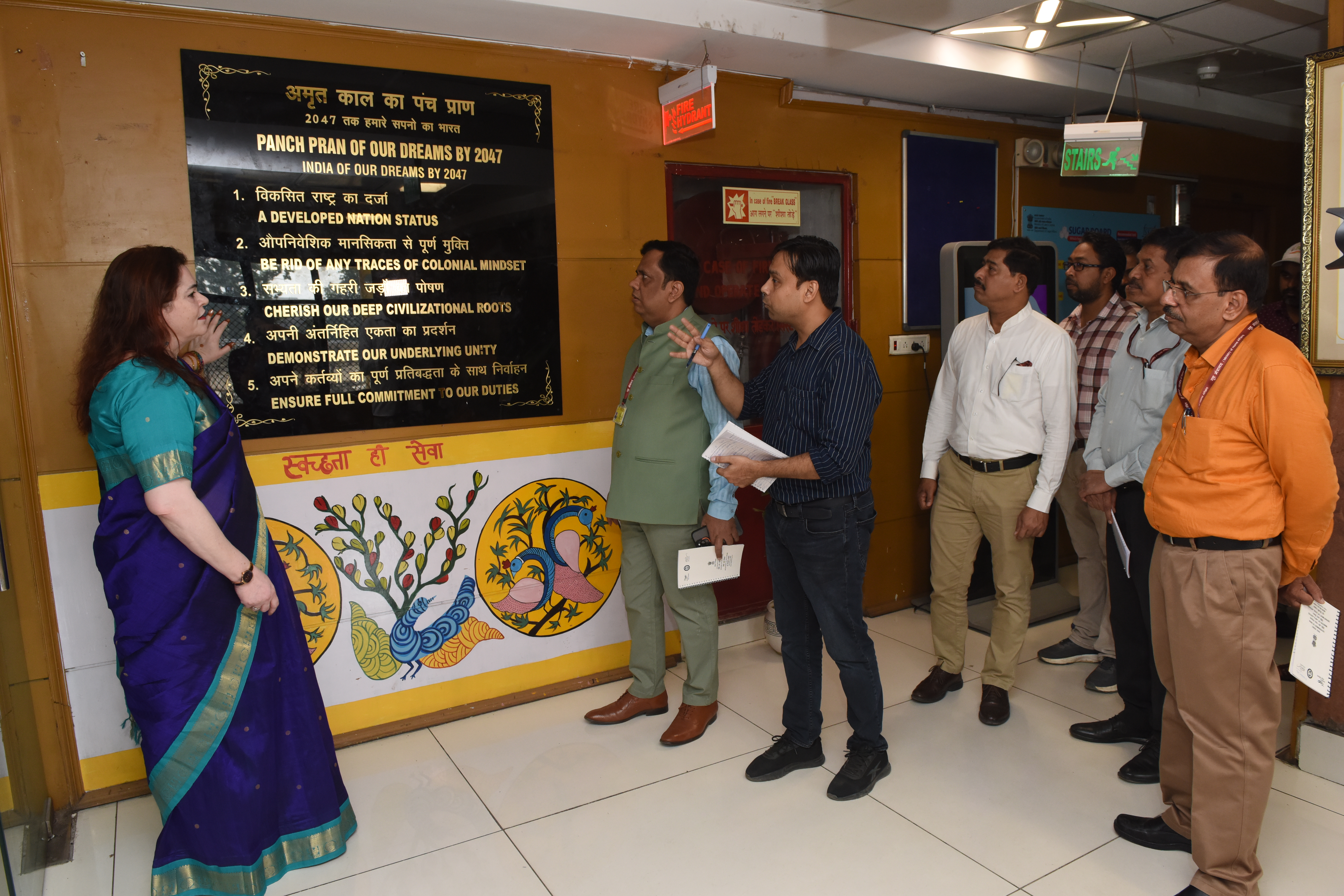
The Union Minister of State for Law and Justice, Arjun Ram Meghwal, along with the Law Secretary, Dr Anju Rathi Rana, visited offices and record rooms themselves. Their presence sent a clear message that cleanliness and order start at the top.
4. Walls That Inspire National Goals
Two walls inside Shastri Bhawan now carry the five national pledges for India at 2047. The display ties daily cleaning work to larger dreams of a developed nation.
5. Full Training Under Citizen Service Programme
Every officer in the department completed training on public service values. The Law Secretary, a certified trainer, conducted sessions to build a service-first mindset.
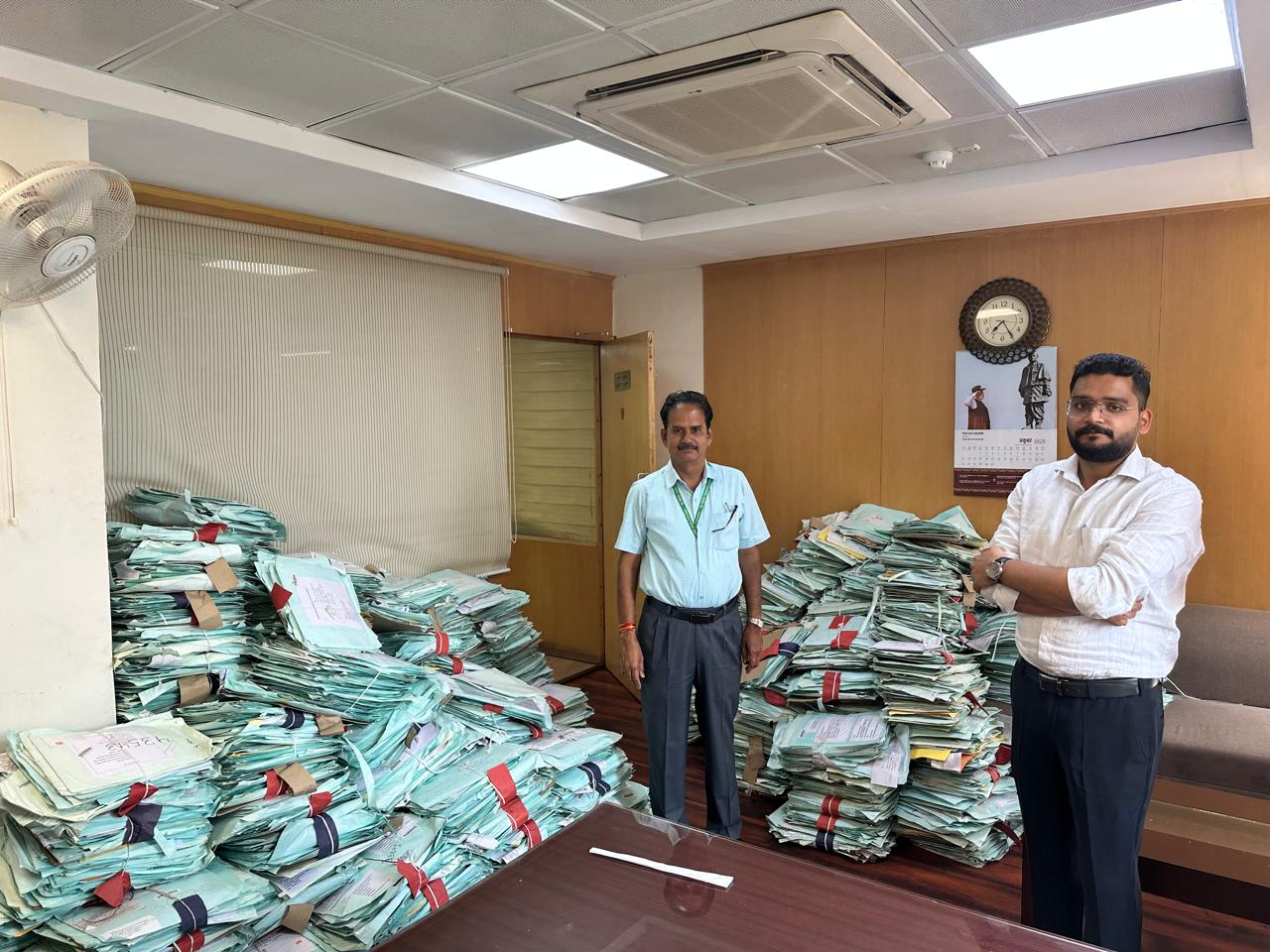
6. Massive File Clean-Up and Digitisation
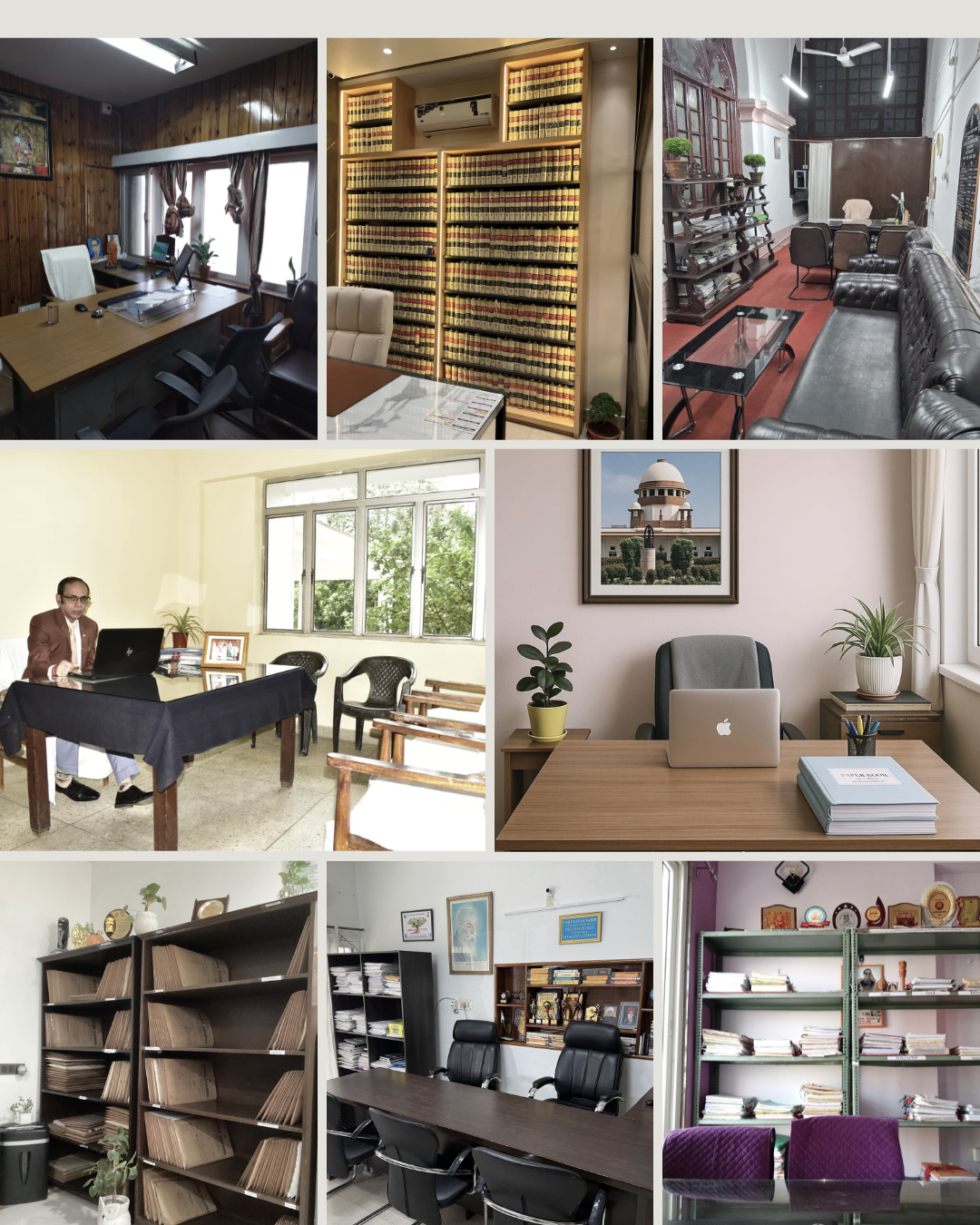
Staff reviewed over 60,000 files and removed outdated ones as per record-keeping rules. This freed up nearly 12,000 square feet of space. Remaining files were scanned and stored digitally for quick access.
7. Proper Disposal of Old Equipment
Auction platforms handled more than 200 outdated computers and gadgets through certified recyclers. Old furniture also found new homes or was disposed of responsibly, leaving offices leaner and greener.
8. Local Drives by Legal Teams
Counsels in courts across states organised cleaning events, rearranged record rooms, and planted saplings. These small actions added up to a big national impact.
What the Numbers Say
The department did not just talk about change; it delivered results. Space reclaimed, files digitised, payments streamlined, and training completed for the entire staff show that a focused month can reset years of backlog.
Offices that once struggled with piled-up papers now run smoother. Officers spend less time hunting for files and more time serving citizens. The campaign proved that cleanliness is not a one-day event but a habit that boosts efficiency.
Lessons for Other Government Wings
Other ministries can copy the daily upload system, leadership visits, and digital dashboards. When senior officers inspect and teams report progress publicly, accountability rises naturally. Linking cleaning with skill training also keeps the momentum going after the campaign ends.
The Legal Affairs Department has set a working model for Viksit Bharat. Clean offices, clear processes, and committed staff are the building blocks of a modern administration that puts citizens first.