Cross-Border Collaboration Strengthens River Dee Conservation
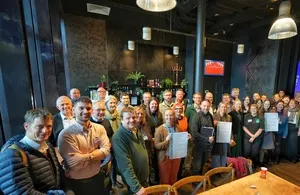
Environmental agencies and conservation organisations from England and Wales have joined forces to enhance the recovery of the River Dee, a vital cross-border waterway flowing from the mountains of Eryri (Snowdonia) through North Wales and Cheshire to the Dee Estuary. The collaboration aims to improve water quality, restore habitats, and build resilience against climate change.
The joint initiative involves Natural England, the Welsh Dee Trust, the Environment Agency, Natural Resources Wales, Cheshire Wildlife Trust, North Wales Wildlife Trust, the LIFE Dee River Project, United Utilities, Severn Trent, and Welsh Water/Dŵr Cymru. The agencies met during the Dee Conference held on 21 October at Storyhouse, Chester, to coordinate conservation actions across administrative boundaries.
Lucy Abram, Deputy Director for Cheshire to Lancashire at Natural England, said that a connected network of habitats across the Dee catchment is essential for the recovery of biodiversity and the long-term well-being of local communities. She added that cross-border cooperation is key to achieving meaningful ecological improvements.
Mark Easedale, Area Environment Manager for the Environment Agency, highlighted that joint efforts will reduce flood risks and enhance water quality, while Joel Rees-Jones of the LIFE Dee River Project noted significant progress achieved through collaborative habitat restoration. One major success was the removal of Erbistock Weir in Wales, the largest weir removal in the country’s history, reopening migration routes for fish after two centuries.
The River Dee supports crucial wildlife such as wild Atlantic salmon, otters, freshwater pearl mussels, and overwintering birds. The estuary remains one of the UK’s most important ecosystems for saltmarsh and mudflat habitats. Continued joint conservation efforts are expected to further improve the ecological health of the river system from its mountain source to the sea.
Military Driving Examiners Deployed to Reduce UK Test Backlog
The United Kingdom government has announced decisive steps to address long waiting times for driving tests by deploying military driving examiners across England. Under a new partnership between the Department for Transport and the Ministry of Defence, 36 Defence Driving Examiners (DDEs) will conduct civilian driving tests one day a week for a year, delivering up to 6,500 additional tests at high-demand centres.
Transport Secretary Heidi Alexander said that the initiative is part of a wider plan to provide equal and fair access to driving tests and help learners get on the road faster. The new arrangement will supplement civilian examiner capacity and support both car and vocational testing for lorry and bus drivers as needed.
The Minister for the Armed Forces, Al Carns, authorised the deployment, noting that military and civilian examiners within the Defence sector have consistently demonstrated readiness to assist the nation when required. He emphasised that this cooperation would have no negative impact on military operations and would help sustain examiners’ professional skills.
In addition to military involvement, the government has introduced stricter booking policies to prevent unfair practices. Learner drivers will now be limited to two test rearrangements and will only be able to book their own tests, ending the practice of third-party reselling at inflated prices. The fee will remain at £62 on weekdays and £75 on weekends and bank holidays.
Steve Gooding, Director of the RAC Foundation, welcomed the measures, noting that they would help deter resellers and restore fairness in test availability. The government expects these reforms, combined with expanded examiner training, to restore pre-pandemic waiting times and improve access, particularly in rural areas where driving licences are crucial for employment and education.