ICAR addresses concerns on evaluation of gene-edited rice lines Pusa DST-1 and DRR Dhan 100 Kamala
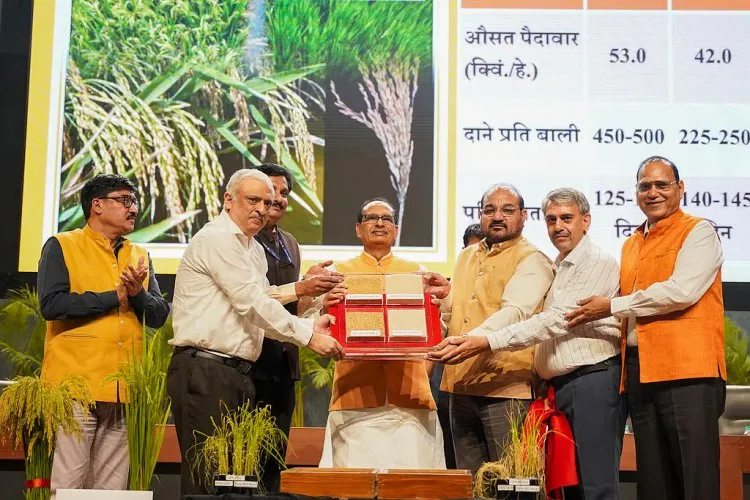
Gene-edited varieties show higher yield and stress tolerance in target performance environments
The Indian Council of Agricultural Research has responded to allegations regarding the assessment of the gene-edited rice varieties Pusa DST-1 and DRR Dhan 100 Kamala, stating that both lines have shown improved yield and stress resilience in their respective performance settings.
AICRPR multi-location trial process
Under the All India Coordinated Research Project on Rice, rice breeders put forward the lines they develop for evaluation at multiple locations. After being received at AICRPR, the lines are blind-coded and forwarded to nearly 100 trial sites across the country for independent field testing and validation over a period of two to three years.
Each year, more than 1,200 breeding lines undergo assessment through this system. The framework has been in place since 1965 and has supported the development and release of over 1,750 rice varieties and hybrids.