
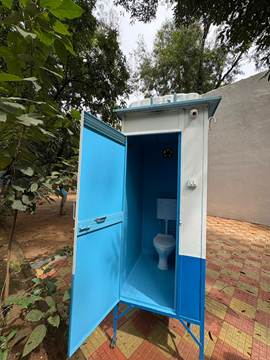
Central Mine Planning and Design Institute has taken a significant step towards better sanitation by setting up six new bio-toilets at its Ranchi campus. These facilities come with built-in bio-digesters and water storage systems, all part of the ongoing Special Campaign 5.0. This move highlights the institute’s dedication to maintaining clean spaces and promoting eco-friendly practices in daily operations.
Why Bio-Toilets Matter for Workplace Sanitation
The new toilets provide reliable and clean options especially for contract staff and visitors. Traditional setups often lead to hygiene issues, but these advanced units change that. They treat waste on-site through natural bacterial processes, eliminating the need for frequent emptying or external sewage connections. This results in fewer odors, lower contamination risks, and overall safer surroundings.
Workers spend long hours on site, and access to proper facilities directly affects their health and morale. With these installations, the institute addresses a basic need that improves daily comfort. Reduced illness from poor sanitation means fewer absences and higher output. It is a practical way to show respect for everyone contributing to the organization’s goals.
Alignment with National Cleanliness Drives
This project fits into larger government initiatives aimed at upgrading public sector hygiene. The Swachh Bharat mission continues to push for widespread adoption of sustainable solutions across offices and institutions. Special Campaign 5.0 builds on this by encouraging departments to implement quick, impactful changes. By participating, the institute not only meets targets but also sets an example for other units under the Ministry of Coal.
Such efforts go beyond immediate benefits. They foster a mindset where cleanliness becomes routine. Employees and contractors alike notice the difference, leading to greater accountability in maintaining shared spaces. Over time, these habits contribute to broader environmental goals, like reducing water pollution from untreated waste.
Technical Advantages of the New Facilities
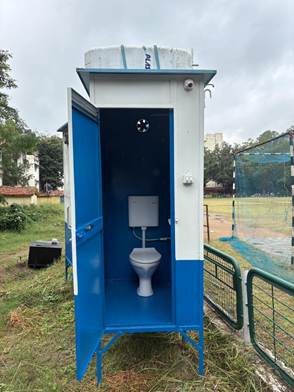
Each bio-toilet includes a digester tank where anaerobic bacteria break down human waste into harmless byproducts. Water tanks ensure steady supply without relying heavily on municipal lines, which is crucial in areas with inconsistent services. Maintenance stays minimal since the system self-regulates, needing only occasional checks rather than daily interventions.
Water conservation stands out as a key feature. Conventional flush systems use several liters per use, but bio-toilets operate with far less. This efficiency helps in regions facing scarcity and aligns with sustainable resource management. The design also withstands heavy usage, making it suitable for high-traffic workplaces like mining planning offices.
Impact on Daily Operations and Staff Well-being
Contract workers form a vital part of operations at the Ranchi headquarters. Providing them with dignified sanitation options acknowledges their role. Healthier conditions mean less exposure to diseases spread through improper waste handling. In turn, this supports steady productivity, especially in technical and field-related tasks managed by the institute.
The placement of these six units across different locations ensures easy access for all. No one has to walk far or compromise on privacy. Feedback from early users indicates appreciation for the odor-free experience and reliable functionality. Such positive responses encourage further investments in similar upgrades.
Broader Implications for Coal Sector Sustainability
As a subsidiary of Coal India Limited, the institute plays a central role in planning and design for mining activities. Incorporating green sanitation reflects a shift towards responsible practices throughout the sector. It demonstrates that even support organizations prioritize environmental care alongside core functions.
Special Campaign 5.0 focuses on efficiency in government workings, and this installation checks multiple boxes. It clears backlog issues related to outdated facilities, introduces modern technology, and promotes resource savings. Other public entities can draw lessons from this straightforward yet effective approach.
Looking ahead, similar projects could expand to regional offices or project sites. Scaling up would amplify benefits, reaching more personnel and communities near mining areas. The current success in Ranchi serves as a blueprint for replication with adjustments for local needs.
Encouraging Community Involvement in Cleanliness
Initiatives like this often inspire surrounding areas. Local vendors and nearby residents see the value in adopting bio-toilet technology for homes or small businesses. Awareness sessions could follow, explaining installation and upkeep. This ripple effect strengthens the national mission’s reach beyond official boundaries.
The institute plans to monitor usage and gather data on water savings and maintenance costs. Sharing these findings internally and with the ministry will inform future policies. Transparency in results builds trust and motivates continued participation in cleanliness drives.
In essence, the addition of these bio-toilets marks a proactive choice for better living standards at work. It combines practicality with long-term vision, ensuring that hygiene remains a priority amid evolving operational demands.