
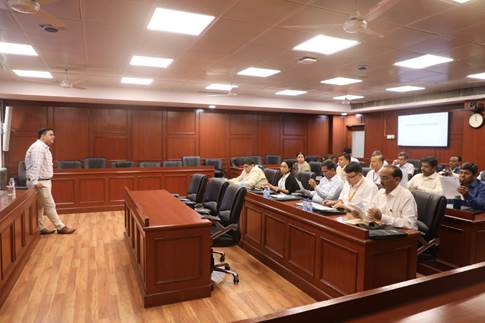
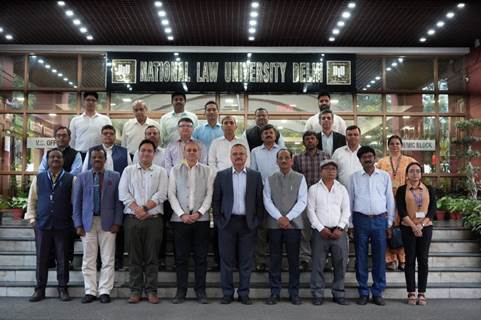
The Department of Financial Services recently conducted an intensive four-day residential workshop for senior officials handling debt recovery operations across India. Held at the prestigious National Law University in Delhi, the initiative focused on strengthening administrative and legal competencies among registrars and assistant registrars of Debt Recovery Tribunals and their appellate bodies.
Comprehensive Curriculum for Modern Debt Recovery Challenges
Running from October 28 to 31, 2025, at NLU’s Dwarka campus in Sector-14, the programme brought together key personnel responsible for the day-to-day functioning of registry operations. The curriculum was carefully designed to address both foundational legal frameworks and practical administrative procedures that directly impact the efficiency of debt recovery mechanisms.
Participants gained deep insights into core legislations governing the sector. Sessions covered the Recovery of Debts and Bankruptcy Act of 1993 and the SARFAESI Act of 2002 in detail, helping officials understand their practical applications in real-world scenarios. The evolving landscape of insolvency resolution under India’s bankruptcy code also formed a crucial part of the discussions, enabling registrars to better navigate complex corporate debt cases.
Administrative Excellence and Governance Standards
Beyond legal knowledge, the training emphasized robust administrative practices essential for smooth tribunal operations. Faculty members delved into service regulations, pay fixation guidelines, and the intricacies of departmental promotion committees. Seniority determination processes were explained with practical examples, ensuring participants could implement fair and transparent policies in their respective tribunals.
Record keeping emerged as another critical focus area. Experts shared best practices in maintaining accurate documentation while adhering to government norms. The programme also addressed conduct rules for central government employees, disciplinary procedures, and the nuances of handling Right to Information requests efficiently.
Technology Integration and Judicial Oversight
A significant portion of the workshop highlighted digital transformation in tribunal operations. The e-DRT initiative received special attention, with demonstrations on how electronic filing and case management systems are revolutionizing debt recovery proceedings. Participants learned about scrutiny protocols that ensure only properly documented cases proceed to hearing stages, reducing delays and improving disposal rates.
The jurisdictional boundaries between tribunals, High Courts, and the Supreme Court were clarified through case studies. This understanding is vital for registrars who often serve as the first point of contact for litigants and need to guide them appropriately within the legal framework.
Procurement and Financial Discipline
Financial management formed an integral component of the training. Sessions on General Financial Rules provided clear guidance on public procurement processes, helping registry heads maintain transparency in expenditure. Faculty stressed the importance of following established guidelines to prevent procedural lapses that could invite scrutiny from audit authorities.
Noting and drafting skills received dedicated focus through interactive exercises. Participants practiced preparing concise yet comprehensive office notes and draft orders, skills that directly influence the quality of tribunal functioning. These practical sessions proved particularly valuable for assistant registrars handling initial case processing.
Participant Feedback and Future Implications
Attendees praised the breadth and depth of topics covered during the four days. Many highlighted how the programme bridged gaps in their understanding of interconnected legal and administrative processes. The residential format facilitated peer learning, with registrars from different regions sharing regional challenges and successful practices.
The collaboration between the Department of Financial Services and National Law University Delhi set a strong precedent for future capacity-building initiatives. Such targeted training programmes play a crucial role in maintaining the effectiveness of India’s debt recovery ecosystem, which handles substantial volumes of banking sector NPAs annually.
For tribunal officials, the workshop provided immediately applicable knowledge that can streamline registry operations and reduce case backlogs. The emphasis on both traditional procedures and modern digital tools ensures that DRTs and DRATs remain equipped to handle evolving financial disputes efficiently.
As India’s financial sector continues to grow in complexity, regular professional development of this nature becomes increasingly important. The success of this programme underscores the government’s commitment to strengthening institutional capabilities at all levels of the debt recovery chain.