Important Facts of the News
- Latvian parliament voted to withdraw from the Istanbul Convention on October 31, 2025.
- The bill awaits the President’s decision to veto or sign it into law.
- If signed, Latvia would be the second country after Türkiye (2021) to leave the treaty and the first EU nation to exit a key Council of Europe human rights agreement.
- The Convention took effect in Latvia in May 2024, after ratification in November 2023.
- Adopted by the Council of Europe on May 11, 2011, it entered force on August 1, 2014.
- It establishes basic standards for preventing, protecting against, prosecuting, and creating policies on violence against women and domestic violence.
- 45 Council of Europe members have signed it; 39 have ratified it.
- The European Union ratified it on June 28, 2023.
Rising Concerns Over Women’s Safety in Latvia
In a move that has sparked widespread alarm, Latvia’s lawmakers have approved a step back from a crucial international agreement aimed at shielding women from harm. This development puts the spotlight on the urgent need for strong safeguards against gender-based abuse and family-related violence.
Experts warn that pulling out of this pact could weaken defences for females and young girls across the nation, along with anyone enduring abuse at home. It risks signalling to wrongdoers that their actions might go unchecked, heightening dangers for those most at risk.
The push behind this choice stems from influential voices pushing false narratives about the agreement. These claims often twist its goals to undermine efforts for equal treatment based on gender, as well as rights for women and the LGBTI community.
Call for Presidential Action
Amid the tension, there is a strong plea for the Latvian leader to step in decisively. By blocking this withdrawal, he could uphold commitments to the treaty and push forward steps to put its rules into practice fully. This would mean better ways to stop violence rooted in gender and within households.
With ongoing resistance to such protections, the moment calls for united efforts to push back against threats to women’s standing and fairness in treatment across Latvia and the wider European landscape.
Understanding the Istanbul Convention’s Role
This landmark deal stands as Europe’s first dedicated effort to tackle violence targeting women and issues in domestic settings. By laying down clear benchmarks, it guides nations in building systems that not only respond to incidents but also work to prevent them through joined-up strategies.
Latvia joined this framework just last year, making its potential departure all the more striking. As the only EU member facing this crossroads, the outcome could ripple through regional commitments to human dignity and safety.
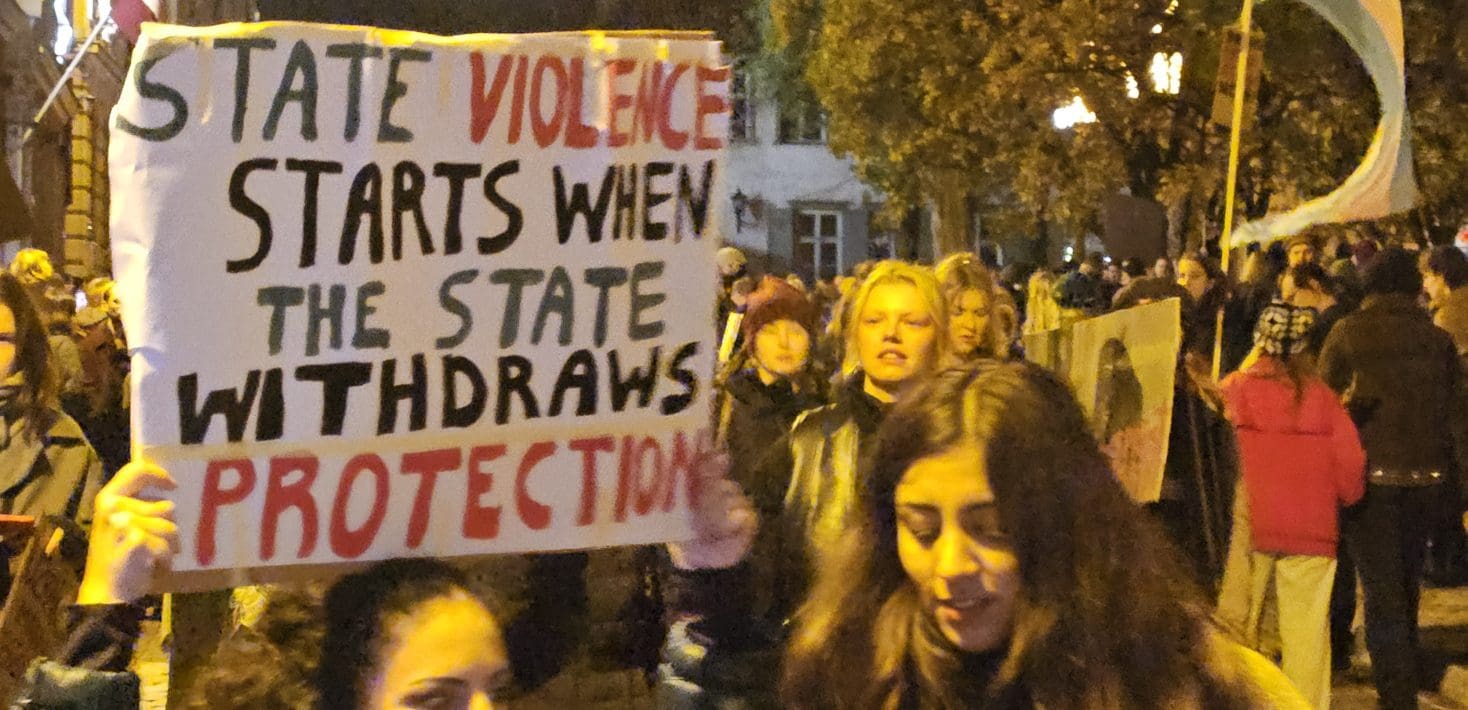
Protests in the capital Riga highlight the public mood, with demonstrators voicing fears that stepping away from these standards invites more state neglect in protecting the vulnerable. Signs at rallies underscore how such moves could fuel further harm under official watch.
Broader European Context
Latvia’s situation echoes a rare but troubling precedent set by Türkiye’s exit four years ago, which drew sharp global criticism. Yet with broad backing—nearly all Council of Europe countries on board—the treaty remains a cornerstone for progress.
The EU’s own endorsement last year reinforces its value, urging members like Latvia to stay the course. As the President’s choice looms, advocates hope for a stand that prioritizes lives over misleading campaigns.