ILO Completes Advanced Training to Strengthen Employment Services in Iraq’s Kurdistan Region and Ninewa
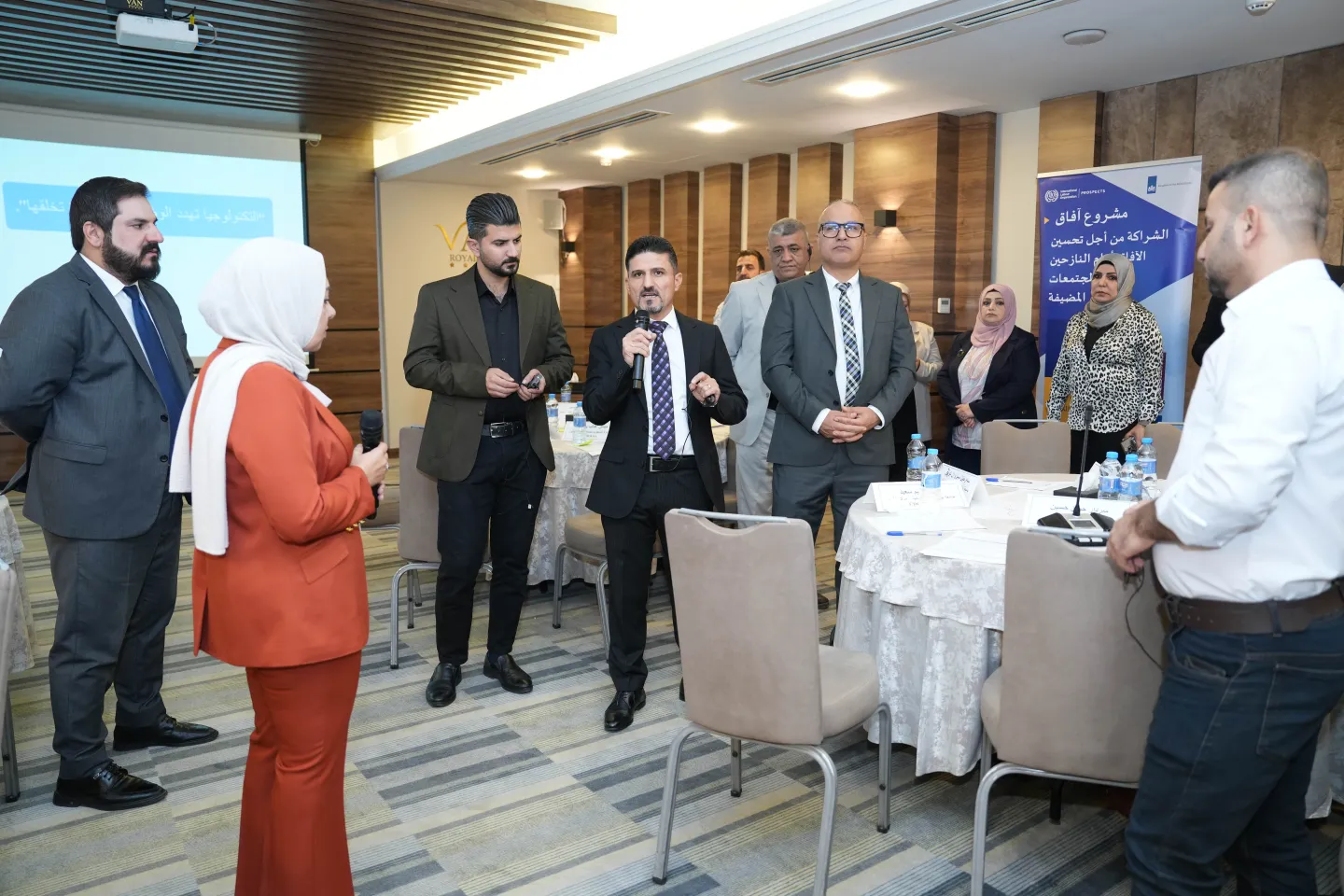
The International Labour Organization has completed the final phase of an advanced training initiative designed to reinforce Public Employment Services and improve employer engagement and labour-market intermediation across the Kurdistan Region of Iraq and the Ninewa province.
Training Brings Together Employment Institutions and Private-Sector Representatives
The second and final workshop in the programme brought together more than 45 participants. These included employment counsellors from the Ministry of Labour and Social Affairs (MoLSA) Public Employment Services offices in the Kurdistan Region and Ninewa, teams from university-based Career Development Centres, and employer representatives from the Chambers of Commerce and Industry.
The programme forms part of the ILO’s wider effort to modernize employment services, strengthen labour-market governance, and prepare MoLSA Public Employment Services offices and Career Development Centres to contribute to the implementation of national employment policies and support jobseekers, employers, graduates and other labour-market actors.
Focus on Institutional Strengthening and Enhanced Labour-Market Support
Khalid Al-Sayeg, Deputy Minister of Labour and Social Affairs, noted that ongoing ILO support for the development of national policy frameworks, including the forthcoming Iraq Employment Strategy, is contributing to the creation of stronger institutions capable of delivering employment services aligned with national priorities.
The training introduced advanced tools aimed at strengthening Public Employment Services and Career Development Centres. These tools support recruitment services, employer engagement, coordination and digital service delivery, and address outreach needs while aligning with current labour-market conditions, including the hidden job market.
Employers participating in the workshop also shared perspectives on recruitment challenges, skill gaps and job-readiness expectations, contributing to the development of a roadmap for cooperation between Public Employment Services, Career Development Centres and the private sector.
Workshop Insights and Capacity Building
Mariwan Bagok, Director General of Labour and Social Security at MoLSA in the Kurdistan Region of Iraq, stated that strengthening the capacity of Public Employment Services and university Career Development Centres is important for improving service quality for jobseekers and employers and for preparing institutions to effectively support employment strategies across the region.
During the second part of the training, participants were introduced to the ILO manual How to Support an Employer?, which highlights the significance of strong connections between Public Employment Services and employers to improve job matching and workforce development. The manual provides practical tools designed to help Public Employment Services professionals build durable partnerships with businesses.
This component followed a foundational session held in early November in Erbil, which was based on the ILO handbook How to Support a Job Seeker?. That earlier session focused on the responsibilities of employment counsellors in assisting jobseekers, especially vulnerable groups, as they navigate career transitions. The manual outlines essential competencies, including labour-market analysis, legal awareness, career-guidance methods and interpersonal skills.
Integrated Training to Support National Employment Policies
Igor Bosc, ILO Country Coordinator in Iraq, stated that effective and modern employment services play an important role in improving labour-market intermediation and expanding access to decent work. He added that closer cooperation between Public Employment Services, Career Development Centres and employers is important for creating a more responsive and inclusive employment system that serves young people, women and vulnerable groups across Iraq.
The two workshops form a connected training package intended to reinforce labour-market intermediation and equip institutions to implement Iraq’s employment policies. The skills developed within the programme are aligned with ILO-defined Active Labour Market Policies, which are designed to help individuals find employment, support long-term career planning and ensure that no one is left behind during periods of economic transition.