The Netherlands calls for support package for plastic recyclers in Brussels
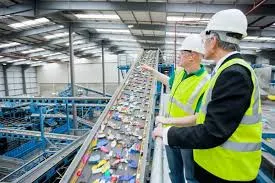
Today, State Secretary Thierry Aartsen (Public Transport and Environment), along with several other Member States, made a clear appeal to Environment Commissioner Jessika Roswall: it is time for the European Commission to take action now to support the European plastic recycling industry.
Why this is necessary
His message: Europe must do what is necessary, even in the short term, because our companies are currently under pressure. If we don’t take action, more companies will go bankrupt.
The Commission has announced the Circular Economy Act, a new circular economy law. This will be released next year and is expected to provide relief for plastic recyclers. But this route takes time.
Dutch and European businesses are already having to compete with cheap virgin plastic that is flooding the market thanks to low oil prices. This is not only unfair, it undermines our circular economy and actually disadvantages the innovative, clean industry that has invested in the future, forcing them to compete with dirt-cheap plastic from outside the EU.
The Netherlands chooses to protect our own industry: it prefers to make new plastic from old PET bottles here, rather than from petroleum or importing questionable plastic from outside Europe.
What the Netherlands wants from Brussels
More mandatory use of recycled plastic and bioplastic for all products sold in the EU. Demand and market creation for innovative, clean companies in the Netherlands and Europe. And rapid implementation of existing agreements for packaging and single-use plastic, among other things. Provide predictable rules so entrepreneurs dare to invest. Think of clear rules about what constitutes waste and what constitutes a raw material when it comes to plastic. And calculation rules for chemical recycling: for example, how can plastic packaging that is chemically recycled be counted as recycled plastic in new packaging? Clear, unambiguous rules are needed for this.
A level playing field: anyone who wants to bring plastic into Europe must meet the same requirements as European companies. No dumping of cheap new plastic on our market.
Broad support for circularity: demand for recycled plastic must increase, and other legislation and financing instruments must also take circular businesses into account, such as the possibility of providing tax incentives for recycled plastics.