Important Facts of the News
- The report is titled Breaking the inequality-pandemic cycle: building true health security in a global age.
- Prepared by economists, public health leaders, and political figures over two years.
- Convened by UNAIDS through the Global Council on Inequality, AIDS and Pandemics.
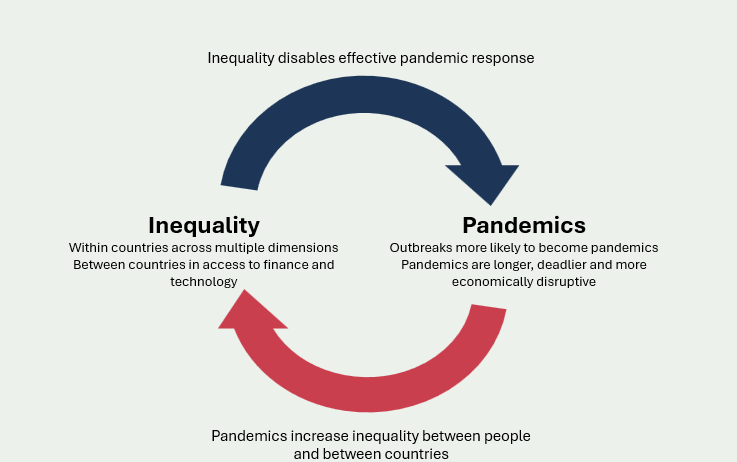
- High inequality is linked with higher pandemic risk, greater mortality and longer recovery periods.
- Pandemics like COVID-19, AIDS, Ebola, Mpox, and Influenza have shown inequality to be a core driver.
- More unequal countries recorded higher COVID-19 mortality and higher HIV/AIDS impact.
- COVID-19 pushed 165 million people into poverty while wealth of the richest grew significantly.
- Low-income countries spent four times less than high-income countries on pandemic response.
- Developing countries currently face around USD 3 trillion in debt pressures.
- The report recommends inequality-focused responses, debt relief, social protection and technology-sharing.
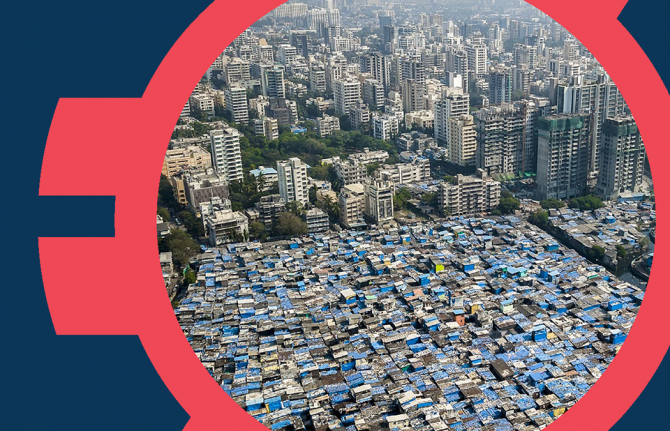
Global Findings Highlight a Reinforcing Cycle
A new report released in Johannesburg ahead of G20 discussions concludes that rising inequality is making the world more exposed to pandemics and less able to respond effectively. The document shows a repeated cycle where inequality increases the chance of disease outbreaks turning into global crises, and pandemics in turn deepen social and economic divides. Researchers indicate that this cycle has operated across several health emergencies, including COVID-19, AIDS, Ebola, Influenza and Mpox.
The study draws from economic analysis, public health research and global case studies. It finds that countries with higher inequality experienced more severe COVID-19 impact, including higher death rates and longer disruption. The same pattern is seen with HIV infection and AIDS mortality, particularly in communities lacking secure housing, employment and healthcare access.
Social and Global Inequalities Drive Pandemic Risk
The report outlines how limited education, informal work conditions, overcrowded housing and insufficient social protection worsen pandemic outcomes. Evidence from Brazil and England shows significantly higher COVID-19 mortality among those facing such disadvantages. Meanwhile, unequal global access to vaccines and medicines allowed preventable infections to spread in HIV, COVID-19 and Mpox outbreaks.
The research also highlights that developing nations struggled to fund pandemic responses due to heavy debt burdens and limited fiscal space. During the COVID-19 period, many countries with fewer resources were unable to finance strong public health measures or protective social support, worsening the long-term effects.
Four Key Recommendations to Break the Cycle
1. Ease Debt and Expand Fiscal Capacity
Urgent temporary suspension of debt repayments for distressed nations and creating standby pandemic financing mechanisms to ensure countries can invest in health and social support systems.
2. Strengthen Social Protection Systems
Governments are encouraged to increase social protection coverage, particularly during health crises, to reduce vulnerability and make societies more resilient.
3. Support Local Production and Technology Sharing
The report calls for regional medical production capacity and automatic waivers on intellectual property for essential pandemic technologies when a global emergency is declared.
4. Invest in Community-Led Response Mechanisms
Collaboration between governments, health sectors and community-led organizations is recommended to improve trust, outreach and equity in response strategies.
The report arrives as South Africa leads G20 discussions focused on solidarity, equality and sustainability, emphasizing the need for global cooperation to achieve lasting pandemic security.