First Rail Fare Freeze in 30 Years Announced to Reduce Cost of Living
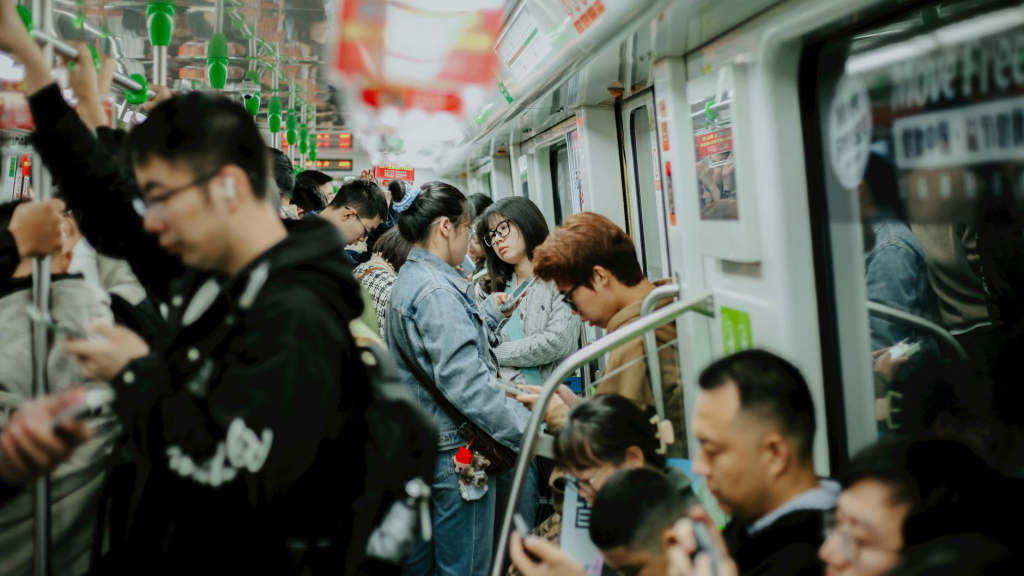
Millions of commuters across the country will benefit from a freeze on rail fares for the first time in 30 years, the Chancellor and Transport Secretary announced today. The measure is intended to help with the cost of living and support economic growth.
The Chancellor is set to implement the freeze at the upcoming Budget, ensuring that passengers will not face any increases on season tickets, peak returns for commuters, and off-peak returns between major cities. Commuters on some of the busiest routes are expected to save hundreds of pounds per year, with savings exceeding £300 for those travelling on the more expensive routes.
The move aims to maintain household costs, support growth in town centres, and directly limit inflation by holding down a significant component of everyday expenses. Transport costs account for 14% of household spending, making this intervention a direct relief for working families.
Impact on Commuters
Examples of savings for typical commuters using flexi-season tickets three days a week include:
- £315 per year for travel from Milton Keynes to London
- £173 per year for travel from Woking to London
- £57 per year for travel from Bradford to Leeds
The freeze will apply to all regulated fares, benefiting more than a billion passenger journeys across England.
Great British Railways Initiative
The Railways Bill will establish Great British Railways (GBR), a publicly owned company responsible for managing tracks and trains. GBR aims to end years of fragmentation, raise passenger standards, and provide better value for money. The company will introduce modern ticketing systems, including tap in tap out and digital ticketing, supported by a new website and app, as well as expand Pay As You Go and fare trial schemes.
Statements from Officials
Chancellor of the Exchequer Rachel Reeves said that the Budget will present fair choices to address the country’s priorities, including cutting NHS waiting lists, reducing national debt, and lowering the cost of living. She stated that freezing rail fares will ease household financial pressures and make commuting easier.
Transport Secretary Heidi Alexander stated that freezing fares will help millions of passengers save money, particularly those on more expensive routes. She added that the measure is part of a wider plan to rebuild Great British Railways into a public service that passengers can rely on and be proud of.
Industry Response
Ben Plowden, CEO of Campaign for Better Transport, welcomed the fare freeze, highlighting that cost is a major concern for train travellers. He noted that freezing fares will support households, encourage more people to choose rail travel, reduce road traffic, benefit the economy, protect the environment, and connect communities.
One of the government’s six objectives for the reformed railways is affordability. The planned implementation of Great British Railways and the fare freeze indicate that making rail travel affordable is a high priority for the government.