
The recent national conversation among district leaders has taken another step forward in improving how rural areas manage drinking water. This gathering, known as the District Collectors’ Peyjal Samvad, brought together administrators from various parts of India to discuss ways to make water sources last longer and build stronger rules for protection. Held online, it connected more than 800 people, including top officials and state teams, all working under the Jal Jeevan Mission.
This initiative continues from an earlier session that stressed using digital methods and local responsibility. Now, the focus has shifted to keeping water sources reliable through smart planning and teamwork with other government programs. Leaders emphasized that decisions must rely on solid data and involve communities directly.
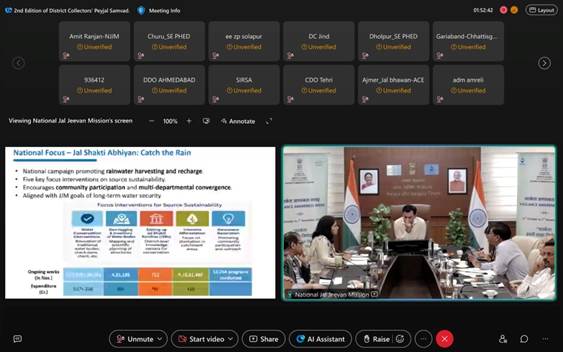
Key Directions for Future Water Management
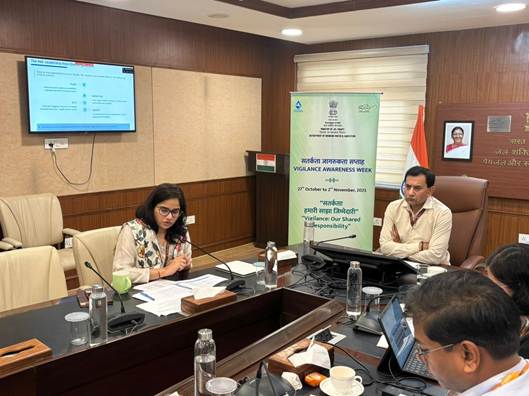
During the opening, the mission’s additional secretary praised district officers for putting past ideas into action. He highlighted two main areas for upcoming efforts. First, linking water projects with rural employment schemes to fund activities like recharging groundwater and protecting sources. A recent official notice requires setting aside funds specifically for these tasks.
Second, creating protected areas around drinking water spots. This includes regular checks, patrols, and giving local water committees more power to watch over and report issues. The goal is to prevent problems before they start and ensure water keeps flowing without interruptions.
District leaders play a central role in this, as they coordinate everything at the ground level. Their involvement helps turn national goals into real changes in villages.
Introducing a New Tool for Planning
One of the highlights was a new digital system designed to help states plan water sources wisely. This tool combines information on land features, weather patterns, and maps to spot areas needing recharge. It shows where groundwater is at risk and suggests suitable structures for collecting rainwater.
The system allows marking exact locations of water points and preparing detailed action plans for each district. It tracks progress in real time and links with other national platforms for better overall coordination. By using this, areas can move from just building pipes to maintaining steady supply over years.
Experts explained how the tool calculates how much artificial recharge is needed and provides a step-by-step guide for decisions. States shared their thoughts to improve it further before full rollout.
Success Stories from Across India
Several district magistrates shared their practical experiences, showing how local innovations make a big difference. These examples inspire others to adapt similar ideas.
Maharashtra’s Remote Area Triumph
In a district facing tough terrain and security challenges, officials combined large pipeline projects with small solar-powered units. This raised household connections from under ten percent to over ninety percent. They introduced a special dual-pump setup using solar energy to keep water flowing even in far-off villages.
To secure sources for the future, they are testing a unique honeycomb method for harvesting rain, which helps refill underground reserves. Women in the area now handle testing water quality with simple kits, building trust and quick responses to any concerns. One village story stood out, where community involvement and renewable power turned a difficult situation into reliable access.
Himachal Pradesh’s Full Coverage Model
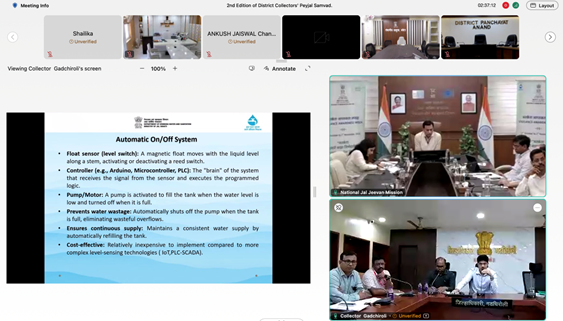
Another hilly district achieved tap water in every home across all its village councils. Strong oversight teams and trained local helpers monitor schemes daily. They use a simple messaging group for residents to report issues, along with regular checks every few months. Women testers ensure purity standards are met promptly.
Gujarat’s Women-Led Initiative
A tribal area in Gujarat reached complete connection coverage by empowering women groups to lead water committees. A state program rewards these groups with funds based on how well they maintain systems and collect fees. This ties in with employment works and expert community guidance for lasting results.
Jammu and Kashmir’s Challenging Transformation
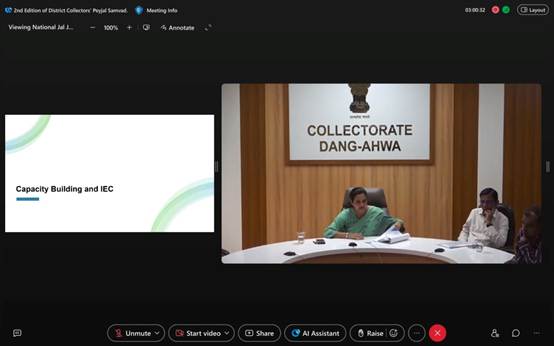
In a region with high aspirations for development, what started as reliance on tankers has become self-sufficient villages. Extensive pipelines, treatment plants, and storage tanks now serve thousands. Despite material shortages and rough land, ongoing checks and alternative tank materials kept progress steady.
A major scheme benefits dozens of villages with clean, standard-compliant water from a large filtration unit. Local bodies work together across departments to maintain supply and protect sources, boosting resident trust.
A short video from one area showed how home taps have eased burdens, especially for women and kids, adding convenience and respect to daily routines.
Jharkhand’s Empowerment Approach
Using rivers as main supplies, this industrial district focuses on surface water plans with solid upkeep rules. Trained women volunteers manage operations, testing, and finances, promoting openness. An online portal handles payments and oversight. They plan to recognize these volunteers with awards for their contributions.
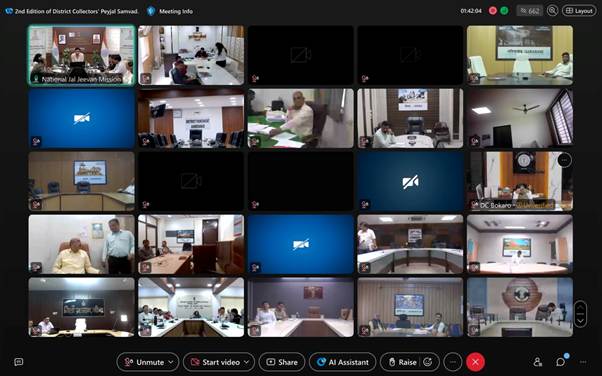
These district efforts highlight involving people, using technology, and local control as foundations for ongoing rural water success. Officials noted how such models align with broader aims of participation and sustainability.
Building a Platform for Ongoing Learning
The District Collectors’ Peyjal Samvad acts as a country-wide space for sharing real-world tips among those running the mission on the ground. It encourages learning from each other to push toward secure water for all villages in the long run.
With over eighty percent of rural homes now having taps, the challenge lies in keeping them functional. Most supply still comes from underground, making protection vital. Past high-level meetings reinforced commitments to science-based, community-driven strategies.
As India advances its water goals, events like this strengthen leadership at district and village levels. They ensure policies translate into tangible benefits, securing drinking water for generations.
The conversation continues to evolve, adapting to new needs and innovations. Staying connected through such dialogues will help overcome remaining hurdles and achieve full, lasting coverage nationwide.