
India stands at the threshold of becoming the world’s leading supplier of skilled maritime professionals. The country’s young workforce, combined with targeted government initiatives, is set to transform the nation into a powerhouse of maritime employment. This vision came into sharp focus during a key session at India Maritime Week 2025 held in Mumbai, where policymakers and industry leaders outlined a roadmap for the future.
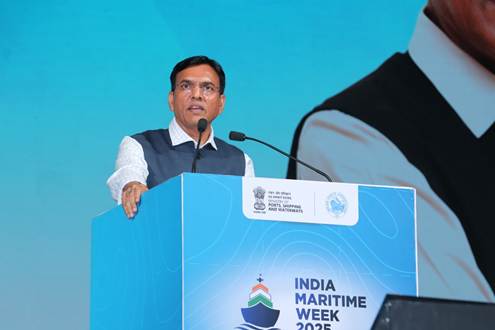
Young India: The Engine of Maritime Growth
At the heart of this transformation is India’s demographic advantage. With over a third of the population under 35, the country possesses an unmatched reservoir of talent ready to take on global challenges. Union Minister Dr. Mansukh Mandaviya, speaking at the Global Maritime Innovation Summit’s human capital track, stressed that true maritime strength comes from people, not just infrastructure.
He painted a picture of an industry that goes beyond building vessels to creating life-changing career paths for millions of young Indians. The minister’s message was clear: the next decade belongs to India, and its youth will steer the course toward global maritime leadership.
This approach aligns perfectly with the broader national goal of a developed India by 2047. By drawing on centuries of seafaring heritage while embracing modern technologies, the government aims to reposition India at the center of the global maritime map.
Skilling for Tomorrow’s Oceans
Central to this strategy is the integration of cutting-edge training programs with emerging technologies. Artificial intelligence, automation, digital systems, and sustainable fuels are reshaping maritime operations worldwide. Indian workers must master these tools to remain competitive.
The minister urged training institutes and shipping companies to work hand in hand. This collaboration will ensure that Indian seafarers, engineers, and logistics experts possess skills that meet international standards while addressing local needs.
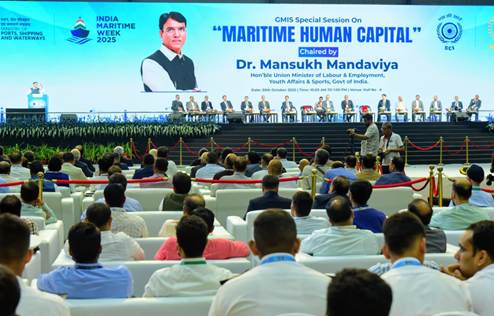
Expanding India’s Global Footprint
Current statistics already show India’s growing influence. Indian seafarers currently make up 12 percent of the global workforce, a figure expected to reach 20 percent by 2030. This growth will come through expanded training facilities and stronger international partnerships.
A major upcoming development is the digital certification platform for Indian seafarers, scheduled for launch in early 2026. This system will streamline documentation, reduce paperwork, and enhance credibility in the global job market.
Two innovative programs were also highlighted. The first promotes greater participation of women in maritime roles, while the second focuses on overall wellness and comprehensive training for those at sea. These initiatives reflect a holistic approach to workforce development.
Breaking Barriers: Women in Maritime Leadership
A highlight of the event was the recognition of pioneering women who have shattered glass ceilings in traditionally male-dominated fields. From ship captains to chief engineers and harbor pilots, these trailblazers received well-deserved acknowledgment for their contributions.
Their achievements serve as powerful examples for the next generation. By creating more inclusive pathways, India is building a maritime sector that reflects the diversity of its population.
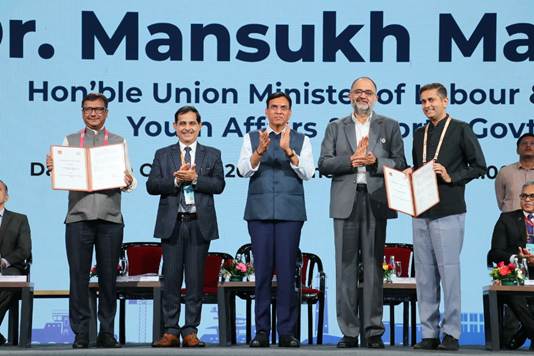
Expert Insights on Future Challenges
The session featured in-depth panel discussions with leaders from across the maritime ecosystem. Representatives from international organizations joined Indian experts to explore critical topics.
Key areas of focus included the evolution of job roles in an increasingly automated industry. Tomorrow’s maritime professionals will need expertise in managing unmanned vessels, navigating complex digital systems, and implementing environmentally friendly practices.
Sustainability emerged as a recurring theme. As global shipping moves toward greener operations, Indian workers must lead in adopting low-emission technologies and circular economy principles.
Talent mobility was another crucial discussion point. With crew shortages affecting shipping worldwide, India’s ability to supply well-trained professionals positions it as a strategic partner for international fleets.
Building Sustainable Careers at Sea
Beyond technical skills, the panels emphasized the importance of adaptability and continuous learning. Maritime careers now span decades, requiring workers to evolve alongside technological advancements.
Mental health and work-life balance also received attention. Long voyages and time away from family remain challenges that the industry must address through better support systems and shore-based opportunities.
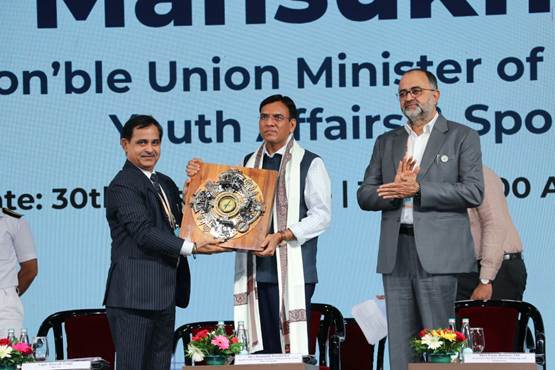
Toward a Viksit Maritime Nation
The Mumbai gathering reinforced a unified commitment to human capital development. Every port expansion, every new shipping route, and every technological upgrade must be matched by corresponding investments in people.
By 2047, India envisions itself not merely as a participant in global maritime trade but as its primary talent provider. This means creating millions of high-quality jobs while maintaining the highest standards of safety, sustainability, and professional excellence.
The path ahead requires coordinated action across government, industry, and educational institutions. Training curricula must stay ahead of industry needs, certification processes must gain universal acceptance, and career progression pathways must remain clear and rewarding.
Success in this endeavor will benefit more than just the maritime sector. It will contribute to national economic growth, enhance India’s global standing, and provide meaningful livelihoods for generations of young Indians.
The message from India Maritime Week 2025 is unmistakable: the future of global shipping will be shaped by Indian talent, trained today for the challenges of tomorrow.