
The Indian judiciary is set for a significant transition as Justice Surya Kant prepares to assume the role of the country’s top judicial officer. This appointment marks a new chapter in the Supreme Court, with the experienced judge stepping into the position on November 24, 2025. His elevation comes after years of dedicated service across various courts, showcasing a career built on legal expertise and public commitment.
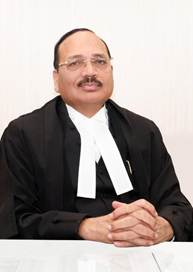
Early Life and Entry into Legal Practice
Justice Surya Kant was born on February 10, 1962, in the small village of Petwar in Hisar district, Haryana. Coming from a rural background, he pursued higher education in law and completed his degree from Maharishi Dayanand University in Rohtak in 1984. That same year, he started his professional journey by practicing at the local district courts in Hisar.
Within a short time, he moved to the Punjab and Haryana High Court in Chandigarh in 1985. There, he focused on key areas such as constitutional law, service-related disputes, and civil cases. His sharp legal mind and dedication quickly earned him recognition among peers and seniors in the bar.
A Rapid Rise in the Legal Fraternity
By July 7, 2000, Justice Surya Kant achieved a notable milestone when he became the youngest person to serve as Advocate General for Haryana. Along with this role, he was designated as a Senior Advocate, highlighting his standing in the legal community. He continued in this capacity until January 9, 2004, when he was elevated to the bench as a permanent judge of the Punjab and Haryana High Court.
His time on the high court bench was productive. From 2007 to 2011, he contributed to the Governing Body of the National Legal Services Authority, helping shape initiatives for legal aid across the nation. In 2011, he further strengthened his academic credentials by securing a first-class first in his Master’s degree in Law.
Leadership Roles in Higher Judiciary
The judicial career of Justice Surya Kant progressed steadily. On October 5, 2018, he took charge as the Chief Justice of the Himachal Pradesh High Court. This position allowed him to oversee judicial administration in a hill state known for its unique challenges. Less than a year later, on May 24, 2019, he reached the pinnacle of the lower judiciary by being elevated to the Supreme Court of India.
In the apex court, he has handled a wide range of matters over the years. Since May 14, 2025, he has held the important position of Executive Chairman at the National Legal Services Authority. This role involves leading efforts to provide free legal services to underprivileged sections of society. Additionally, he participates in various committees at the Indian Law Institute, contributing to legal research and policy development.
Contributions Through Landmark Decisions
Over four decades in the legal field, Justice Surya Kant has dealt with thousands of cases. His judgments often introduce fresh perspectives on intricate issues. Whether addressing constitutional questions or hearing petitions related to human rights, his approach combines thorough analysis with a sense of fairness.
Many of his rulings have set precedents that influence lower courts and guide future interpretations of law. Colleagues and legal observers note his ability to balance strict adherence to legal principles with an understanding of real-world implications. This blend has earned him respect as a judge who upholds justice while considering societal needs.
What This Appointment Means for the Judiciary
The selection of Justice Surya Kant as the next Chief Justice of India follows established conventions of seniority and merit. As he prepares to lead the Supreme Court, expectations are high for continued emphasis on efficient case disposal and access to justice. His experience in legal aid through NALSA positions him well to address backlog issues and promote alternative dispute resolution mechanisms.
Observers point out that his background from a high court with a heavy caseload will help in managing the Supreme Court’s docket. Furthermore, his involvement in academic and institutional committees suggests a focus on modernizing judicial processes and training programs for younger judges.
With this transition, the judiciary gains a leader who has progressed from district courts to the national stage. His journey reflects the opportunities within the Indian legal system for those who demonstrate consistent excellence. As November 24, 2025, approaches, legal professionals across the country look forward to his tenure at the helm.
Looking Ahead Under New Leadership
The coming years under Justice Surya Kant’s guidance are likely to see initiatives aimed at strengthening public trust in the courts. His prior work indicates a priority on empathy in judicial outcomes, especially in matters affecting marginalized groups. This could lead to expanded outreach programs and better integration of technology in court functioning.
In summary, the appointment of Justice Surya Kant as Chief Justice of India represents continuity with progressive elements. His extensive track record provides a solid foundation for addressing contemporary challenges in the justice delivery system. The legal community awaits his official swearing-in and the directions he will set for the apex court.