
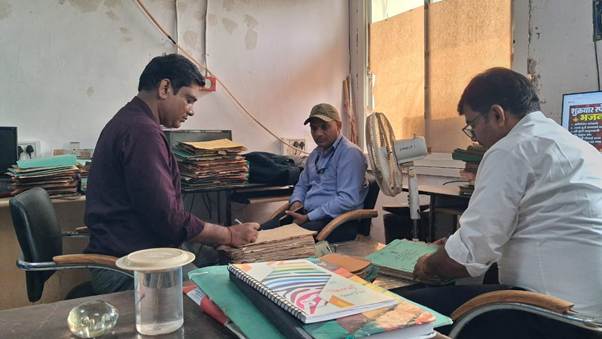
The Legislative Department in the Ministry of Law and Justice has taken a significant step toward better record keeping. On the last two days of October 2025, experts from the National Archives of India visited their record room. They carefully examined and marked 243 files that had crossed the 25-year mark. These documents are now ready to move to the national repository for long-term safekeeping.
Why This Exercise Matters for Governance
Old government files hold valuable information about past decisions, policies, and legal changes. Keeping them in good order helps future researchers, lawyers, and policymakers understand how laws evolved. The current drive, known as Special Campaign 5.0, pushes every office to follow strict rules for sorting, reviewing, and storing records. By doing so, the department shows it values openness and responsibility in handling public documents.
Staff members watched the process closely. They learned the right way to label folders, note dates, and decide what stays in the office and what goes to the archives. Such hands-on training builds a culture where everyone pays attention to paperwork from day one.
A Closer Look at the Two-Day Activity
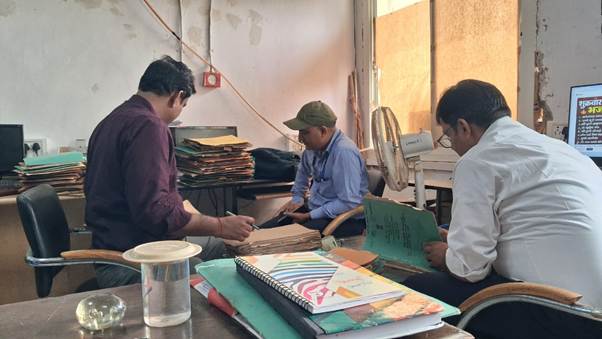
The visiting team arrived early on 30 October and continued their work through 31 October. Each file received individual attention. Experts checked the condition of papers, verified contents against indexes, and applied the official stamp that signals readiness for transfer. In total, they processed 243 files without rushing through any step. This thorough approach prevents loss of important details and protects fragile pages from further damage.
Building a Stronger Record Management System
Many government offices struggle with piles of outdated papers that take up space and create confusion. The ongoing campaign gives clear guidelines to tackle this problem. Departments must identify records older than 25 years, evaluate their historical value, and send worthy ones to the National Archives. The rest face proper disposal after following legal steps.
In the Legislative Department, the exercise cleared physical space in the record room and freed digital storage used for scanning backups. Officers now have quicker access to active files, which speeds up daily work. More importantly, the move strengthens public trust. Citizens can feel confident that evidence of government actions remains safe and available when needed.
Training and Awareness Among Employees
While the experts worked, they explained every action to the department staff. Simple tips like using acid-free folders, writing with permanent ink, and updating indexes became part of the conversation. Young clerks who joined recently found the session eye-opening. They realized that small habits today save big efforts tomorrow.
Senior officers welcomed the interaction. They plan to hold monthly reviews to ensure new files follow the same standards. A checklist will soon appear on every desk, reminding people to fill details accurately. Over time, these small changes will reduce the backlog that builds up in most offices.
What Comes Next After the Appraisal
Once the stamping is complete, the files will travel to the National Archives headquarters. There, trained conservators will clean, repair, and digitize the pages. Digital copies will join the online catalog, making research easier for scholars across the country. Physical copies will rest in climate-controlled rooms that prevent decay.
The Legislative Department has promised to share a report on the transferred files. This transparency encourages other ministries to speed up their own cleanup drives. When more offices join the effort, the entire government machinery runs smoother and leaves a clearer trail for history.
The success of these two days proves that focused action yields quick results. Other departments can copy the model: invite archive experts, set a tight schedule, and involve local staff. With Special Campaign 5.0 still underway, many more record rooms will soon look neater and more organized.
Staying on top of documentation is not just about following rules. It is about honoring the work of past generations and preparing a reliable foundation for the future. The Legislative Department has set a practical example that others can follow without heavy costs or complex technology.