Changing Landscape of a Historic Event
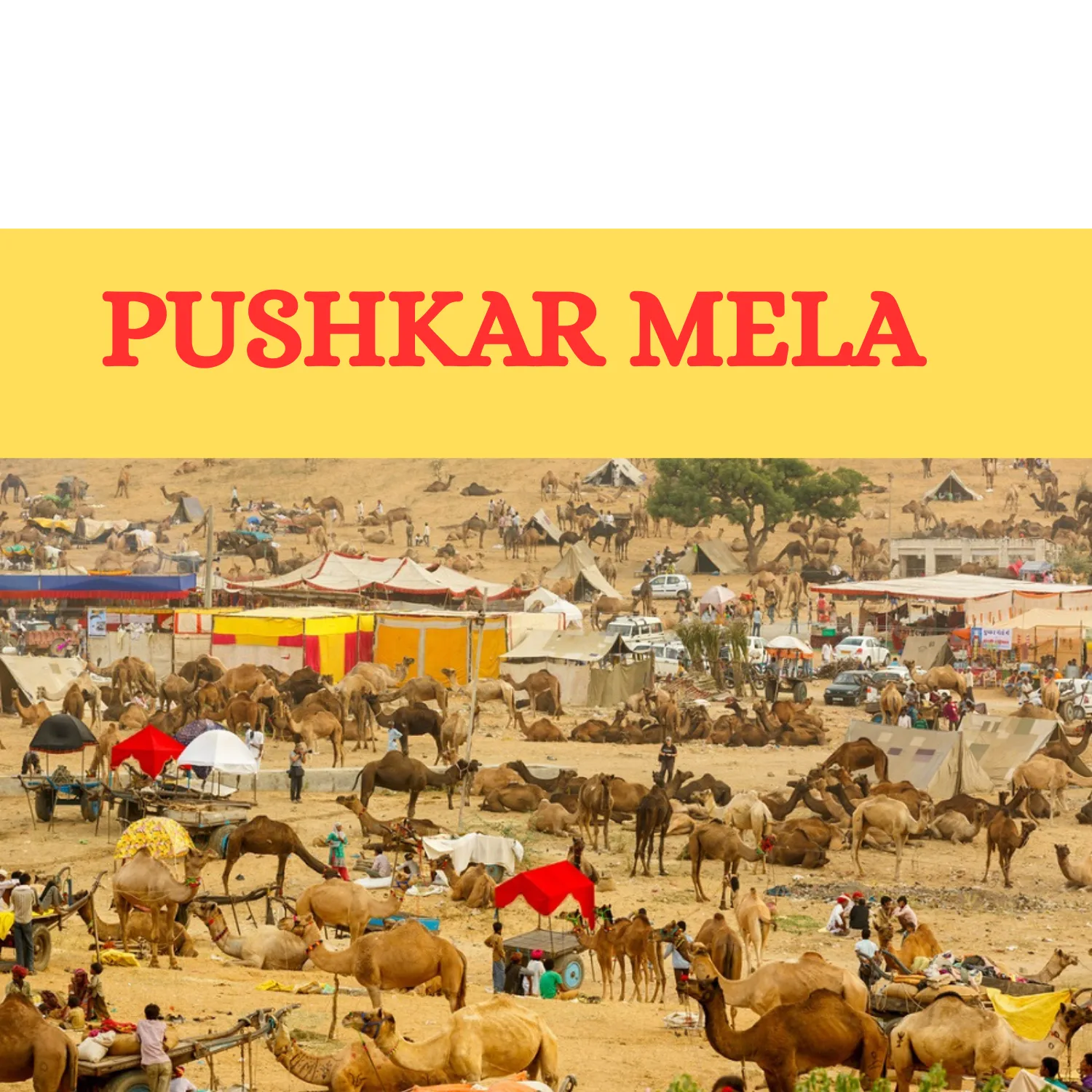
The annual Pushkar Camel Fair, widely regarded as one of the world’s largest camel gatherings, concluded recently in Rajasthan. However, the usual scene of large camel groups appeared reduced this year, as more horses were seen in comparison. Despite the fair’s global reputation as a celebration of camels, visitors noted a declining presence of the animal traditionally considered the cultural symbol of Rajasthan.
Sharp Drop in Camel Population Over the Years
In 1961, a camel census conducted by the central government recorded nearly 10 lakh camels in the country. Today, the population has declined drastically to about 1,85,000. Rajasthan, historically known for the highest camel numbers, has also witnessed a continuous decline. Experts indicate that by 2047, camels in India may move dangerously close to extinction, leaving future generations to learn about them only through books and images.
Reduced Camel Participation at the Fair
This year, the fair hosted around 1,400 camels, while approximately 4,000 horses arrived from different regions. Traditionally, camels have been the central attraction, creating memorable scenes during sunset as long silhouettes moved across the desert. The shift in livestock presence has altered the atmosphere that previously attracted tourists from across the globe.
Government Efforts Toward Camel Conservation
The Rajasthan government declared the camel as the state animal on 19 September 2014. In October 2016, a special camel conservation plan was launched, followed by the introduction of a camel breeder incentive scheme in 2022-23. Under this program, camel breeders received an annual grant of ₹10,000 per camel, which was increased to ₹20,000 in 2024-25. Despite these initiatives, the reduction in camel rearing continues to remain a concern.
Cultural Significance and Tourism Value
The Pushkar Camel Fair is not only a livestock trading gathering but also a vibrant cultural event that showcases folk music, dance, handicrafts and traditional desert life. Tourists from approximately 46 countries visited this year, adding to the estimated five lakh annual international footfall. The fair has historically blended trade, cultural expression and religious faith, contributing to Rajasthan’s cultural identity.
Need for Coordinated Preservation Measures
Observers and local communities believe that to restore the fair’s traditional character, coordinated efforts are needed both at governmental and social levels. The preservation of camels is essential not only for sustaining the fair but also for safeguarding Rajasthan’s cultural heritage. The declining presence of camels has raised widespread concern, prompting renewed attention on conservation measures.