
Maharashtra witnessed an outpouring of national pride as thousands joined grand unity marches to celebrate the 150th birth anniversary of Sardar Vallabhbhai Patel. Union Minister of State for Youth Affairs and Sports, Raksha Nikhil Khadse, took the lead in organizing vibrant Ekta Yatras in Malkapur and Bhusawal, turning the day into a powerful display of togetherness and patriotic spirit.
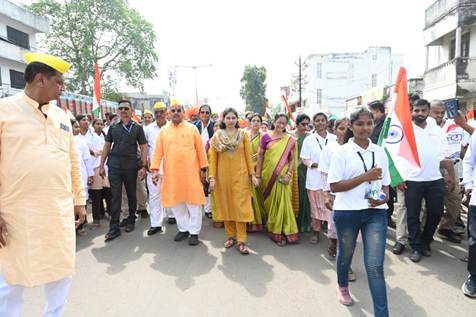
A Morning of Inspiration in Malkapur
The celebrations kicked off in Malkapur, Buldhana district, where local residents, school students, and young volunteers filled the streets with energy. The march drew massive crowds who walked shoulder to shoulder, holding banners that highlighted the importance of national integration. Local leaders joined the event, including Eknath Khadse, a Member of the Legislative Council, and Chainsukh Madanlal Sancheti, the MLA from Malkapur. Senior district officials and youth coordinators were also present, ensuring smooth coordination.
Speaking to the gathered crowd, Raksha Khadse highlighted how Sardar Patel’s determination brought together more than 560 princely states to form modern India. She connected this historic achievement to the current vision of building a developed nation through active public participation. The minister stressed that young people must take center stage in shaping India’s future, echoing the goals of inclusive growth and grassroots leadership.
Key Highlights from Malkapur Ekta Yatra
- Huge turnout of students and NSS volunteers
- Participation from local MLAs and district youth officers
- Emphasis on youth-led initiatives for national development
- Live slogans promoting unity and civic responsibility
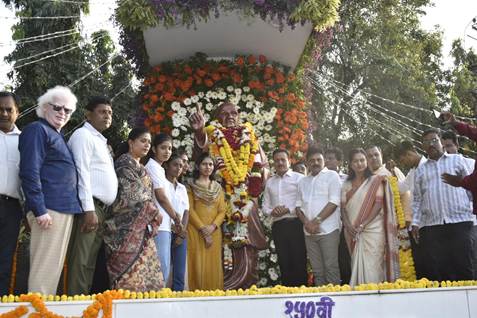
Afternoon Surge of Patriotism in Bhusawal
The momentum continued into the afternoon with an even larger gathering in Bhusawal, Jalgaon district. Streets were packed with participants waving flags and chanting slogans that celebrated India’s strength in diversity. State ministers Girish Mahajan, who handles Water Resources and Disaster Management, and Sanjay Savkare, responsible for Textiles, added weight to the occasion with their presence. District youth officers and administrative officials managed the flow of the massive procession.
Raksha Khadse addressed the Bhusawal crowd, explaining how platforms like My Bharat are transforming into real engines of change. She pointed out that millions of young Indians are now directly involved in development activities through this initiative. The minister called on participants to carry forward the spirit of the unity march into daily life by contributing through community service, creative ideas, and local leadership roles.
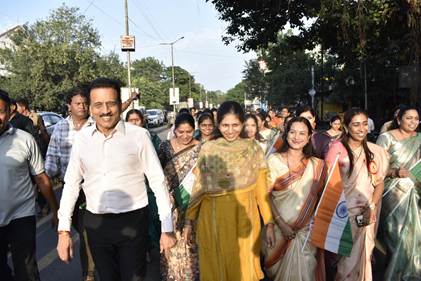
What Made Bhusawal March Stand Out
- Presence of senior Maharashtra cabinet ministers
- Thousands of citizens lining the route in support
- Strong involvement of My Bharat youth volunteers
- Focus on turning patriotic sentiment into action
The Larger National Campaign: Sardar@150
Both events formed part of the nationwide Sardar@150 initiative run by the Ministry of Youth Affairs and Sports through its My Bharat platform. This campaign aims to honor Sardar Patel’s contributions while motivating the current generation to strengthen national unity. The marches in Maharashtra demonstrated how local enthusiasm can align with national goals, creating a ripple effect across communities.
Participants carried messages that went beyond symbolism. They showcased practical ways youth can drive progress, from organizing local clean-up drives to starting skill development programs. The energy on display reflected a growing trend where young Indians see themselves as active builders of the country’s future rather than passive observers.
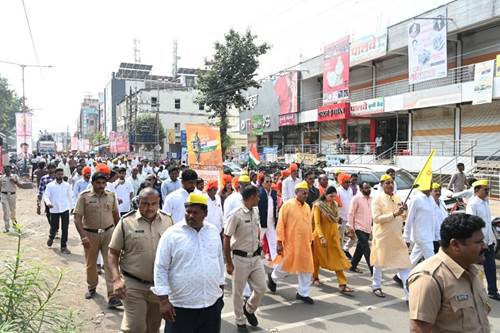
Why These Marches Matter for Maharashtra’s Youth
Events like these serve multiple purposes. First, they educate younger generations about Sardar Patel’s role in unifying India after independence. Second, they provide a platform for youth to connect with government initiatives designed specifically for them. Third, they build networks among students, volunteers, and local leaders who can collaborate on future projects.
In Malkapur and Bhusawal, the turnout proved that patriotic themes still resonate deeply in small towns and rural areas. School children who walked in the marches returned home with a stronger sense of belonging to a larger national story. College students who helped organize logistics gained valuable experience in event management and public coordination.
The My Bharat platform has emerged as a key connector in this process. It brings together young people from different backgrounds to work on common goals. Whether through digital campaigns or on-ground activities, the platform ensures that youth voices influence policy and implementation at the grassroots level.
Looking Ahead: From Marches to Meaningful Action
As the Sardar@150 campaign continues across India, events in Maharashtra set a strong example. They show that celebrating historical figures can go hand in hand with addressing current challenges. By focusing on unity, the marches indirectly tackle issues like regional divisions and social barriers that still affect parts of the country.
Local youth officers report increased interest in My Bharat registration following these events. Students want to know how they can start similar initiatives in their own neighborhoods. This groundswell of interest suggests that the unity marches have achieved more than ceremonial success; they have sparked genuine motivation for long-term involvement.
Maharashtra’s contribution to the national campaign highlights the state’s role in preserving and promoting India’s composite culture. From the Western Ghats to the cotton fields of Vidarbha, the message remains consistent: a united India thrives when its youth lead with purpose and pride.