
The Secretariat of Culture remembers the poet Alfonsina Storni, 87 years since her death, who stood out for her modernist style and her capacity to express profound emotions. She became a seminal figure in Latin American letters.
Early Life, Education, and Literary Debut
Alfonsina Storni was born on May 29, 1892, in the Swiss canton of Capriasca. She arrived in Argentina when she was only four years old, more precisely in the province of San Juan. Her childhood and adolescence were marked by economic difficulties and moves.
At the age of twelve she wrote her first poem. She never abandoned her desire to study and with much effort managed to graduate as a teacher and exercise the profession. In Buenos Aires she was a teacher at the Lavardén Children’s Theater and at the Normal School of Living Languages.
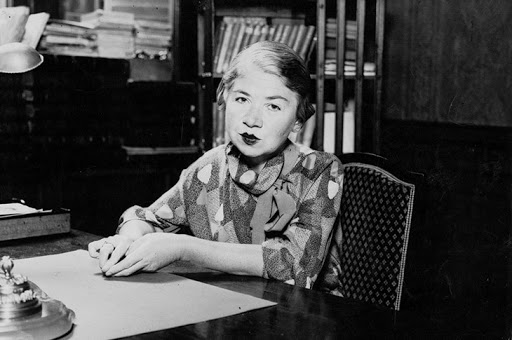
Overcoming Adversity and Early Success
On April 21, 1912, Alejandro, her son, was born. As a single mother, she fought against social prejudices and managed, with much effort, to publish her first book, La inquietud del rosal, in 1916, and little by little to get literary collaborations in publications such as Fray Mocho, El Hogar, and Mundo Argentino.
Literary Evolution and Dramatic Works
In 1918 she published El dulce daño, in 1919 Irremediablemente and, in 1920, Languidez, for which she received the First Municipal Prize for Poetry and the Second National Prize for Literature. With Ocre (1925) and Poemas de amor (1927), she gave a giro to her work, beginning to be more introspective and ironic.
Posteriorly she ventured into dramaturgy and children’s theater. In 1927 she premiered El amo del mundo, at the National Cervantes Theater, and in 1931, Dos farsas pirotécnicas.

Final Days and Enduring Legacy
The Tragedy and the Monument
Alfonsina Storni was dealing with depressive and paranoia episodes. Doctors advised her rest due to an exhaustion crisis, which is why she began to travel to Córdoba and Mar del Plata to rest from the city.
The spread of cancer, physical pains, and the emotional impact on her state of mind forced Alfonsina to make the decision to say goodbye to her son Alejandro, at the Constitución train station. She left a letter for him, a poem to publish in the newspaper *La Nación* and a declaration for the police, asking that no one be blamed for her death.
On October 25, 1938, Alfonsina Storni threw herself from the pier of the Argentine Women’s Club, 500 meters above sea level on La Perla beach, in the city of Mar del Plata. One of her shoes got caught between the iron bars of the pier and thus the precise location of the fall could be known.
The Argentine sculptor Luis Perlotti molded Alfonsina’s figure into a recognized monument in the city of Mar del Plata, located in front of the La Perla spa. Originally, in 1948, the sculpture was at the top of the cliff and the figure was seen with its back to the sea, an error that was corrected years later.
“Voy a dormir” and the Iconic Song
Her last poem, Voy a dormir, inspired Ariel Ramírez and Félix Luna to compose the recognized song Alfonsina y el mar. The poem says thus:
Dientes de flores, cofia de rocío,
manos de hierbas, tú, nodriza fina,
tenme prestas las sábanas terrosas
y el edredón de musgos escardados.Voy a dormir, nodriza mía, acuéstame.
Ponme una lámpara a la cabecera;
una constelación, la que te guste;
todas son buenas, bájala un poquito.Déjame sola: oyes romper los brotes…
te acuna un pie celeste desde arriba
y un pájaro te traza unos compases
para que olvides… Gracias… Ah, un encargo:
si él llama nuevamente por teléfono
le dices que no insista, que he salido.
Alfonsina Storni managed to overcome adversity, working and training tirelessly. She managed to be recognized in a world of men for her writing and her ideas.
Critical Lucidity and Modernist Poetry
Un libro quemado, published in 2016 by Editorial Excursiones, is an anthology of articles published by Storni between 1919 and 1921 in the magazine *La Nota* and the newspaper *La Nación*. The texts surprise with their critical lucidity, above all concerning the role that women had, and are at the same time an irreverent and challenging look for the time.
She participated in the creation of the Argentine Society of Authors. Along with the poets Juana de Ibarbourou, Delmira Agustini (Uruguay) and Gabriela Mistral (Chile) she became a representative of Latin American modernist poetry.
Source Information
Content originally published by: Secretaría de Cultura