
India’s planning think tank just rolled out two fresh studies that dive deep into how services are shaping the country’s money flow and job scene. The top boss at NITI Aayog kicked things off alongside key economic minds from the government. Officials from various states, business groups, and college experts joined in to mark the occasion. These papers stand out as some of the earliest big-picture looks at services through output and workforce angles, breaking things down by states and smaller chunks.
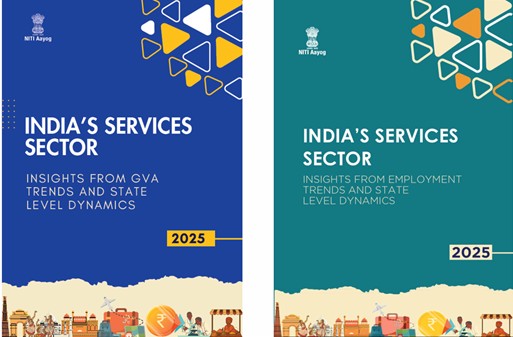
How Services Are Driving Money Growth Across States
The first study checks national and local patterns to see the way services push expansion in different areas. It asks if places starting with smaller service shares are closing the gap with frontrunners. That matters a lot for even progress everywhere.
Services now make up close to 55 percent of the country’s total value added this fiscal year. The good news is that this growth spreads more evenly now. Differences between states in service portions have grown a bit, but slower regions show signs of picking up speed. This catching-up hints that the shift to services touches more corners of India and includes wider areas.
Inside the sectors, the paper suggests putting extra effort into digital setups, transport networks, new ideas, banking, and training workers. These steps can help branch out and stay sharp in the market. For individual states, it advises crafting plans that fit local advantages, building stronger systems, linking services to factories, and growing service groups in cities and nearby zones.
Key Takeaways from the Growth Study
- Services lead India’s economic surge with over half the value added.
- Slower states start to match faster ones in service shares.
- Focus on digital tools and skills to widen opportunities.
- Build local plans around what each state does best.
Think about a state rich in tourism spots. It could pair hotels with tech apps for bookings and local guides. Or a place with many young people might train them for online customer support roles. Small moves like these add up to bigger gains over time.
Employment Patterns in the Services World
The second paper maps out jobs in services from many sides. It covers different fields, men and women, city versus village, education levels, and types of work. Services show two faces. One side has modern parts that compete worldwide and pay well but hire fewer people. The other side takes in lots of workers through old-style setups that stay casual and offer low wages.
Services keep creating most new jobs and helped bounce back after the health crisis. Still, jobs grow unevenly across fields. Many positions lack formal contracts, and pay does not match output rises. Gaps between genders, between town and country, and across regions call for plans that push proper jobs, bring everyone in, and lift output per worker.
Four Steps to Better Jobs in Services
- Bring rules and safety nets to app-based drivers, solo traders, and tiny firms.
- Offer specific training and internet access to women and village youth.
- Pour funds into skills for new tech and eco-friendly work.
- Grow service centers in medium and small towns for even spread.
Picture a young woman in a small town learning to code from home. Or a delivery person getting health cover through their app. These ideas aim to make services a solid path to good work for all.
The study stresses services as a key player in creating worthwhile jobs that fit India’s long-term goal of a developed nation by 2047. States and companies get a roadmap to spark the next growth phase.
Broader Push for a Stronger Services Base
Both papers lay out ways to strengthen digital backbone, grow trained talent, spark creative hubs, and weave services into supply lines. This positions India as a go-to partner in global services.
Take logistics for example. Better roads and tech tracking cut costs for everyone. Or finance tools that reach remote shops. Each upgrade opens doors for more players.
States can spot their edge. Coastal areas might excel in port-related support. Inland spots could focus on data centers with cool climates. Mixing services with making things creates tighter local economies.
Training ties it all. Short courses on digital sales or green building maintenance equip workers fast. Partnerships between colleges and firms ensure skills match needs.
In the end, these reports light the path for services to fuel balanced progress. They urge action now to reap rewards later. From village outlets to city tech parks, services touch daily life and hold huge potential.
As India eyes bigger global roles, a vibrant services setup at home builds the foundation. Policymakers, business heads, and educators have clear pointers to collaborate and innovate.
Focused keyword: niti aayog services sector reports
Meta description: NITI Aayog Services Sector Reports highlight balanced regional growth, employment challenges, and policy paths for inclusive jobs in India