
People living in Surrey are about to see some real improvements in how their local councils work. The old setup with one big county council and eleven smaller district ones is getting a complete overhaul. In its place, two brand new unitary authorities will handle everything from roads to housing under one roof. This shift promises faster choices, clearer responsibility, and services that actually join up to help residents without the usual runaround.
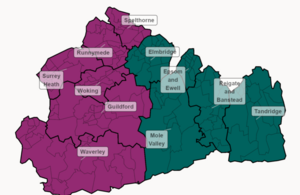
Why Replace Twelve Councils with Just Two?
Right now, anyone in Surrey who needs help with something like planning permission or waste collection might end up calling the wrong office because responsibilities split between the county and district levels. That confusion ends soon. The new structure merges West Surrey and East Surrey councils, covering specific boroughs each. West Surrey includes places like Guildford, Woking, Runnymede, Spelthorne, Surrey Heath, and Waverley. East Surrey takes in Elmbridge, Epsom and Ewell, Mole Valley, Reigate and Banstead, and Tandridge.
By bringing all these areas together, the councils cut out repeated jobs and extra layers of management. Fewer senior posts mean less spending on salaries, and that money can go straight into fixing potholes or supporting families. It also removes those invisible lines on the map that slow down projects. Imagine building new homes: planners, housing teams, and road engineers will sit in the same organisation, making approvals quicker and getting shovels in the ground faster.
Better Everyday Services for Surrey Families
Think about a family with a child who needs special educational support, plus they are waiting for social housing. Under the current system, they bounce between different councils, filling forms again and again. With the new unitary setup, one phone call or online portal handles it all. Early help becomes the norm instead of waiting until problems grow bigger and costlier.
The same logic applies to adult care, mental health support, or young people leaving care homes. Housing plans will match real local needs, whether that means accessible flats for someone with mobility issues or starter homes for care leavers. Waste collection and recycling get a boost too, since one team manages pickup and disposal, cutting landfill trips and encouraging more recycling across the whole area.
Fewer Managers, More Money for Local Priorities
Streamlining means fewer councillors overall and a tighter leadership team. That directly frees up budget. Past examples from other parts of England show how this works. North Yorkshire expects to save over forty million pounds by next spring through similar changes. Buckinghamshire has already banked seventy-five million since 2020 by merging systems and selling off duplicate property. Even smaller areas like North Northamptonshire shaved off seventeen million in three years by smart contract reviews and new IT setups.
Surrey aims for the same kind of efficiency. Trading standards officers can team up with licensing colleagues to stop shops selling vapes or tobacco to kids without doubling efforts. Every pound saved stays local, funding parks, libraries, or preventative health programs that stop issues before they start.
Clear Accountability and Less Confusion
When something goes wrong, residents want to know exactly who to contact. The two-tier muddle often leaves people ringing the county for a district job or vice versa. One study from Leicestershire a few years back found over 140,000 wrong-number calls in a single year. Surrey’s new model wipes that out. Complaints go to the right desk first time, and fixes happen quicker because responsibility sits in one place.
Local leaders pushed hard for this fast-track plan. They worked hand-in-hand with central government to make it happen smoothly. Part of the deal includes help for Woking Borough Council, which faced massive debt from past investments. The government steps in with an initial five hundred million pound repayment in the coming financial year, plus interim support for any leftover costs until everything settles. This support keeps services running without sudden tax hikes or cuts elsewhere.
Timeline Everyone Can Follow
Parliament will vote on the official change order soon. If approved, elections for the new councils take place in May 2026. Full handover happens by April 2027, with transition teams keeping things steady in between. Residents will notice gradual improvements long before the final switch, like shared online services or joint customer helplines.
This reorganisation fits into a bigger national picture. Outdated council structures across England are being modernised to match today’s needs. The goal is simple: attract investment, grow jobs, and give regions more control over their future. Surrey leads the way, showing how fewer councils can mean stronger communities.
What It Means for Your Street
Road repairs should speed up because the same council plans and maintains them. Housebuilding targets become easier to hit when planning and housing departments share goals. Businesses get one point of contact for licenses or expansion help. And taxpayers see better value as duplicate offices close and shared fleets cut fuel bills.
Community pride grows when services feel local yet capable. Preventative care, like early family support or health checks, stops small worries turning into crises. Young people find pathways to training or housing without falling through gaps. In short, daily life in Surrey gets a practical upgrade focused on what residents actually need.
The changes prove that sometimes less really is more. Two focused councils can achieve what twelve scattered ones struggled to deliver. Surrey steps into a simpler, stronger future starting now.