
Imagine explaining complex rocket science or biotechnology breakthroughs in simple Hindi that anyone in a small town can understand. That is exactly what Union Minister Dr. Jitendra Singh wants to happen more often. He believes Hindi is not just another language but a bridge that connects India’s rich culture with cutting-edge research.
Why Hindi Matters in Every Government Office
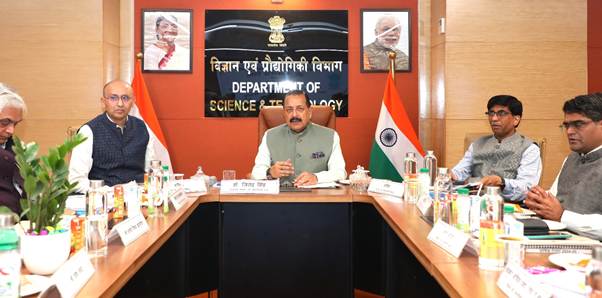
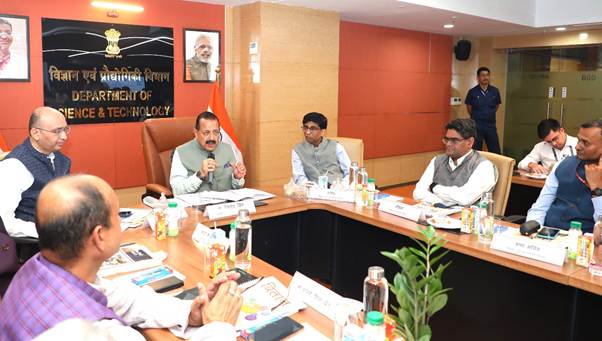
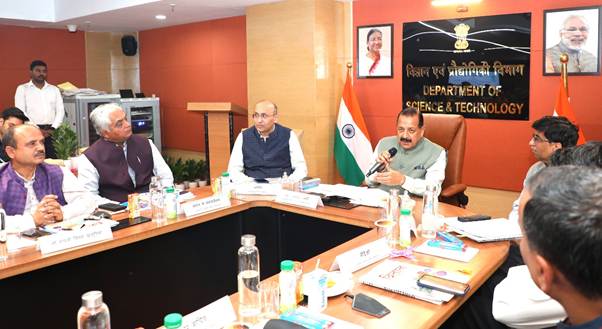
Dr. Singh chaired the first meeting of the Hindi Advisory Committee under the Ministry of Science and Technology in New Delhi. He pointed out something interesting: people from Tamil Nadu, Kerala, and other southern states are now comfortably using Hindi in daily work. This shows Hindi has truly become a language that unites the entire country, not just the north.
He told the gathering that every ministry and department must make Hindi a regular part of official communication. When scientists write reports or share findings, Hindi should flow as naturally as English. This small shift can make a big difference in how ordinary citizens view science.
AI Tools Are Changing the Game for Hindi Content
One of the biggest highlights from the meeting was the role of artificial intelligence. Dr. Singh explained that smart translation software powered by AI is now converting tough scientific papers into clear Hindi. Suddenly, a farmer in Uttar Pradesh or a student in Rajasthan can read about gene editing or satellite launches without needing English.
These tools do not just translate word for word. They capture the real meaning and context, so the message stays accurate. The minister said this technology is opening doors for millions who prefer reading in their mother tongue. More people understanding science means more young minds dreaming of becoming researchers.
Ministry Websites Must Speak Hindi Too
Dr. Singh gave a clear instruction: every website run by the ministry should have full Hindi versions. Right now, many sites offer only a few pages in Hindi. He wants complete parity. If a new discovery about solar energy is announced, the same details should appear in Hindi at the same time.
To encourage staff, the ministry will soon start giving awards to officers and employees who excel in using Hindi. Simple appreciation like this can motivate many to switch from English to Hindi in emails, notices, and presentations.
Regional Languages Deserve Equal Love
While pushing Hindi, Dr. Singh was careful to add that regional languages are just as important. Tamil, Telugu, Bengali, Marathi, and others carry unique knowledge systems. India’s growth in science will be stronger when every language gets space to shine.
He gave an example: a breakthrough in marine biology from Odisha might be best explained in Odia first. Hindi and regional tongues can work together to spread ideas, spark innovation, and build national pride. Ignoring any language would mean losing part of India’s diverse brainpower.
UGC Steps Up with Hindi Resources
The University Grants Commission is already helping. They have rolled out special Hindi tools and learning material for college staff and researchers. This support makes it easier for professors to teach advanced physics or chemistry in Hindi medium without losing depth.
Dr. Singh urged every central ministry to follow the same path. Official letters, policy documents, and meeting minutes should appear in Hindi wherever possible. Over time, this habit will make Hindi the natural choice for government work across the country.
What Committee Members Suggested
Several committee members shared practical ideas. They want more Hindi in internal files and court-like departmental inquiries. Scientific videos, infographics, and newsletters should come out in Hindi first, not as an afterthought.
They also pushed for heavy use of social media. Short reels explaining black holes or vaccine development in Hindi can go viral among school kids. Plus, employees who draft reports purely in Hindi should get extra recognition during appraisals.
Who Attended the Meeting
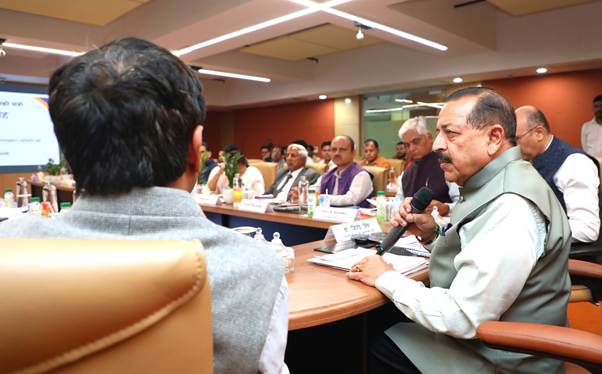
Top officials present included Prof. Abhay Karandikar, Secretary of the Department of Science and Technology; Dr. Rajesh S. Gokhale, Secretary of the Department of Biotechnology; and Dr. Shivkumar Kalyanaraman, CEO of the Anusandhan National Research Foundation. Senior scientists from atomic energy and space departments also joined the discussion.
The energy in the room was clear: everyone agreed that language should never be a barrier to knowledge. By blending Hindi, regional languages, and modern AI, India can take its scientific story to every corner of the nation.
As Dr. Singh wrapped up, he left the team with a simple thought. When a child in a remote village reads about ISRO’s next moon mission in her own language, that is when India truly becomes self-reliant in thought and action.
Focused keyword: hindi in science and technology
Meta description: Hindi in Science and Technology gets smarter with AI translation, says Dr. Jitendra Singh, while regional languages gain equal focus.