
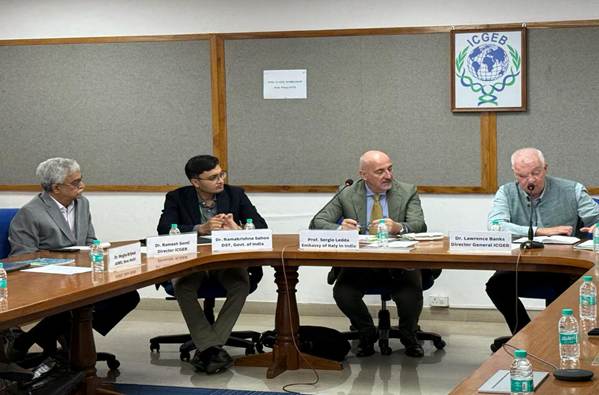
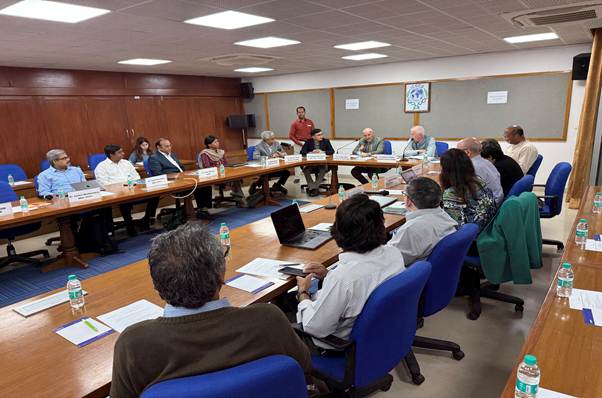
New Delhi saw a key gathering of scientists and officials from India and Italy at the ICGEB campus. They came together to talk about using genome studies to handle future health crises better. This meeting focused on turning research findings into real actions that can protect people during outbreaks.
Why International Teamwork Matters in Health Crises
The COVID-19 outbreak taught everyone a big lesson. Countries need to share data and work as a team to spot new threats early. At this round table, experts stressed that watching virus changes through genome sequencing helps governments make smart decisions fast. It is not just about finding the problem but also about preparing hospitals and vaccines ahead of time.
Think of it like having a global early warning system. When one country spots a new variant, others get the alert right away. This kind of setup saved lives during the last pandemic and can do even more next time. The group agreed that India and Italy have a strong base to lead such efforts together.
Key People Who Joined the Discussion
Prof. Lawrence Banks, who leads ICGEB worldwide, opened the talks. He shared how joint projects between the two nations helped control the virus spread earlier. Prof. Ramesh Sonti, head of the New Delhi center, welcomed everyone and set the tone for open sharing of ideas.
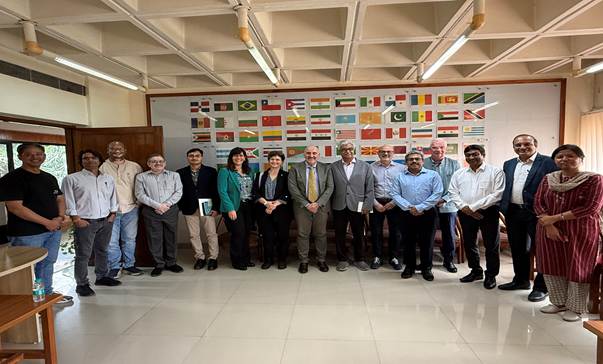
Representatives came from the Department of Science and Technology in India, AIIMS in New Delhi, and THSTI in Faridabad. From Italy, experts from the Istituto Superiore di Sanità in Rome attended. Staff from the Italian Embassy in India also took part, showing official support for deeper ties in science.
Clear Communication Builds Public Trust
Dr. Sergio Ledda from the Italian Embassy pointed out a simple truth. Lab results mean little if people do not understand them. He said scientists must explain findings in everyday language. This stops wrong stories from spreading and helps citizens follow health guidelines without fear.
For example, during COVID-19, many rumors caused panic. Accurate updates from trusted sources calmed things down. The meeting stressed training programs to teach researchers how to talk to the media and the public.
Lessons from the Past Shape Future Plans
Prof. Banks reminded everyone that another outbreak will happen. The question is only about timing and scale. He praised the quick vaccine work done by Indian and Italian teams. Sharing lab space, data, and funds made that possible.
Participants brainstormed new ideas. They want regular online platforms where labs upload genome data in real time. Joint training for young scientists was another suggestion. Both sides see value in student exchange programs focused on infectious diseases.
India brings huge population data and fast sequencing capacity. Italy offers advanced biotech tools and long experience in public health policy. Putting these strengths together creates a powerful partnership.
Building Long-Term Partnerships
The round table ended with a clear roadmap. ICGEB New Delhi will host follow-up workshops every six months. A joint working group will track progress on shared projects. Funding will come from both governments and international bodies.
Small steps like these add up. A new database for SARS-CoV-2 variants is already in the works. It will be open to researchers worldwide. Training modules on genomic tools will start next year for Indian medical colleges.
Events like this show how science can bring countries closer. Beyond lab coats and test tubes, the goal is simple: keep people safe no matter where the next threat starts.
What This Means for Everyday People
You might wonder how genome talks affect your life. The answer is direct. Better surveillance means quicker travel bans or mask rules when needed. Faster research translation brings vaccines to clinics sooner. Strong international links ensure no country fights alone.
India and Italy are setting an example. Other nations can copy this model. Regional hubs for genomic work could cover Africa, Southeast Asia, and Latin America. The ICGEB meeting planted seeds for that wider network.
Public health is a team sport. When scientists share openly, governments plan better, and citizens stay informed. That chain of trust is the best defense against any virus.
The discussions wrapped up on a hopeful note. Both sides committed to turning words into action. ICGEB New Delhi remains the perfect venue for such bridges between nations. Future meetings will track how well these plans work on the ground.
Staying ready is an ongoing job. Today’s round table added one more strong link in that chain.
Focused keyword: global genomic collaborations
Meta description: Global Genomic Collaborations drive India-Italy efforts to prepare for pandemics through shared research and surveillance at ICGEB New Delhi.