I87L.jpeg?w=930&resize=930,620&ssl=1 "India Maritime Week 2025: Green Shipping and Defence Deals Take Centre Stage")
Hey, if you follow anything about ships, ports, or trade, you need to know what just happened at India Maritime Week 2025 in Mumbai. The second day was packed with big promises on cutting pollution, smarter ports, and even a fresh defence partnership. Let me walk you through the highlights in plain talk.
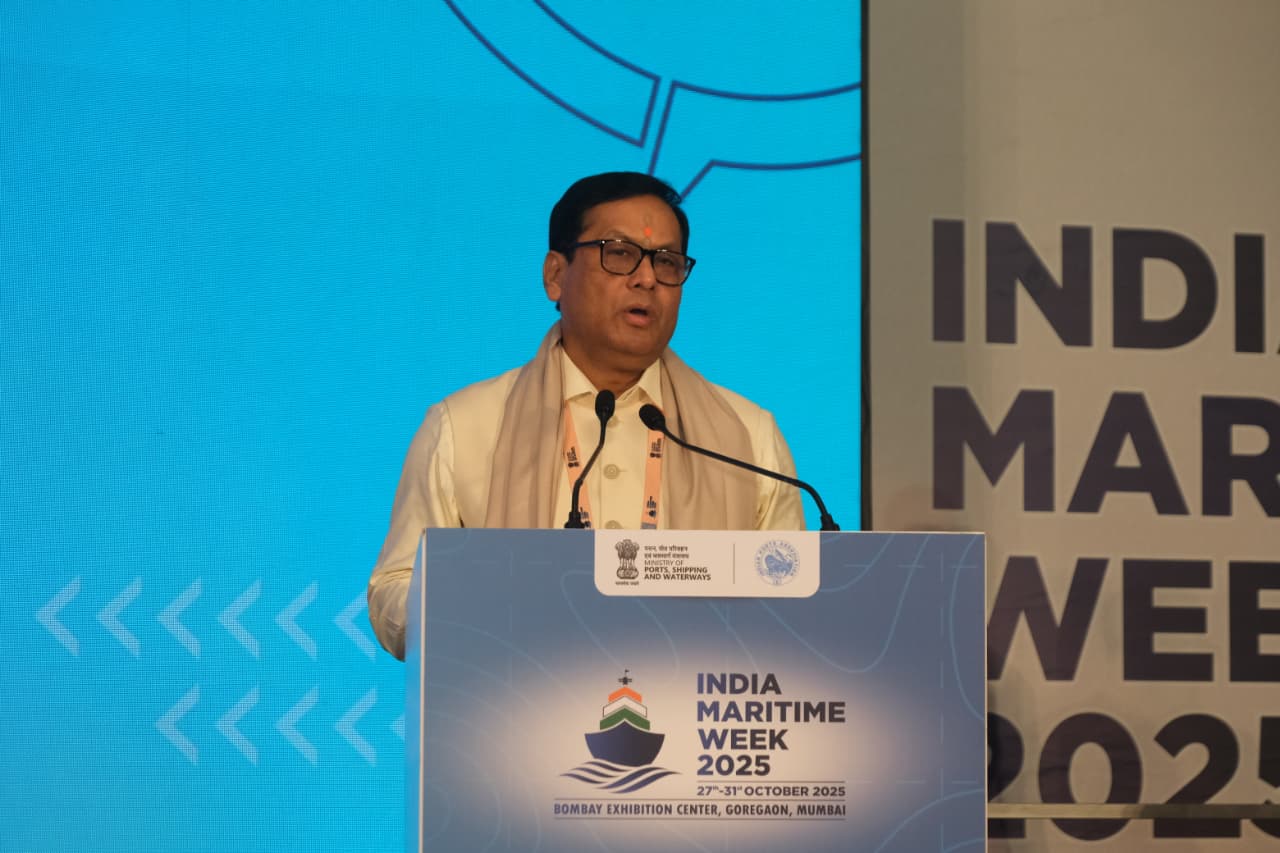
Big Push to Slash Carbon from Shipping
Union Minister Sarbananda Sonowal laid it out straight: India wants to chop carbon emissions per ton of cargo by 30 percent by 2030 and a massive 70 percent by 2047. That lines up with the country’s net-zero goal by 2070. Shipping handles more than 95 percent of India’s trade by volume, so cleaning it up matters a lot for the economy and the planet.
He pointed to plans like Sagarmala, Maritime India Vision 2030, and the new Harit Sagar guidelines that put green growth first. Ports such as VOC, Paradip, and Deendayal are turning into green hydrogen hubs. Across India, companies have already announced over 12 million metric tonnes of green e-fuel capacity. These spots will produce, store, and export clean fuels, creating jobs and cutting dirt from trucks and ships.
India just rolled out its first country-wide shore power standard. Ships can now plug into clean electricity at the dock instead of running dirty engines. Places like Jawaharlal Nehru Port are switching to battery trucks and electric cranes to hit zero emissions soon.
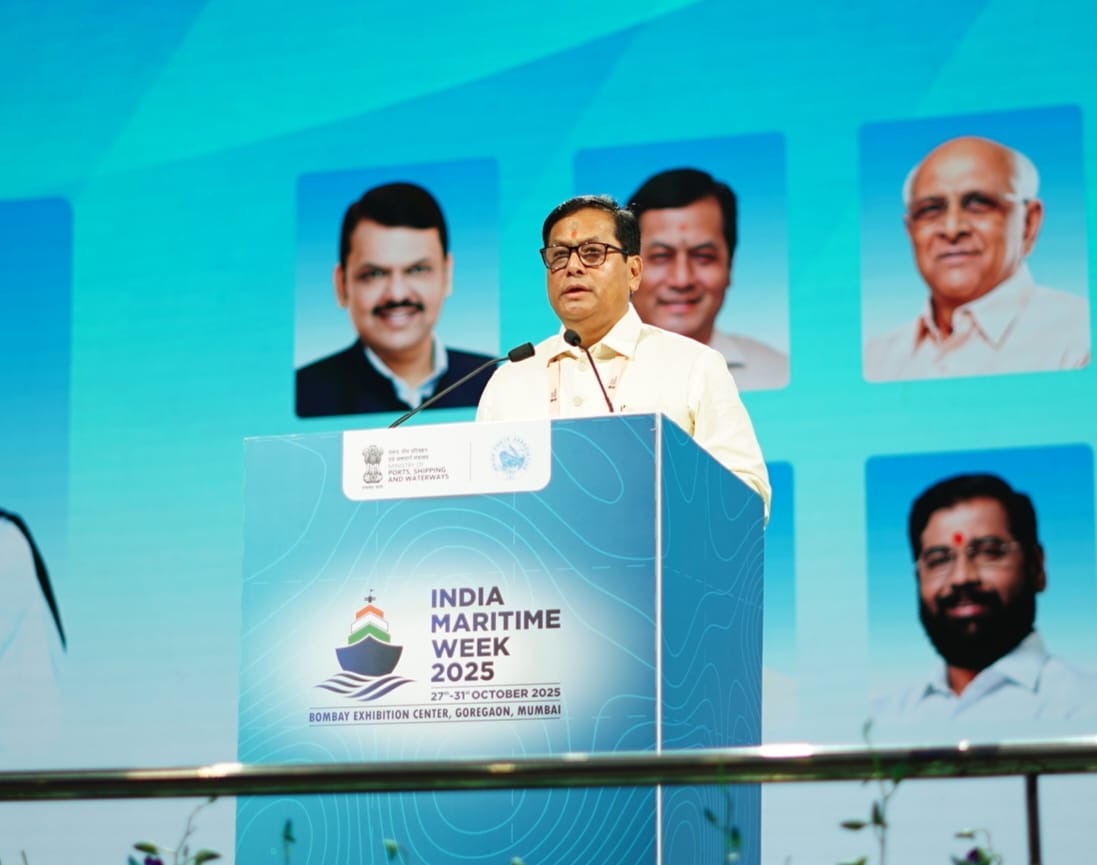
New Green Lanes with Singapore and Rotterdam
India kicked off Green and Digital Shipping Corridors with Singapore and Rotterdam this year. Think of them as clean highways on water where ships use low-carbon fuels and smart tech. These links will pull in more investment and position India as the go-to spot for green trade between Asia, Europe, and beyond.
Five fresh reports came out on the same day covering green hydrogen, e-fuels, electric trucking, pollution checks, and how to measure green performance at ports. Useful stuff for anyone running a terminal or fleet.
Closer Ties with Nordic Countries
Sweden and Norway brought their A-game to the event. Swedish experts talked about AI for port automation, LNG bunkering, and electric ferries. Norwegian firms shared ideas on shipbuilding tech and cold-weather green solutions. Both countries are teaming up with Indian players to build smarter, cleaner vessels and ports.
5FUX.jpeg)
First Major Defence Shipbuilding PPP
On the security side, Mazagon Dock Shipbuilders and Swan Defence & Heavy Industries signed a deal to build Landing Platform Docks for the Indian Navy. This is the first large public-private partnership in defence shipbuilding. It mixes government experience with private speed under the Atmanirbhar Bharat push. More such deals should follow, boosting local jobs and tech.
AGUZ.jpeg)
Ports as Growth Engines
One session drilled down on how ports spark factories, jobs, and better roads or rails. Speakers pushed for digital tools, tougher buildings against storms, and seamless links to highways and trains. Karnataka and Andhra Pradesh showed off their plans for fisheries, logistics parks, and new shipyards.
Inland waterways got love too. The Inland Waterways Authority of India shared maps to expand rivers and canals for cheaper, greener cargo moves. Cutting road trucks means less fuel and lower costs for goods.
Safety, Cruise Boom, and Tough Supply Chains
Maritime safety talks covered cyber risks, rules for driverless ships, and a new global standard for safety checks. Cruise companies like Cordelia plan to grow their fleet to 10 ships by 2031, adding Cochin and Vizag as home bases. They want simpler rules and better docks near cities.
D0ZF.jpeg)
Supply chain experts stressed digital tracking from port to warehouse to handle disruptions better. Green corridors again popped up as the fix for reliable, low-carbon trade.
Overall, the day hammered home four pillars: go digital, drop carbon, train people fast, and cut red tape. States, centre, and private firms all seem on the same page.
What is Coming Next
Prime Minister Narendra Modi will speak to global maritime bosses on the third day. Expect more big-picture vision on how India plans to lead the blue economy while keeping oceans clean and trade flowing.
India Maritime Week 2025 is proving that growth and green can go hand in hand. From hydrogen hubs to Navy docks, every move aims to make the country a maritime powerhouse by 2047. Keep an eye on these partnerships; they will shape shipping costs, fuel prices, and even defence strength in the years ahead.
1LJQ.jpeg)
If you run a logistics firm, build ships, or just care about cleaner trade, these steps will touch your work soon. Shore power, green corridors, and local shipbuilding mean lower bills and new markets. The event wraps up tomorrow, but the real work starts now in boardrooms and dry docks across the coast.
I87L.jpeg "India Maritime Week 2025: Green Shipping and Defence Deals Take Centre Stage")
Stay tuned for updates on the PM’s speech and any fresh deals. India is clearly betting big on seas that are busy, safe, and green.
Focused keyword: india maritime week 2025
Meta description: India Maritime Week 2025 pushes for massive emission cuts, new green corridors with Singapore and Rotterdam, and the first big defence PPP for Navy ships. PM Modi speaks tomorrow.