
Delhi witnessed a solemn and dignified ceremony as the country marked the 150th birth anniversary of one of its greatest architects. Several prominent leaders gathered to remember the man who stitched together a fractured nation after independence. The event reflected the deep respect Indians continue to hold for the leader known for his steely resolve and unmatched organisational skills.
Top Dignitaries Lead National Tribute
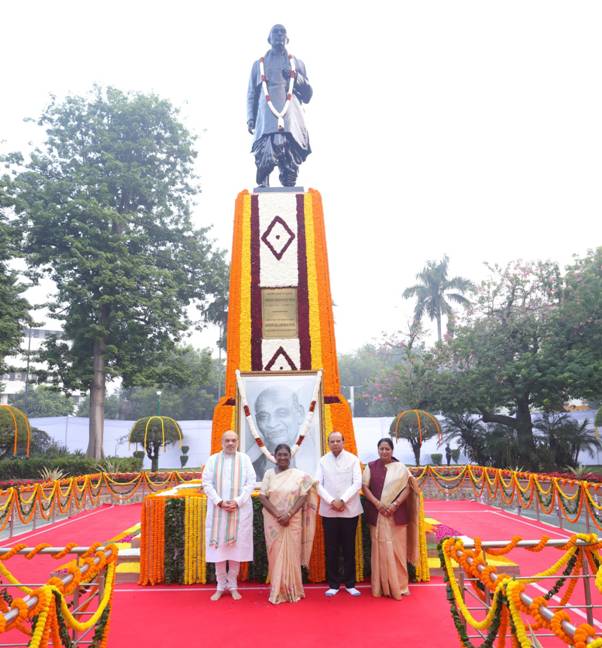
The President of India, Droupadi Murmu, stood alongside Union Home Minister Amit Shah to offer flowers at the memorial dedicated to the legendary freedom fighter. They were joined by Delhi’s Lieutenant Governor, Vinai Kumar Saxena, and Chief Minister Rekha Gupta. All four leaders placed wreaths in a gesture that symbolised gratitude from an entire generation that benefits from the unity forged decades ago.
The morning function took place at a prominent location in the national capital, drawing officials, security personnel and citizens who wished to witness the occasion. The atmosphere remained calm yet charged with pride as each leader stepped forward to bow before the statue of the statesman who earned the title Iron Man for his unwavering determination.
Why Sardar Patel Remains Relevant Today
Born in 1875 in Gujarat, Sardar Vallabhbhai Patel played a pivotal role in the freedom struggle before taking on the monumental task of integrating over 560 princely states into the Indian Union. His diplomatic negotiations, backed by firm action when required, prevented the country from splintering into multiple entities. Without his efforts, the map of India might have looked drastically different.
Beyond unification, he contributed to building strong administrative systems. He encouraged the creation of the All India Services, ensuring talented officers served across states for national cohesion. Farmers, cooperatives and local governance also found a champion in him, as he pushed for policies that empowered rural India.
Amit Shah Highlights Enduring Legacy
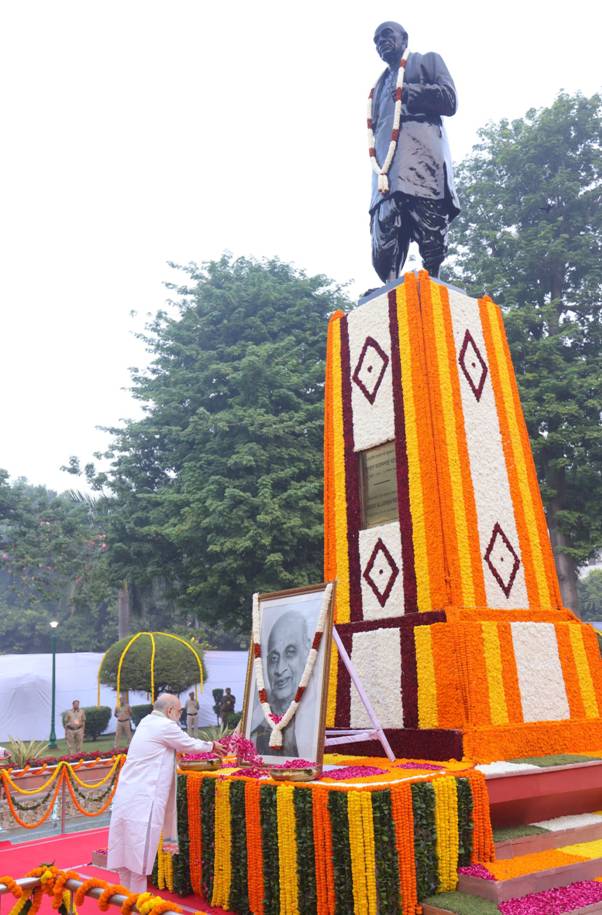
Union Home Minister Amit Shah took to social media after the ceremony to express the country’s everlasting debt to Sardar Patel. In his message, he pointed out how the leader’s work laid the groundwork for a strong, self-sufficient nation. From constructing a united republic to promoting initiatives that reduced dependency on foreign resources, every step reflected a vision for long-term prosperity.
Shah’s words resonated with many who see current policies on internal security, cooperative movements and rural development as natural extensions of ideas first championed by Patel. The Home Minister stressed that public welfare always remained at the core of the Iron Man’s decisions, whether dealing with princely rulers or drafting frameworks for civil services.
Delhi’s Role in Preserving National Memory
As the seat of power, Delhi hosts numerous memorials that keep historical figures alive in public consciousness. The site where today’s tribute occurred serves as a regular venue for such observances. Lieutenant Governor Vinai Kumar Saxena and Chief Minister Rekha Gupta representing the capital’s administration underscored the importance of remembering those who built modern India.
School children, armed forces personnel and common citizens often visit these locations throughout the year. On special occasions like birth anniversaries, the footfall increases, turning the space into a site of quiet reflection and patriotic education. The presence of the city’s top officials added weight to the message that history must inform present actions.
Inspiring the Next Generation
Events marking the 150th birth anniversary carry extra significance because they fall in an era when India positions itself as a global leader. Young Indians learn about Patel in textbooks, but seeing national figures honour him brings lessons to life. It reinforces values of unity, discipline and strategic thinking that remain essential for progress.
Educational institutions across the country organised debates, quizzes and exhibitions around the date. Many focused on lesser-known aspects of Patel’s life, such as his legal career, his role in the Bardoli Satyagraha and his differences with contemporaries on key issues. These activities ensure the Iron Man’s story stays dynamic rather than frozen in time.
Looking Ahead: Unity in Diversity
The integration of princely states stands as Patel’s most visible achievement, but his broader philosophy centred on inclusive growth. He believed that real strength came from bringing diverse groups together under common goals. Cooperative societies, which he promoted vigorously, continue to empower millions of farmers and artisans today.
As India navigates complex internal and external challenges, recalling Patel’s methods offers practical guidance. His ability to balance persuasion with authority, dialogue with decisiveness, provides a template for resolving disputes. Leaders across party lines acknowledge this contribution, evident from their participation in commemorative events.
The 150th birth anniversary serves as more than a ritual. It acts as a reminder to uphold the territorial and emotional integrity he fought for. Citizens from Kashmir to Kanyakumari, from Gujarat to Arunachal Pradesh, share the benefits of his labour. Honouring him becomes an act of renewing commitment to the idea of one nation.
In the coming years, infrastructure projects, digital initiatives and security reforms will shape India’s trajectory. Each success will indirectly trace back to the stable foundation laid in the late 1940s. That foundation owes its existence to the vision and execution of Sardar Vallabhbhai Patel.