WHO Issues Policy Brief on Priority Setting in TB Programme Planning
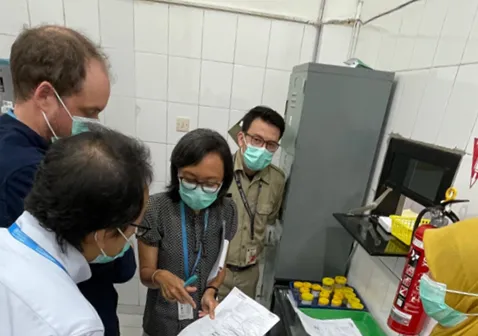
The World Health Organization has released a new policy brief designed to assist national TB programmes in establishing priorities and distributing resources using strategic, evidence-informed and people-centred methods aimed at advancing efforts to end the TB epidemic. The brief presents a structured framework for priority setting that highlights transparency, inclusion, evidence-based decisions and accountability as core elements for effective and equitable TB programme planning.
The brief also describes approaches to address the effects of unforeseen funding gaps, including improving efficiency, integrating TB services within primary health care-oriented health systems and protecting high-impact, life-saving interventions.
“Effective priority-setting is not a one-off exercise – it is the compass that guides countries through changing epidemics, shifting resources and evolving health systems. With this policy brief, we are equipping national TB programmes with the tools to steer their efforts with evidence, equity and impact,” said Dr Tereza Kasaeva, Director of WHO’s Department for HIV, Tuberculosis, Hepatitis and STIs.
Prioritization is identified as an essential component of the planning cycle that supports resource mobilization and allocation while improving programme efficiency. In view of resource limitations and competing health demands, prioritization is regarded as vital for maintaining and expanding TB services.
Although prevention and care have advanced, the global TB burden remains substantial. In 2024, global TB funding amounted to US$ 5.9 billion, meeting only 27% of the US$ 22 billion required annually by 2027 to achieve the targets set at the 2023 UN High-Level Meeting on TB. Reductions in international donor support from 2025 onward present a significant challenge. Modelling studies have indicated that long-term declines in donor funding could lead to as many as 2 million additional deaths and 10 million people developing TB between 2025 and 2035.
WHO has expressed its readiness to support peer-learning exchanges and the documentation of effective practices related to priority setting in TB programme planning.