
Stroke remains a major health concern across India, claiming countless lives and leaving many with long-term disabilities. On this World Stroke Day, the Ministry of Ayush steps forward to showcase how traditional Indian healing practices can play a vital role in preventing strokes and aiding recovery. These time-tested systems work alongside modern medicine to create a more complete care plan for patients.
Why Integrative Care Matters for Stroke Patients
Union Minister of State for Ayush, Shri Prataprao Jadhav, points out that strokes demand a broader strategy than just emergency treatment. He explains that Ayush methods shine in building prevention habits and supporting rehabilitation over months or years. By focusing on overall body balance and strength, these approaches help lower the chances of another episode while improving daily life for survivors.
The minister stresses the importance of solid research and public education. Partnerships between Ayush experts and medical scientists are growing, aiming to prove the real benefits of these therapies. This evidence-based push ensures that traditional knowledge gets a fair place in national health programs.
Understanding Stroke: The Silent Threat
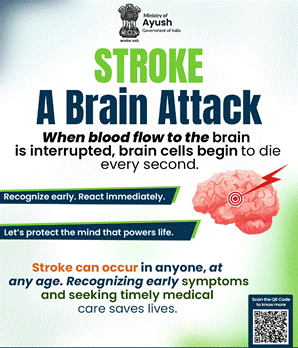
A stroke hits when blood flow to the brain suddenly stops or a vessel bursts inside the head. Most cases involve a blockage, cutting off oxygen to brain cells, while others stem from bleeding. Even a short-lived mini-stroke signals serious risk ahead. Quick action saves lives, but long-term care decides how well someone bounces back.
India sees a high number of these incidents, often linked to rising stress, poor diet, and lifestyle changes. Families feel the emotional and financial strain when a loved one faces partial paralysis or speech issues. This is where holistic support from Ayush systems makes a difference.
How Ayurveda Views and Treats Stroke
In Ayurveda, stroke links directly to an upset in Vata dosha, the energy governing movement and nerves. When Vata goes out of balance, it weakens one side of the body, causing numbness or loss of control. Treatment starts with gentle detox to clear toxins, followed by oils and massages that boost blood flow and calm nerves.
Daily routines include warm herbal drinks, light yoga poses, and meditation to steady the mind. Patients often notice better grip strength and clearer thinking after weeks of consistent care. Ayurvedic doctors tailor plans to each person’s constitution, making recovery feel personal and sustainable.
Homeopathy as a Supportive Ally
Research shows homeopathy helps stroke survivors regain movement and confidence. Tiny doses of natural remedies stimulate the body’s healing response, easing muscle stiffness and lifting mood. Many patients report faster progress in walking or speaking when homeopathy joins physical therapy.
Doctors use it mainly as an add-on, never replacing urgent hospital care. Yet, the gentle nature suits elderly patients or those sensitive to strong drugs. Regular follow-ups track improvements in coordination and energy levels.
Building Resilience Through Daily Habits
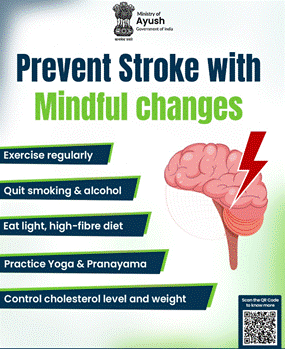
Ayush systems teach simple ways to shield the brain long before trouble strikes. Start the day with warm water and ginger to fire up digestion. Include almonds, leafy greens, and seasonal fruits to nourish nerves. Short walks in fresh air, paired with deep breathing, keep blood pressure steady.
Yoga sessions twice a week strengthen the heart and ease tension. Pranayama exercises train the lungs and calm racing thoughts, cutting stress that fuels strokes. Even ten minutes of meditation daily builds mental toughness against life’s pressures.
Rehabilitation: The Road Back to Normal Life
After leaving the hospital, stroke survivors need ongoing help to rebuild skills. Ayush therapies fill this gap with patient-specific programs. Panchakarma cleanses the system, while shirodhara pours warm oil on the forehead to soothe frayed nerves. Speech therapists team up with Ayurvedic experts for better results in communication.
Group sessions let patients share stories and motivate each other. Families learn massage techniques to use at home, turning care into a bonding routine. Over time, many regain independence in dressing, eating, and hobbies they loved before.
Government Push for Wider Reach
Secretary Vaidya Rajesh Kotecha reveals plans to expand Ayush stroke clinics in district hospitals. Training programs equip allopathic doctors with basic traditional knowledge for smoother referrals. Mobile units visit rural areas, screening blood pressure and teaching warning signs like sudden headache or arm weakness.
Community campaigns on World Stroke Day spread the FAST message: Face drooping, Arm weakness, Speech trouble, Time to call help. Free check-up camps distribute herbal kits for hypertension control. Schools introduce kids to balanced eating and active play to plant healthy seeds early.
Data from pilot projects show fewer repeat strokes in areas with integrated care. Hospital stays shorten when rehab starts sooner. Insurance providers begin covering select Ayush treatments, easing the cost burden on families.
Looking Ahead: A Healthier Nation
Blending Ayush wisdom with modern science promises a brighter future for stroke care in India. As research grows, more therapies will gain official nods, reaching urban clinics and remote villages alike. Public awareness shifts focus from cure to prevention, empowering people to take charge of their well-being.
Every small step counts, from choosing stairs over lifts to sipping tulsi tea for immunity. On this World Stroke Day, let us commit to habits that protect our brains and hearts. Together, traditional and contemporary paths lead to stronger, stroke-resilient lives.
Focused keyword: ayush stroke care
Meta description: Ayush stroke care blends prevention and holistic recovery to support conventional treatment in India. Explore integrative pathways for better outcomes.