
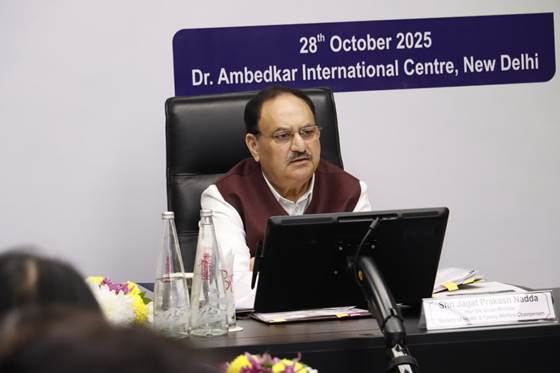
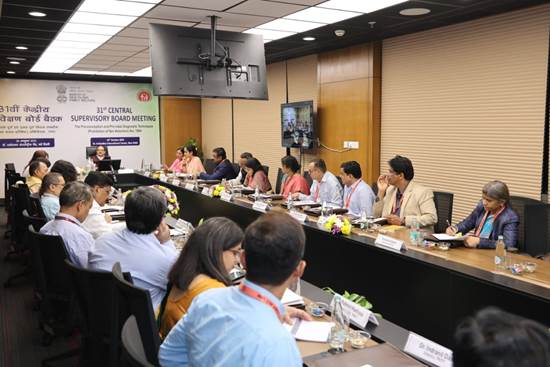
Union Health Minister Jagat Prakash Nadda recently chaired the 31st gathering of the Central Supervisory Board in the capital. The main goal was to push harder on making the PC&PNDT Act work better across the country. This law stops people from using medical tools to pick the gender of a baby before birth. Everyone agreed that keeping boys and girls in balance is a big national priority.
Good News from Latest Birth Data
The minister shared fresh numbers from the Sample Registration System report covering 2021 to 2023. India’s overall sex ratio at birth now stands at 917 girls for every 1,000 boys. That is a step up from earlier years. Several states have done even better and crossed this national mark. Places like Madhya Pradesh, Rajasthan, Karnataka, Uttarakhand, and Haryana stood out for their smart moves against picking baby genders.
During the talks, everyone looked at how courts handled old cases, how often clinics got checked, and how many new centers got proper papers. All these signs point to steady gains over time. The group stressed that both the center and states must keep acting fast to fix any gaps in gender numbers.
Training and Tech Challenges in Focus
Nadda talked about a big workshop held on October 6 this year. It tackled new problems from gadgets that can check baby gender on the go and ads online that offer such tests. He said states should hold their own meetings often. Doctors, police, and local leaders need to talk more and learn from what works elsewhere.

Sharing success stories regularly can help everyone. The minister made it clear that tough rules and awareness go hand in hand to protect girl children right from the start.
Health Secretary Outlines Key Steps
Health Secretary Punya Salila Srivastava explained what the ministry is doing to make the law stronger. She linked this effort to the recent Swasth Nari Sashakt Parivar campaign run with the Women and Child Development team. That program aimed to give better care to mothers and kids all over India. Keeping girls healthy and safe stays at the top of the list.
Women and Child Ministry Adds Voice
Minister of State Savitri Thakur spoke about government programs that stop bias against girls. She praised the Beti Bachao Beti Padhao scheme for changing minds about daughters. Even with better birth ratios, she said the work cannot slow down. Every step counts to keep the momentum.
What the Board Members Suggested
Board members from different fields shared worries and ideas. They pushed for nonstop checks and chats with people who matter on the ground. Watching how the law runs day to day is key. They want the board to guide and watch over all efforts to meet its goals.
Nadda promised the board will stay active. It will give clear directions and keep an eye on progress. The aim is to build a solid system that fully backs the PC&PNDT Act everywhere.
Who Joined the Meeting
Along with the ministers, MPs Dr Byreddy Shabari and Dr Ajeet Madhavrao Gopchade attended. Law ministry official Dr Anju Rathi Rana, health services head Dr Sunita Sharma, and additional secretary Lav Agarwal from the women and child department were there. Rajasthan health secretary Gayatri A. Rathore, ministry joint secretary Meera Srivastava, cyber expert Rajesh Kumar, advocate Dr Kousthubha Upadhyaya, and other senior officers also took part.

This meeting shows how serious the government is about fair treatment for boys and girls. With data getting better and new plans in place, the road ahead looks hopeful. States that try fresh ideas inspire others. Regular training and strict checks can stop misuse of tech. Programs like Beti Bachao keep reminding families that every child matters.
As digital tools grow, rules must grow too. Portable machines and online offers make old problems trickier. Workshops and talks help officers stay sharp. Sharing what works in one state can spark change in another. The health team works closely with women and child experts to cover all sides.
Improving birth ratios is not just numbers. It means stronger families and a fair society. Girls who get equal chances grow up to lead. The PC&PNDT Act guards that future. Every inspection, every case closed, every new rule adds up. The board’s oversight keeps everyone on track.
People across India see these efforts in daily life. Campaigns reach villages and cities. Schools teach respect for all kids. Clinics follow laws without shortcuts. Parents feel proud of daughters. That is the real win the country chases.
The journey continues with more meetings, more data, more action. The Central Supervisory Board stands ready to lead. Together, center and states can make gender balance a lived reality, not just a goal.