
The latest gathering of leaders from India and Norway put the spotlight on how teamwork between nations can drive real improvements in public health services across several states. Officials came together in the capital to look back at achievements and map out fresh strategies for the coming year under this long-standing collaboration.
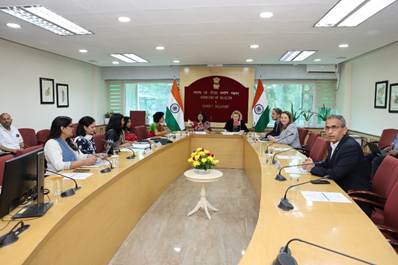
Strong Leadership Drives Collaborative Success
Punya Salila Srivastava, who heads health affairs at the central level, led the discussions alongside Norway’s top diplomat in India, May-Elin Stener. Their joint session focused on examining the detailed report of activities completed in 2025 and giving the green light to financial plans for the period running through 2026. This marks another step in the fourth stage of the program that began years ago.
Srivastava pointed out that combining resources and ideas from different quarters often leads to better results on the ground. She explained that the central government works closely with state administrations and union territories to ensure every arm of governance pulls in the same direction. This unified method helps meet health targets more effectively.
India serves as an ideal place to test new approaches in healthcare, she added. The country remains eager to pass on successful methods developed here so other regions can adopt them too. One standout example is a digital assessment tool built under the program. Known as the Indian Public Health Standards Open Data Kit, it allows state teams to quickly spot shortcomings in facilities and get precise help to bridge those gaps.
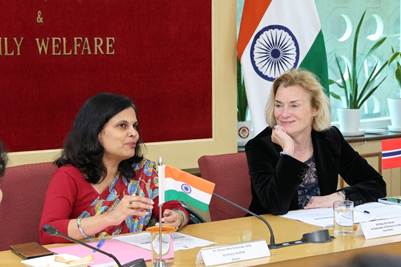
Two Decades of Impactful Partnership
Ambassador Stener reminded everyone that the alliance will soon celebrate twenty years since its launch in 2006. She praised the creative projects introduced through this tie-up, saying they have sparked major positive changes in how care is delivered.
A striking figure she shared shows the depth of India’s involvement: for every rupee Norway contributes, the Indian side puts in twenty-six times more. This heavy investment underscores the priority placed on strengthening medical systems. Stener observed clear progress in the nation’s journey toward becoming a fully developed economy, with health playing a central role. Ground-level efforts reflect a firm dedication to upgrading services for citizens.
Major Achievements Highlighted in Detail
Attendees watched a thorough presentation covering standout outcomes from the initiative. Among them is the complete toolkit tied to the public health standards assessment app. Another is the creation of a dedicated innovation center inside the National Health Mission framework.
Experts have also built a smart decision-making system to expand offerings at community wellness centers called Ayushman Arogya Mandirs. On the preventive side, a new model promotes care for couples planning pregnancy. Women now have access to a simple self-screening option for cervical cancer. Guidelines for integrated home care of newborns and young children round out the list of practical tools rolled out.
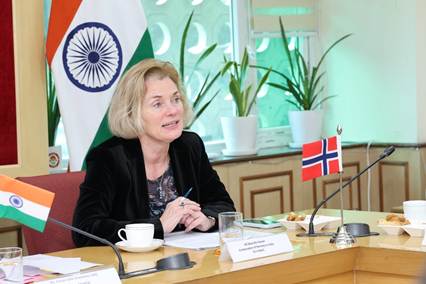
Core Goals and Geographic Reach
At its heart, the partnership stems from a formal pact between the two governments to support India’s national health agenda and global sustainable development targets. It channels targeted, forward-thinking assistance to the flagship National Health Mission in Bihar, Odisha, Madhya Pradesh, Rajasthan, and the union territory of Jammu and Kashmir.
Having wrapped up three earlier phases with success, the current fourth phase continues to supply vital expert guidance to the Union Ministry of Health and Family Welfare along with state-level mission teams. Over the years, numerous fresh ideas in healthcare have moved from concept to reality. The effort has produced valuable research, detailed records, and proven ways to bolster the overall system based on solid evidence.
How the Collaboration Stays on Track
A yearly high-level committee steers the ship. The health secretary from India chairs it, while the Norwegian ambassador serves as co-chair. The additional secretary heading the National Health Mission acts as the main coordinator. These meetings set yearly priorities, evaluate what has worked well, and sign off on reports plus upcoming action plans drafted by the operational partner.
Several senior figures joined the latest session. Aradhana Patnaik, an additional secretary in the health ministry, attended along with joint secretary Meera Srivastava. NIPI program director Ashfaq Bhat was present, as were Norwegian embassy counselors Are Nagoda and senior advisor Undis Vatvedt Singh. Health secretaries and mission directors from the five focus states also took part, alongside other key ministry staff.
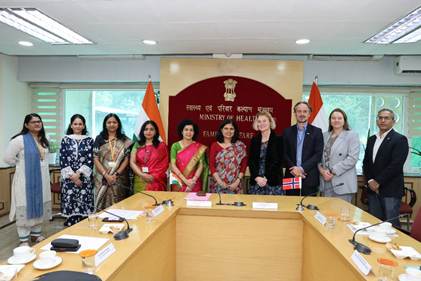
Looking Ahead with Renewed Commitment
Both sides wrapped up the day by expressing gratitude for the fruitful relationship and pledging to keep the momentum going. The health ministry values the external expertise and remains fully invested in nurturing this alliance for mutual benefit.
As India pushes toward comprehensive healthcare coverage and higher quality standards, partnerships like this one prove essential. They bring in new perspectives, fund pilot projects, and help scale what works across diverse regions. The focus stays on measurable improvements that touch the lives of millions, especially in areas that need it most.
With a clear roadmap now approved for the next twelve months, teams in the partner states can move forward confidently. Expect more digital solutions, training programs, and community-level interventions to roll out soon. The ultimate aim remains simple yet ambitious: healthier families and stronger public systems for generations to come.