
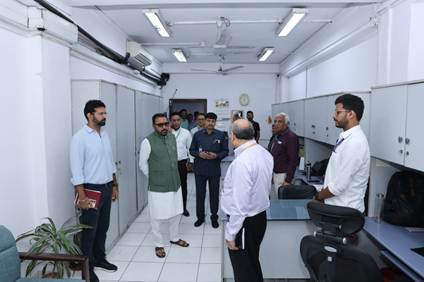
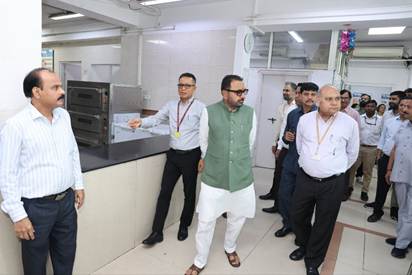
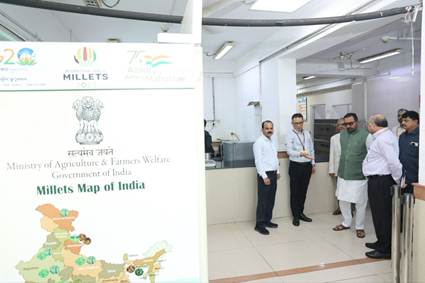
The Union Minister of State for Health and Family Welfare, Shri Prataprao Jadhav, recently checked on the advancements in the current Special Campaign 5.0. He personally visited the office spaces at Nirman Bhawan in New Delhi to see the efforts firsthand. This initiative runs throughout October 2025 and aims to promote cleanliness and reduce backlog in government workplaces across the health sector.
What Special Campaign 5.0 Means for Health Department
Special Campaign 5.0 kicked off on the 2nd of October and will continue until the 31st. The Department of Health and Family Welfare has put strong emphasis on organizing cleanliness activities, managing records properly, handling public complaints, and clearing pending tasks. A key area of attention is the safe disposal of electronic waste to make operations more eco-friendly.
Teams across central government hospitals, institutes, attached offices, subordinate units, autonomous bodies, and public sector undertakings under the department work together closely. Regular checks and teamwork ensure that the campaign progresses smoothly and delivers lasting results.
Impressive Numbers from the Ground
By the 29th of October 2025, the department had carried out 1,582 cleanliness drives in various locations. These activities have helped maintain hygienic environments in offices and facilities that serve the public daily.
On the grievance front, officials resolved 4,726 complaints from citizens and 360 appeals related to those issues. Additionally, they addressed 85 references received from Members of Parliament, ensuring parliamentary concerns get prompt attention.
Record management saw significant action too. Staff reviewed 41,909 physical files and removed 29,844 that were no longer needed. For digital records, they examined 5,759 e-files and closed 2,114 of them. This thorough clean-up has freed up 30,442 square feet of office space, making workplaces less cluttered and more functional.
The scrap disposal efforts also brought in revenue of ₹37,54,570. Selling off unused items not only clears space but also adds to the department’s resources in a practical way.
Why This Campaign Matters for Public Health
Initiatives like Special Campaign 5.0 go beyond just tidying up. They build a culture of efficiency and responsibility in government offices. Cleaner spaces mean better working conditions for staff, which translates to improved services for patients and the general public.
The focus on e-waste disposal highlights a commitment to sustainability. Old electronics often pile up in offices, posing environmental risks if not handled correctly. By prioritizing their removal, the health ministry sets an example for other departments to follow green practices.
Resolving public grievances quickly shows that the government values citizen feedback. When people raise issues about health services, getting them sorted out fast builds trust and ensures problems do not linger.
Parliamentary references getting disposed of means lawmakers’ inputs on health matters are taken seriously. This strengthens coordination between the executive and legislature for better policy implementation.
Building Long-Term Habits
While the campaign runs for a month, its goals are about creating permanent changes. Regular monitoring during this period helps identify areas that need ongoing attention. Offices learn to maintain cleanliness as a routine rather than a one-time event.
File weeding reduces unnecessary paperwork, speeding up decision-making. Digital file closures promote a shift towards paperless operations, which is modern and efficient.
The freed office space can now be used for more productive purposes, like setting up new workstations or patient waiting areas in attached facilities. Every square foot reclaimed contributes to better resource utilization.
Revenue from scrap sales, though not the primary aim, demonstrates how waste can turn into an asset. This money can support small improvements within the department without needing extra budgets.
Leadership’s Role in Driving Change
Shri Prataprao Jadhav’s hands-on review sends a clear message from the top. When ministers inspect sites personally, it motivates employees at all levels to participate actively. His visit to Nirman Bhawan likely highlighted both achievements and areas for improvement.
Such leadership involvement ensures that the campaign is not just about numbers but real impact on the ground. It aligns with the broader vision of strong public health management that is efficient, sustainable, and responsive to people.
The health ministry remains dedicated to these principles. By institutionalizing cleanliness and pendency reduction, it paves the way for smoother operations and enhanced service delivery in the years ahead.
Campaigns like this remind us that small, consistent actions in government offices can lead to big improvements in public welfare. As Special Campaign 5.0 progresses towards its end, the health department’s efforts stand out as a model for others.
Stay updated with more such positive developments in governance and health on our platform.