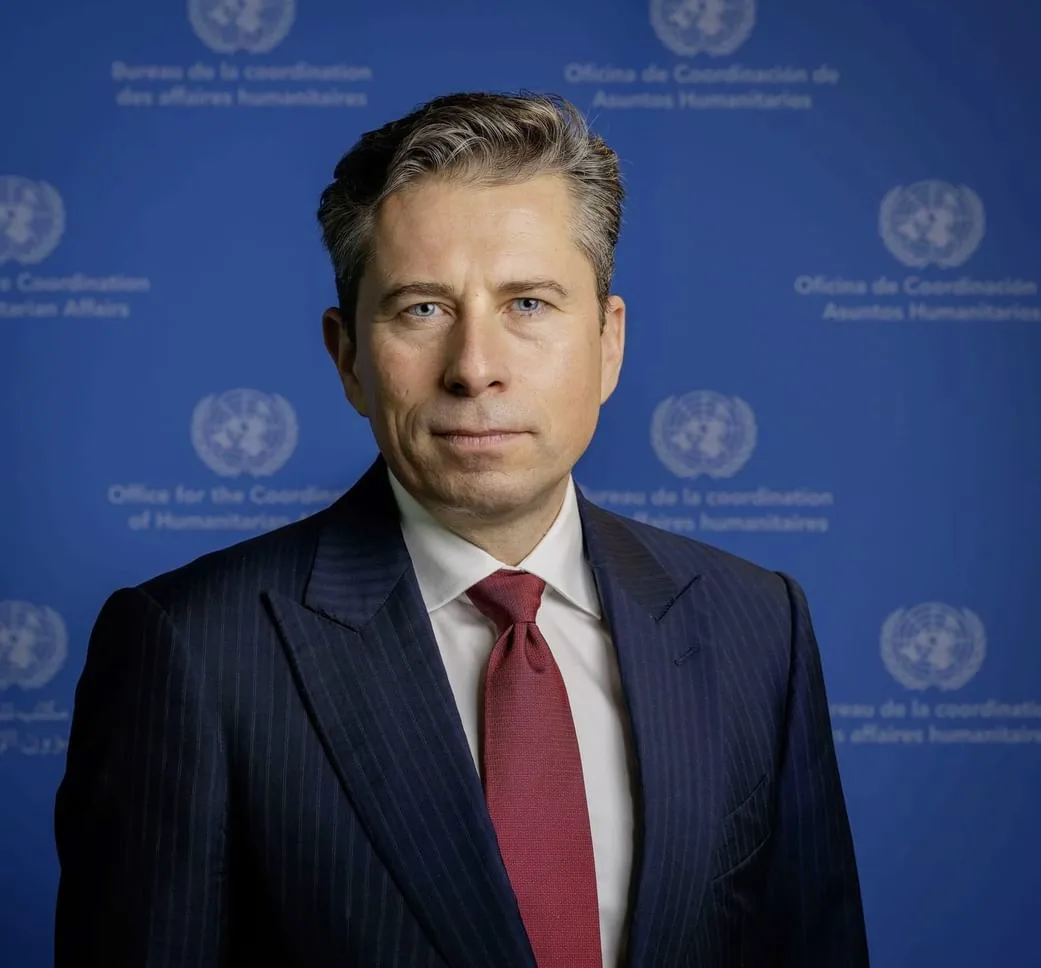
NEW YORK, 11th November, 2025 – Tom Fletcher, UN Under-Secretary-General for Humanitarian Affairs and Emergency Relief Coordinator, has highlighted the pressing need to ease obstacles that are hindering humanitarian operations in the Gaza Strip.
Efforts to Support Civilians Continue
Fletcher stated that the United Nations, along with its partners, has provided food assistance to over a million people. Nutrition sites have been reopened, hospitals are accommodating more patients, and essential roads have been cleared to facilitate aid delivery.
Restoring Essential Services
UN agencies have made efforts to repair water lines, resume basic vaccination campaigns, and distribute winter clothing and blankets. Psychosocial support services have also been provided to residents affected by the ongoing crisis.
Ongoing Challenges
Despite these efforts, Fletcher emphasised that several obstacles continue to impede effective aid delivery. He noted that humanitarian organisations face administrative hurdles, limited access through crossings, and security concerns that restrict the reach of essential services.
“We are working to overcome red tape, enable essential humanitarian partners, open more crossings and routes, and navigate continued insecurity,” Fletcher said, underlining the need for reducing these restrictions to improve civilian conditions and save lives.
Call for Immediate Action
The UN official stressed that easing current restrictions is crucial to allow humanitarian organisations to expand their operations and provide more comprehensive support to the population in the Gaza Strip.