Published on November 04, 2025
- Swap size: KRW 70 trillion (RMB 400 billion)
- Duration: 5 years (Nov 2025 – Nov 2030)
- Previous swap expired: 10 October 2025
- Renewal signed: 1 November 2025
- Venue of summit: Gyeongju National Museum, Gyeongsangbuk-do
- Six MoUs signed, including 2026-30 economic cooperation plan
- Focus: Service trade and investment chapters of Korea-China FTA
Five-Year Lifeline for Trade and Stability
South Korea and China have locked in a massive currency swap worth seventy trillion Korean won for the next five years. The agreement, finalised on 1 November, keeps the same scale and terms as the earlier pact that ended last month.
Central banks of both nations – the Bank of Korea and the People’s Bank of China – put pen to paper to ensure businesses can settle payments in local currencies without dollar headaches. Officials say the move will smooth cross-border trade and shield the region from sudden capital swings.
From Museum Talks to Market Confidence
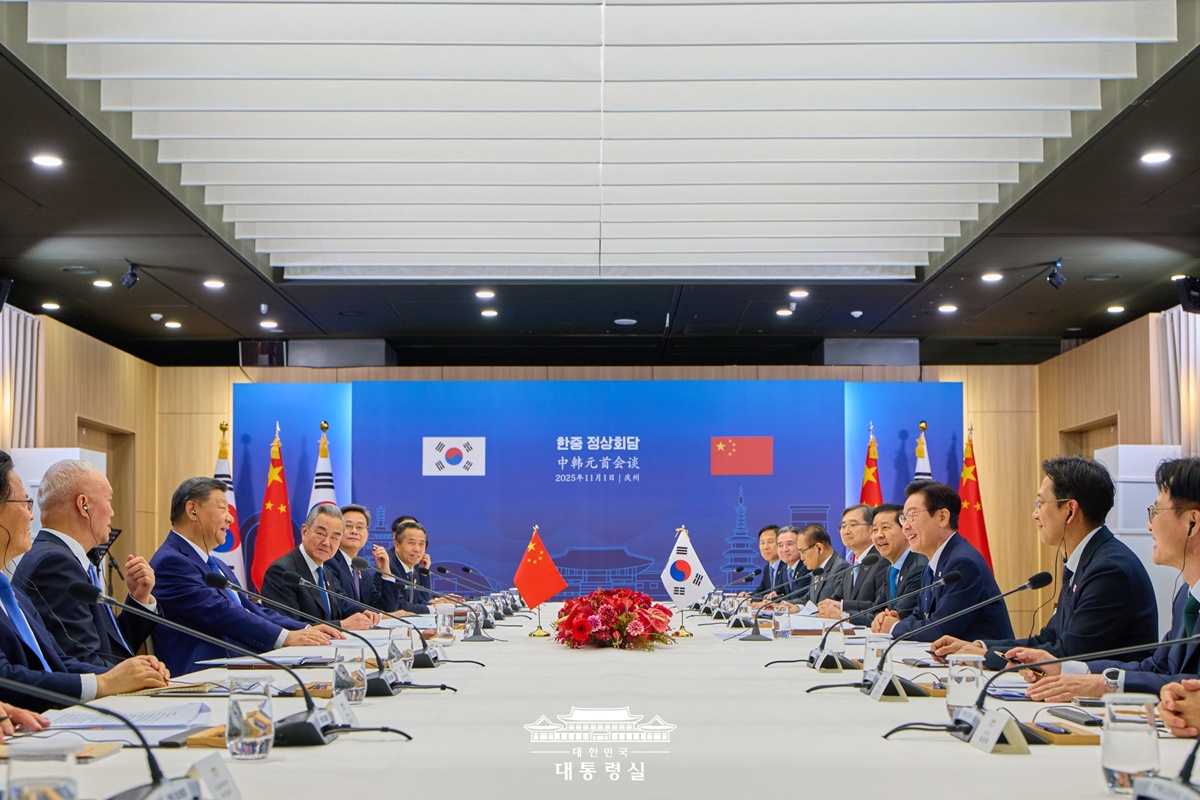
The breakthrough came straight out of a face-to-face meeting between President Lee Jae Myung and President Xi Jinping at Gyeongju National Museum. In under an hour, the two leaders green-lit the swap renewal and cleared the path for deeper economic ties.
Six separate pacts were inked on the spot. The highlight is a detailed five-year economic roadmap running from 2026 to 2030. Another agreement zeroes in on service trade, aiming to fast-track talks on the long-stalled service and investment sections of the bilateral free trade deal.
Why the Swap Matters to Indian Readers
Every Korean smartphone, Chinese battery, or ship built with Korean steel reaches Indian homes faster when Seoul and Beijing keep their financial pipes clear. A stable won-yuan channel also limits wild swings in the rupee, giving Indian importers predictable costs.
With global dollar rates still high, such local-currency lifelines are becoming the new normal across Asia. India, too, has similar arrangements with Japan and the UAE – proof that swapping currencies is now standard toolkit for trade resilience.