Cattle Rearing: A Time-Honored Tradition in Jazan’s Vibrant Landscape
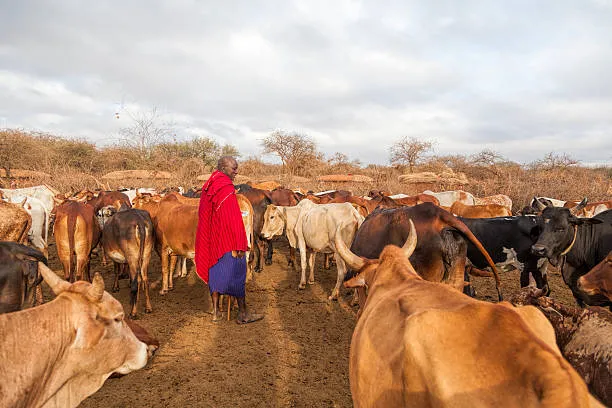
Jizan (Jazan) Region is renowned for its diverse natural beauty, featuring fertile plains, towering mountains, and extensive coastlines. This rich environment supports significant agricultural and livestock production, particularly through cattle rearing, a longstanding tradition in local villages. This practice provides essential food sources of milk, meat, and cheese, benefiting from herders’ expertise and the advantages of rain-fed pastures.
Cattle farms are dispersed across various governorates and villages in the Jazan Region, where livestock primarily graze on natural fodder. Current statistics from the Ministry of Environment, Water and Agriculture (MEWA) indicate approximately 130,161 cattle, underscoring the importance of this activity for local food security. Regional markets in Jazan’s governorates reflect vibrant rural activity with active cattle trading that preserves traditional customs. Prices for calves and cattle vary by age and quality.
MEWA is committed to enhancing livestock wealth and supporting breeders through its regional branches and veterinary clinics. Its initiatives include preventive immunizations, disease diagnosis and treatment, vaccination provision, and pest control. To further assist livestock breeders, the ministry provides financial aid to improve livestock management, increase production, and sustain rural activities. Through the Sustainable Agricultural Rural Development Program (Reef), the ministry aims to boost livestock productivity and marketing, reflecting the state’s commitment to linking traditional practices with sustainable development.
In Jazan, cattle rearing signifies more than economic activity; it embodies the connection between the land and its people, fostering a narrative of continuous giving across generations and balancing humanity with nature.