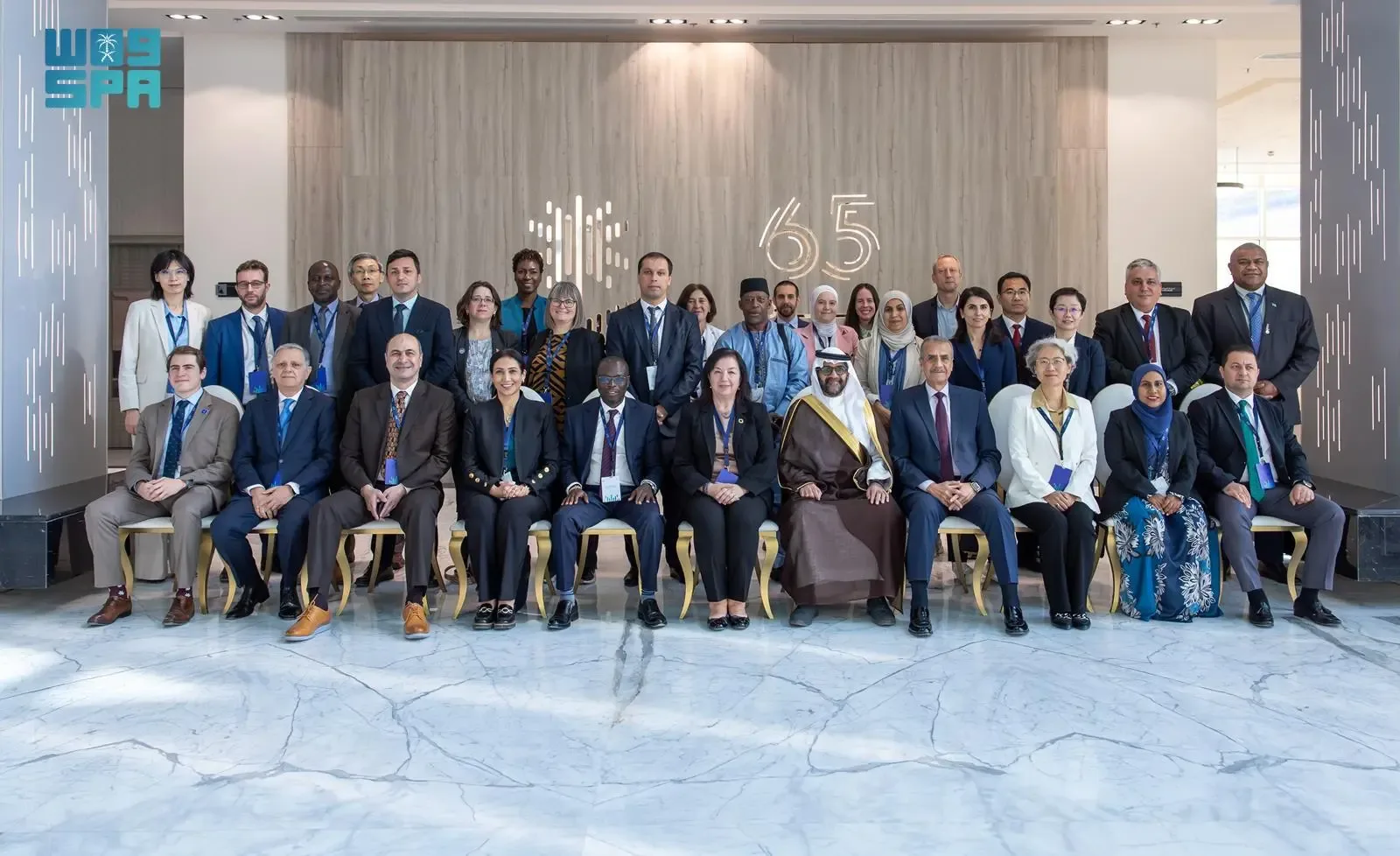
Riyadh, November 11, 2025 – The 40th meeting of the United Nations High-level Group for Partnership, Coordination and Capacity-Building (HLG-PCCB) for statistics in support of the 2030 Agenda for Sustainable Development commenced today at the General Authority for Statistics (GASTAT) headquarters in Riyadh. The event brought together heads of national statistical offices and representatives from regional and international statistical organizations.
Focus on Global Statistical Collaboration
The Kingdom’s hosting of the meeting highlights GASTAT’s expanding role in promoting robust statistical systems and supporting countries in enhancing their data capabilities. Key discussions at the meeting include improving integration across international statistical frameworks, developing national capacities for reliable data production, and exploring methods to increase the use of innovative statistical data.
Preparations for the 6th UN World Data Forum
GASTAT is preparing to host the 6th United Nations World Data Forum through its “Road to Riyadh” program. This year-long initiative includes workshops and panel discussions at local, regional, and international levels, engaging experts and institutions from across the globe. The program aims to foster knowledge sharing, strengthen partnerships, and ensure the sustainability of the forum’s outcomes as a platform for advancing global statistical systems.
Significance of Hosting in Riyadh
Hosting the forum in Riyadh reflects Saudi Arabia’s growing leadership in the field of statistics. The initiative emphasizes fostering international collaborations, integrating cutting-edge statistical technologies, and adopting global best practices to support shared objectives at national, regional, and international levels.