- Mandatory housing order for all poultry and captive birds across England from 6 November 2025
- Order applies to establishments keeping over 50 birds or distributing eggs
- Avian Influenza Prevention Zone (AIPZ) already active across Great Britain
- Enhanced biosecurity measures required for all bird keepers
- Risk to human health from bird flu remains low
- UK Chief Veterinary Officer urges strict adherence to new measures
- Recent housing order extension follows earlier regional restrictions
- Order remains in place until further notice
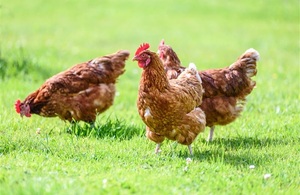
Nationwide Housing Order to Protect Poultry from Bird Flu
From 6 November 2025, a compulsory housing order is in force across England as part of efforts to curb the spread of avian influenza. This move follows rising infection levels in both wild and kept birds, prompting authorities to react decisively.
Rules and Requirements for Bird Keepers
All bird keepers in England, whether managing small backyard flocks or running large-scale commercial farms, must now adhere to tightened housing and biosecurity standards. Under this order, any establishment with over 50 birds, or where eggs are sold or given away, must ensure all poultry and captive birds are housed securely.
The Avian Influenza Prevention Zone, already covering the whole of Great Britain, continues to apply enhanced hygiene measures such as disinfecting footwear, controlling movement on and off farm sites, and maintaining strict cleanliness in bird housing.
Biosecurity and Disease Control Measures
Bird keepers are required to report any drop in egg production, maintain updated livestock records, and take extra precautions to make premises unattractive to wild birds by using deterrents like foils or streamers. These steps are vital to stop any further spread of the virus.
Official Response and Continuing Vigilance
Chief Veterinary Officer Christine Middlemiss acknowledged the challenges posed by these restrictions but stressed their importance. She highlighted earlier experiences where similar measures had successfully reduced infection rates.
While current assessments indicate a low risk to human health, authorities urge all keepers to stay alert for signs of the disease and report suspicions immediately. Fully cooked poultry, eggs, and related products remain safe for consumption.
This housing order and the Avian Influenza Prevention Zone remain in effect until further notice and will be reviewed regularly to assess ongoing risk levels.