Important Facts of the News
- The Railways Bill is being introduced in Parliament on 5 November 2025.
- Great British Railways (GBR) will be a publicly owned body, headquartered in Derby.
- GBR will unify responsibility for track, train services, fares, and revenues.
- A stronger passenger watchdog will be established with investigative powers.
- Fare and ticketing reform includes an all-in-one GBR app and website.
- The bill mandates GBR to grow rail freight through long-term planning.
- Devolved governments and English mayors will have more control over local rail services.
- Accessibility measures include expanded Disabled Persons Railcard criteria and more ‘welcome points’.
Major Step Towards a Simplified Public Rail Network
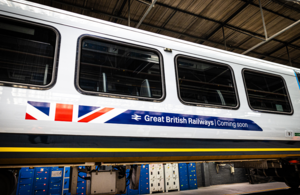
The UK government is moving forward with a major legislative proposal that sets the stage for sweeping changes to the national railway system. Due to be presented in Parliament, the Railways Bill establishes the framework to create Great British Railways, a fully public body entrusted with the operation and oversight of train services and infrastructure.
This new structure aims to replace the current fragmented system of over 17 bodies with a unified service that delivers consistency, clarity, and reliability in both travel and ticketing. With GBR based in Derby, the public entity will control everything from tracks and trains to fares and revenue.
Passengers to Benefit from Single Ticketing System and Watchdog
A key component of the bill is fare and ticketing reform. Under GBR, passengers will eventually use a single website or mobile app for all bookings, eliminating the need to navigate through multiple operator platforms. Tickets will still be available at stations, onboard trains, and via ticket vending machines to ensure accessibility for all.
Reforms also include establishing a stronger passenger watchdog, which will investigate poor services, demand accountability, and create more direct routes for complaint resolution.
Boost for Business, Freight, and Local Rail Authority
The government intends for GBR to support both passenger and freight sectors, with the bill placing a legal duty on GBR to enhance rail freight capacity. This approach offers planning stability to freight operators, potentially boosting investor confidence across the supply chain.
Local authorities will also gain greater influence. English mayors and devolved administrations will have more say in local railway decisions, enhancing regional connectivity.
Improved Rail Accessibility and Support for Disabled Travellers
Alongside the bill, the government is releasing a new accessibility roadmap. It outlines immediate measures for disabled passengers, such as expanding eligibility for the Disabled Persons Railcard and introducing more staffed welcome points across the network. The roadmap also calls for staff training and improvements to essential facilities like lifts and escalators.
Leaders Call Bill a Turning Point
Manchester Mayor Andy Burnham hailed the legislation as a breakthrough for modernising and integrating rail with other transport modes, while Wales Transport Secretary Ken Skates welcomed its commitment to a more accountable and passenger-focused network.
Industry voices such as the Campaign for Better Transport and the British Chambers of Commerce also expressed optimism, pointing to the potential benefits of unified planning and enhanced local engagement in rail delivery.