- First UK cadet cohort started new syllabus in September 2025
- Syllabus revised in 2023, now implemented across nautical colleges
- Includes mandatory training in digital charts, alternative fuels and propulsion, cyber security and data skills
- Part of Cadet Training and Modernisation (CT&M) Programme led by Maritime and Coastguard Agency (MCA)
- Involves UK Chamber of Shipping, Merchant Navy Training Board, seafarer unions, educators
- Follows 2021 Seafarer and Cadet Training Review by Maritime Skills Commission
- MCA oversees standards through assessments and audits
- New app-based electronic Training Record Book recently launched
First Batch Begins Training Under Updated Maritime Curriculum
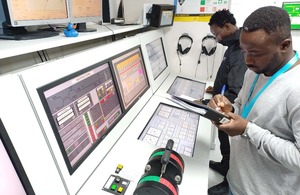
Trainee seafarers in the United Kingdom have started the academic year with a freshly designed study programme, marking them as the initial group nationwide to benefit from this forward-looking curriculum. The updated framework, shaped through collaboration across the sector, aims to align seafaring abilities with current advancements in vessels and operations.
Key Areas of Focus in the Revamped Programme
Classes kicked off this September at marine institutions, incorporating the revised content that was finalised two years earlier and shared with training centres for gradual integration. The curriculum now mandates coverage of electronic navigation systems, eco-friendly energy sources for ships, and protection measures against digital threats along with handling of information.
MCA Drives Industry-Wide Modernisation Effort
The initiative falls under a broader effort to refresh cadet preparation, steered by the government body responsible for maritime safety and standards. This project unites shipping organisations, workforce representatives, and academic bodies to strengthen preparation for those entering the profession.
Experts note this as a landmark partnership where oversight authorities work directly with practitioners to craft educational standards. A digital tool for recording onboard progress has also been introduced as part of these upgrades.
Emphasis on Safety, Welfare and Future Readiness
According to the lead examiner at the coordinating agency, the new structure provides essential competencies for secure and efficient operations while advancing the sector. The content receives periodic updates and has gained support from maritime businesses. It prepares students not only for emerging equipment but also prioritises crew well-being.
The examiner extended good wishes to all newcomers embarking on their professional journeys this term.
Roots in Comprehensive Sector Review
The modernisation drive stems from a detailed examination of training needs initiated four years ago under ministerial direction. The review, conducted by an industry panel, highlighted areas for improvement, leading to the current collaborative platform.
While the regulatory body does not conduct classes itself, it ensures quality through evaluations of learners and routine checks on education providers.