
The Department of Justice has wrapped up a month-long cleanliness and backlog clearance drive with impressive results. Guided by the Department of Administrative Reforms and Public Grievances, the initiative focused on removing delays in official work and giving office spaces a thorough cleanup.
How the Two-Phase Drive Unfolded
The entire effort was split into two clear stages to ensure nothing was missed. The first stage ran from mid-September to the end of that month. During this time, teams went through records and listed every item that needed attention.
Spotting the Backlogs in Phase One
Staff members carefully checked incoming requests and old files. They marked 526 public complaints for quick resolution. Four appeals linked to these complaints were also flagged. On the paperwork side, 82 hard-copy files were picked for review and possible removal. Another 10 digital files were shortlisted for closure.
Officials also noted four parliamentary commitments and three requests from state governments that required follow-up action. Four specific areas inside Jaisalmer House in New Delhi were selected for cleaning and minor upgrades. All these details were entered into the official tracking portal without delay.
Action Time in the Second Phase
The real work began in October. From the second day of the month until the last, every team member focused on finishing the tasks listed earlier. Corridors, lawns, and common areas received special attention during a dedicated cleaning push.
Nearly Everything Cleared on Schedule
By the end of October, the department had settled every pending public complaint and appeal. Most parliamentary commitments were also completed, with only two still in progress. Teams are working to close those soon.
A separate effort targeted unused items. Sixty-six pieces of scrap and 56 electronic waste units were gathered for sale through the government e-marketplace. The auction is expected to bring in around ninety-three thousand rupees and free up roughly three hundred square feet of storage space.
Throughout the drive, updates with pictures showing progress were shared on social media and through official channels. These posts highlighted the changes made in different sections of the office.
Grand Finale with Hands-On Cleaning
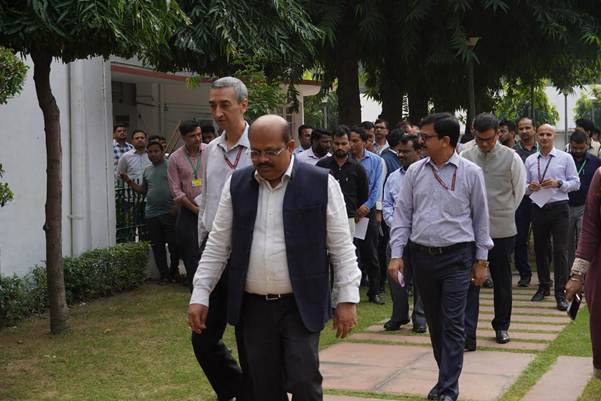
On the final day, everyone joined a voluntary cleaning session at Jaisalmer House. Brooms, dusters, and trash bags were out in full force as staff members tidied up the entire premises. The Secretary of Justice walked through the areas to see the improvements firsthand.
This hands-on event served as a fitting close to the campaign. It reminded everyone that small, regular efforts can keep workplaces neat and work flowing smoothly.
Why Such Drives Matter
Backlogs in government offices can delay justice for citizens. When complaints sit unresolved, people lose trust. Regular campaigns like this one help clear the pile-up and speed up responses. Clean offices also lift staff morale and make visitors feel welcome.
The Department of Justice set a strong example by finishing almost all assigned tasks within the given timeline. The remaining items are minor and will be done shortly. The money earned from selling scrap will go back into public funds, making the effort even more worthwhile.
Other government bodies can learn from this model. Dividing work into identification and action phases keeps things organized. Involving every employee, from top officers to support staff, builds ownership. Sharing progress online keeps the public informed and motivated.
With Special Campaign 5.0 now over, the department can start the new month with a cleaner slate, literally and figuratively. Citizens filing complaints can expect faster replies, and the office environment will stay pleasant for everyone who works there.
Initiatives like these show that administrative efficiency and workplace hygiene go hand in hand. When both improve, the entire system benefits.