
The Ministry of Development of North Eastern Region has shown remarkable dedication in carrying out the latest phase of the nationwide cleanliness and efficiency initiative throughout October 2025. This effort brought together the ministry headquarters and several attached bodies to tackle long pending tasks while promoting greener work environments across the eight northeastern states.
Leadership Push for Lasting Workplace Changes
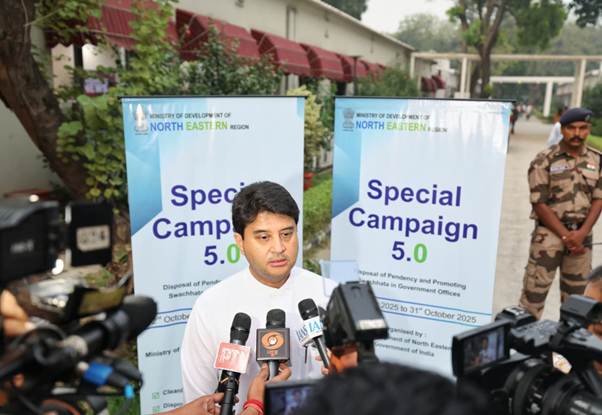
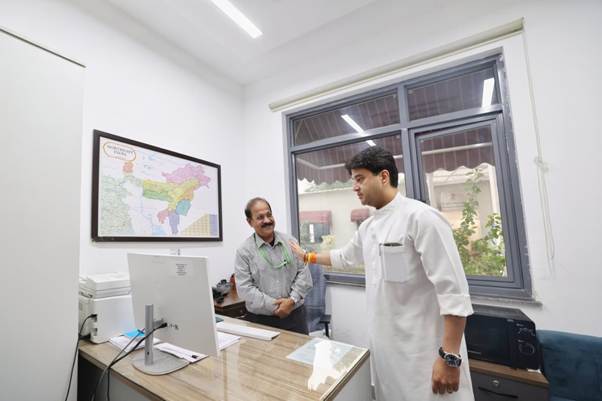
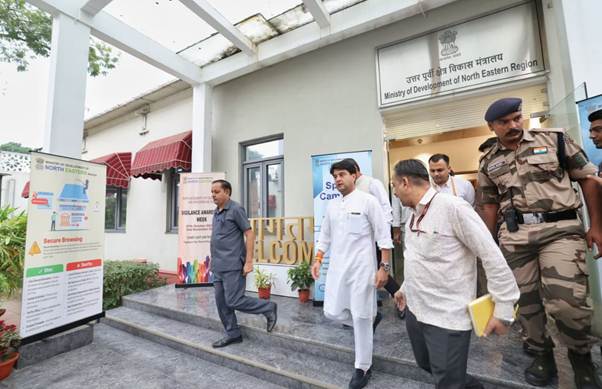
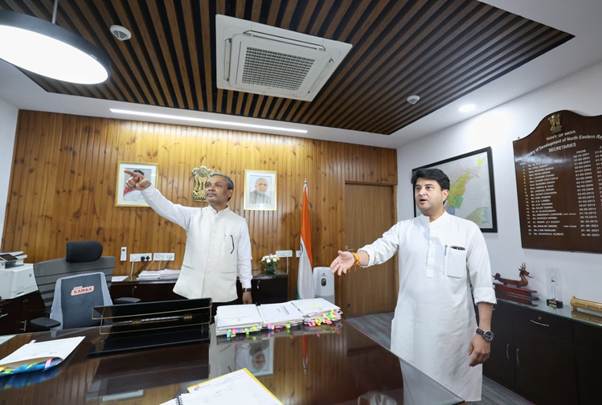
Union Minister Jyotiraditya Scindia made a hands-on visit to the ministry office in New Delhi to assess the ground-level progress. He spent time discussing details with the secretary and senior team members, praising the visible improvements in office upkeep and systematic record handling. The minister stressed that simple habits like reducing paper use, reusing materials, and recycling waste should become part of daily routine long after the campaign ends.
Scindia pointed out that tidy surroundings and quick decision-making directly support better public service. He reviewed digital upgrades in various sections and appreciated the extra hours put in by employees to clear backlogs. His message was clear: every division must keep the same energy to make efficiency a permanent feature of government functioning.
Key Achievements at Ministry Level
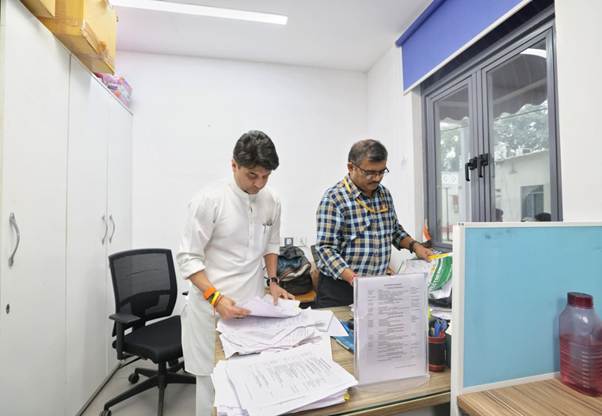
Teams across the ministry organised thirty-six separate cleaning sessions in central offices as well as regional units. They cleared out three hundred fifteen outdated files through proper weeding procedures and examined another two hundred seventeen files to decide their future status. This exercise opened up around three thousand six hundred sixty-four square feet of usable office area.
All forty-six public complaints received during the month were settled completely. Responses to queries from parliament members and state authorities were also finalised without delay. Scrap materials were sold responsibly, bringing in seven lakh eighty-two thousand rupees to the ministry account.
Contributions from Attached Organisations
Several autonomous bodies under the ministry rolled out targeted programmes matching local needs.
North Eastern Development Finance Corporation held cleaning and tree-planting events in Assam, Tripura, Mizoram, and Meghalaya. Workers gathered one hundred fifteen kilograms of discarded items, handed over twenty dustbins to community spots, and shared forty young plants to encourage office greenery.
North Eastern Handicrafts and Handlooms Development Corporation refreshed its Guwahati headquarters through painting and layout improvements. Museum showcases received better lighting and arrangement. A drawing contest for school students on turning waste into useful items sparked fresh ideas among the younger generation.
North East Cane and Bamboo Development Council arranged large community cleaning sessions at a primary school in Meghalaya, a busy market in Assam, and its own campus. Both employees and nearby villagers joined hands, creating wider awareness about keeping shared spaces neat.
North Eastern Regional Community Resource Management Project focused sharply on removing electronic junk and shifting records to digital formats. Between seventy-five and one hundred project folders were scanned and stored electronically. Outdoor cleaning happened at popular Shillong viewpoints and office grounds.
North Eastern Region Agricultural Marketing Corporation sorted electronic waste at its Guwahati base and nearby school premises. Kitchen leftovers now go into compost pits, while printed papers with one blank side are collected for internal drafts. These small steps cut down fresh paper purchase and reduce landfill burden.
Standout Community Initiative in Polluted Industrial Hub
One inspiring story emerged from Byrnihat, the industrial cluster straddling Assam and Meghalaya border. Factories in the area often release dust and fumes, affecting air quality for residents. The cane and bamboo council teamed up with local families for a full-day cleanup that removed heaps of plastic and metal scraps from roadsides and drains.
Volunteers wearing gloves and masks filled truckloads of garbage, leaving the main market area noticeably cleaner. Shop owners promised to maintain daily sweeping schedules. Word of the activity spread to neighbouring villages, prompting similar weekend drives. This ground-up effort showed how government bodies can partner with citizens to tackle tough environmental challenges.
Building a Culture of Responsibility
Numbers tell only part of the story. Staff members across levels report feeling more energised in decluttered workspaces. Digital files load faster, reducing wait times for approvals. Citizens calling the helpline receive quicker resolutions, building trust in government processes.
Field units in remote districts now follow the same checklist for monthly reviews. Simple posters remind everyone to switch off unused lights and segregate dry versus wet waste. Some offices have installed rainwater harvesting units, taking the sustainability message further.
The campaign period may have ended on the thirty-first of October, but ministry circulars already outline quarterly targets for file closure and space audits. Senior officers will conduct surprise checks to ensure standards do not slip. Training modules on e-office tools are scheduled for November to bring even junior staff up to speed.
Looking Ahead for Northeast Development
Clean offices translate into sharper focus on core development goals for the Northeast. When administrative hurdles shrink, funds reach projects faster. Infrastructure contracts, tourism promotion, and skill centres all benefit from streamlined back-end operations.
The success of this cleanliness push reinforces that small, consistent actions by government employees create large-scale impact. From freeing locked storage rooms to planting shade-giving trees, every contribution adds up to a healthier work culture and a greener region.
As the ministry prepares its annual performance report, these campaign outcomes will feature prominently. They serve as practical examples for other departments to adopt similar time-bound drives. Ultimately, the vision remains a Northeast where public institutions lead by example in hygiene, efficiency, and environmental care.