
Have you ever thought about how much fresh produce gets wasted before it reaches your plate? In India, a lot of fruits, vegetables, milk, meat, and fish spoil after harvest because of poor handling or lack of proper storage. This hurts farmers who lose money and pushes up prices for everyone else. To fix this, the government runs a smart program that builds a full cold chain system right from the farm to the shops. It is part of a bigger plan to modernize food handling and make sure less food goes bad.
What the Program Really Does
The main idea is simple: create facilities that keep perishable items cool and fresh at every step. This means setting up cooling units near farms, packing centers, distribution points, and special trucks that maintain the right temperature. Since 2022, the focus shifted away from fruits and vegetables to areas like dairy, meat, poultry, and fish. Those other items now fall under a different plan to avoid overlap and make things more efficient.
A study done a few years back showed that these efforts really cut down waste in milk products, fish, and other sectors. Farmers end up with more in their pockets, and we get better quality food without sudden price spikes.
Goals That Matter to Everyone
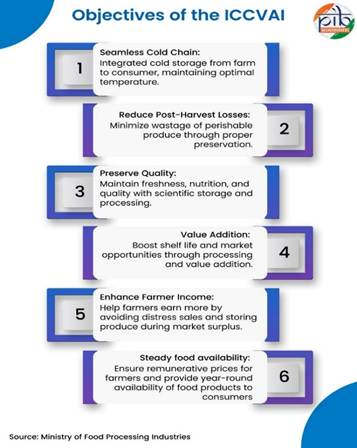
The program wants to stop losses at the source, add value to raw produce, and create jobs along the way. It pushes for modern setups that link farms directly to markets. By doing this, it helps small farmers compete better and keeps food safe for longer periods.
Key Parts of the Setup
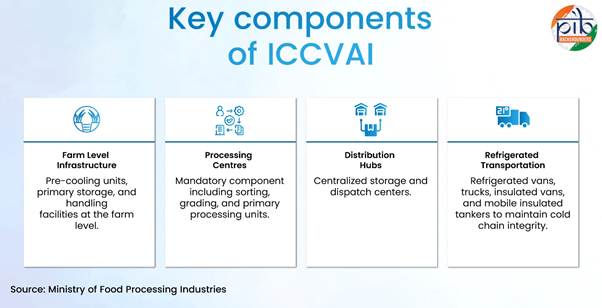
Anyone applying for help must build basic cooling at the farm level and connect it to larger hubs or cooled transport. This includes:
- Pre-cooling rooms right where crops are picked
- Ripening chambers to control maturity
- Pack houses for sorting and packing
- Mobile cooling units for quick use
- Cold storage buildings
- Reefer vans and insulated containers
- Advanced processing plants
All these work together so nothing spoils in transit.
Who Can Join and How
This is open to almost anyone interested. Individual farmers, groups of producers, cooperatives, companies, or even non-profits can apply. The ministry puts out calls for ideas when funds are ready. You do not need state permission for storage, but their help speeds up setting up units.
To make it easier, other government plans pitch in. One supports small cold stores up to 5,000 tons with subsidies of 35 percent in normal areas and 50 percent in tough regions like hills or the northeast. Another offers loans without collateral and lower interest for building storage or processing units.
Money Matters and Support
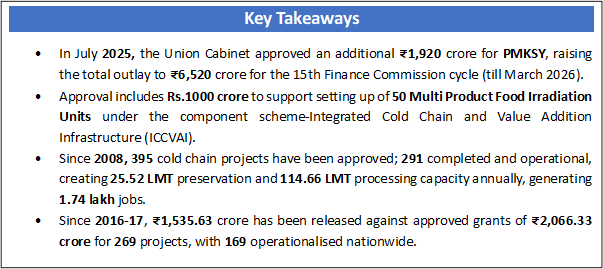
The government covers 35 percent of project costs in regular areas and 50 percent in harder ones, including for scheduled caste or tribe groups and farmer organizations. No single project gets more than 10 crore rupees. In July this year, the cabinet added almost 2,000 crore more, bringing the total to over 6,500 crore until next March. A big chunk, 1,000 crore, goes toward 50 new units that use safe radiation to preserve food longer without chemicals.
What Has Been Achieved So Far
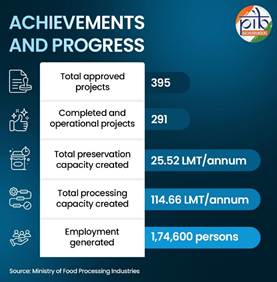
Since the program started in 2008, nearly 400 projects got the green light. Around 290 are up and running, preserving over 25 lakh tons of goods yearly and processing more than 114 lakh tons. This created jobs for 1.75 lakh people. After the big restructure in 2016, over 1,500 crore in grants helped complete 169 projects.
Recent Changes That Make Sense
In 2022, fruits and veggies moved to a separate plan focused on price control. Last year, guidelines added food irradiation units to kill germs and extend shelf life. The newest rules from May this year stress full-chain coverage for non-fruit items, ensuring farmers get fair prices and shops have steady supply all year.
Looking Ahead
The program keeps evolving with new tech like smart sensors for temperature checks or AI to plan routes better. Linking it more with market reforms can bring even bigger wins for farmers. With strong funding and clear rules, it opens doors for everyone from a single grower to big firms to build reliable systems. Less waste means more income at the farm and affordable fresh food on tables. It is a practical step toward stronger food security and rural growth.
If you are a farmer or run a small business in food, check how this can work for you. The setup is demand-based, so real needs drive the projects.
Focused keyword: Integrated Cold Chain and Value Addition Infrastructure
Meta description: Integrated Cold Chain and Value Addition Infrastructure reduces waste in dairy, meat, and fish sectors while helping farmers earn better. Learn the latest updates.