
India’s rural areas hold the key to a strong democratic system, with villages playing a central role in the nation’s progress. More than six lakh villages are home to a majority of the population, making local self-governance essential for development and accountability. The gram sabha stands as a vital platform where villagers directly influence decisions on local matters, ensuring openness and community involvement.
However, young people often stay away from these village meetings due to lack of knowledge or opportunities to get involved. With India boasting the biggest youth demographic globally, getting them active in community decisions is crucial for realizing ambitious national goals. This engagement can make local democracy more inclusive and effective.
Understanding the Model Youth Gram Sabha Initiative
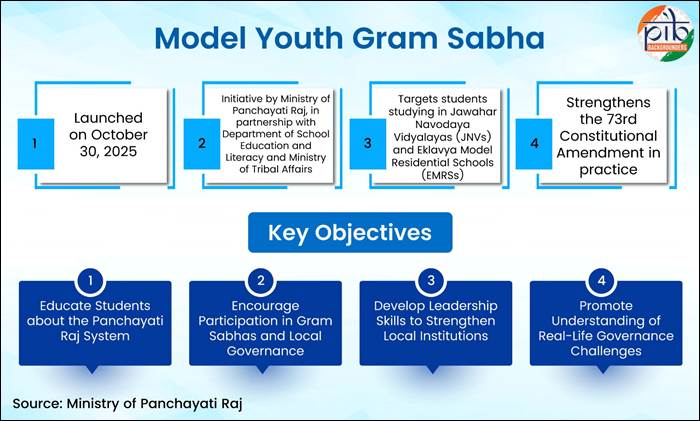
The government has introduced an engaging program called Model Youth Gram Sabha to spark interest in civic duties among schoolchildren. This effort, led by the Panchayati Raj Ministry along with school education and tribal affairs departments, gives students a real taste of how village-level governance works. It focuses mainly on pupils from Jawahar Navodaya Vidyalayas and Eklavya Model Residential Schools.
These schools cater to bright kids from countryside areas. Jawahar Navodaya Vidyalayas offer top-notch education to rural talents without considering family income, covering academics, culture, and sports. Eklavya Model Residential Schools target tribal students in far-off regions, providing quality schooling from upper primary to senior levels to help them compete equally.
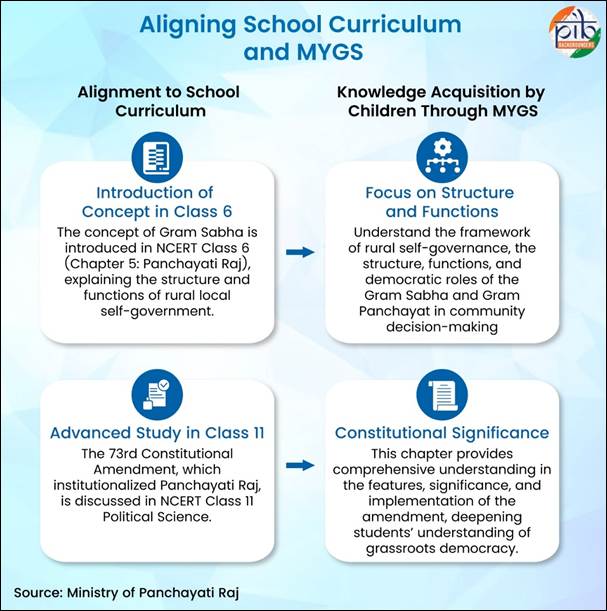
Through this program, children act out roles in mock village assemblies. They debate issues, build agreements, and make choices just like in actual gram sabhas. This hands-on approach helps them grasp the Panchayati Raj setup, which operates at village, block, and district tiers thanks to the 73rd amendment to the Constitution.
How It Connects with National Education Policy 2020
This youth-focused activity fits perfectly with the goals of the National Education Policy 2020. The policy stresses teaching students about their constitutional duties and fostering a sense of national pride. It aims to prepare learners for a dynamic world by building skills in human rights, sustainability, and responsible living. By involving kids in governance simulations, the program cultivates these qualities early on.
Core Goals of Model Youth Gram Sabha
The main aim is to teach students about the Panchayati Raj structure through active participation. It builds abilities like speaking in public, thinking critically, and working together. Kids learn the importance of fairness, responsibility, and clear processes in local administration.
Specific targets include explaining the three-level Panchayati Raj system, urging students to join real village meetings, and developing their leadership potential. The program also lets them tackle genuine local problems, turning them into thoughtful contributors to society.
At its heart, the vision is to raise confident young citizens who care about others and take part in democracy for balanced growth. It promotes empathy, fair decisions, and social duty while sharpening skills in leading, communicating, and analyzing situations. Students gain better knowledge of village governance and goals for local sustainable progress.
Running a Simulated Village Meeting
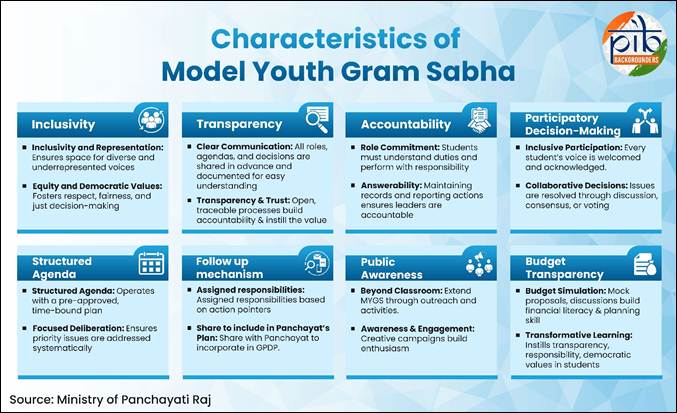
In these school events, children assign themselves positions like village head, council members, or committee leaders. Others play secretaries, helpers, health workers, or representatives from various community groups. They prepare agendas ahead, send out notices, and share details widely, mimicking real procedures.
The session starts with welcomes, reviews of previous actions, updates on ongoing work, and talks on new plans. Finance discussions cover budgets, available money, cost estimates, and ways to find extra funds. Students suggest creative ideas for earning local revenue.
Voting decides outcomes, followed by summaries and official notes. This structured flow teaches orderly conduct and collective resolution.
Step-by-Step Rollout and Support System
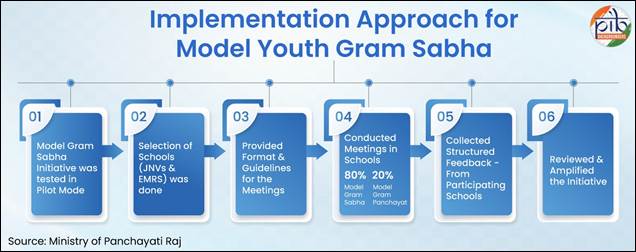
Early trials happened in select schools during March and April 2025, with guidelines and videos explaining the full process. Most schools held gram sabha simulations, while some focused on panchayat meetings. Feedback led to improvements in the operating guidelines for wider adoption.
By July 2025, schools were chosen, and training for two hundred educators occurred over the next couple of months. Practice sessions took place in places like Baghpat in Uttar Pradesh and Alwar in Rajasthan from August to September.
Regional contests are underway in five zones through October and November, picking five teams each from the two school types for nationals. The grand event in December will honor the top three groups.
A detailed module guides the process, based on meaning, learning, enjoyment, and pride. It includes trainer handbooks with clear steps, teacher resources with visuals for easy understanding, and tools to measure success before, during, and after events. Special markers highlight outstanding schools.
Financial Aid and Rewards
Each school gets twenty thousand rupees once for organizing a practice session, covering setup and snacks. Students receive recognition certificates from the ministry to boost their interest in governance.
Top regional teams get small cash prizes for school use. National winners share larger awards, also for institutional growth. Travel help is provided for finalists attending the central competition.
Anticipated Benefits and Long-Term Impact
This effort is set to increase student involvement in local decisions, inspire them to lead in community roles, and give voice to their ideas on village challenges. It motivates youth to join actual panchayat activities.
Overall, it bridges the divide between young people and rural administration. By building awareness and skills, the program equips the coming generation to support India’s democratic path and growth story effectively.
With villages at the core of national strength, initiatives like Model Youth Gram Sabha ensure a vibrant future. They turn students into proactive citizens ready to shape inclusive communities.