
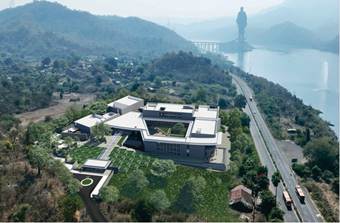
Prime Minister Narendra Modi marked a significant moment in preserving India’s royal past by placing the foundation stone for the Museum of Royal Kingdoms of India on 31 October at Ekta Nagar in Gujarat. Located close to the iconic Statue of Unity, this new institution aims to bring alive the stories of princely states and their role in building a united nation. With a budget of ₹367 crore, the project spans five acres and promises to become a major draw for history enthusiasts and families alike.
A New Home for India’s Princely Heritage
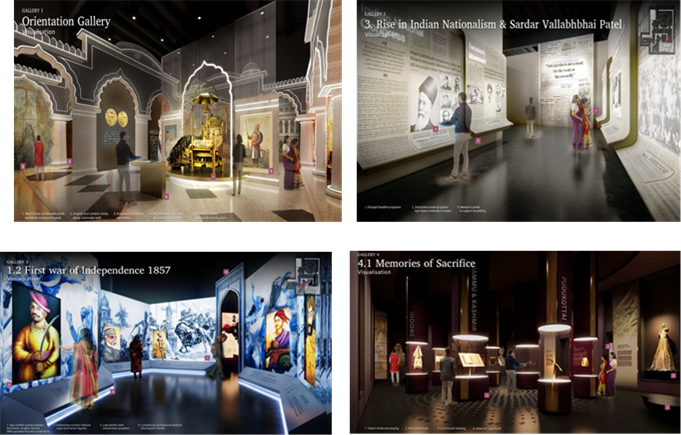
The museum will stand as a dedicated space to showcase the grandeur and contributions of various dynasties that once ruled different parts of the country. Visitors can expect to see a wide collection of royal items, including crowns, clothing, old writings, artwork, and official records from numerous kingdoms. The setup includes four special sections that blend physical displays with modern technology to make learning about history both fun and informative.
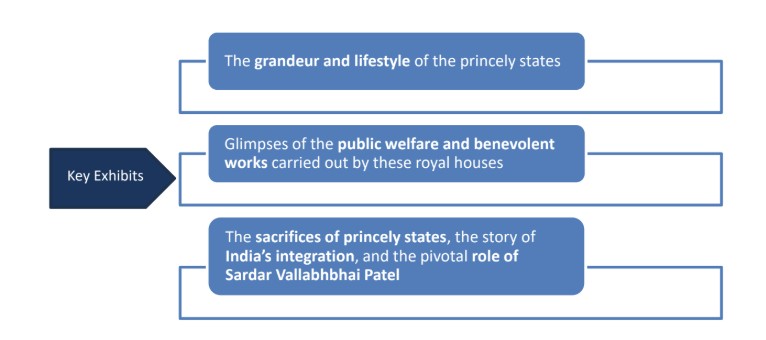
This initiative draws inspiration from the goal of passing on values like togetherness and dedication to younger people. By highlighting how different rulers came together to form one country, the museum seeks to strengthen the sense of national pride. It also aligns with recent education guidelines by offering hands-on activities that let guests interact with the past in meaningful ways.
The Journey to a Unified Nation
When India gained freedom in 1947, the land was divided into areas under direct British control and more than 550 independent princely states. Bringing these regions into a single union ranks among the biggest successes after independence. Sardar Vallabhbhai Patel, who served as Deputy Prime Minister and Home Minister, played a key role in this process. He convinced the rulers to sign agreements that merged their territories with India.
By 1949, almost every princely state had become part of the new republic through peaceful talks and smart diplomacy. This approach highlighted India’s commitment to inclusion and building a strong country without conflict. The museum will tell this story in detail, showing how individual kingdoms contributed to the larger picture of governance and culture.
What Visitors Can Look Forward To
The building design fits seamlessly with the surrounding nature, featuring water features, open courts, and green spaces that recall traditional royal gardens. Guests will walk through landscaped paths before entering the main areas, creating an atmosphere of elegance from the start. At the end of the tour, a cafe will offer dishes inspired by court recipes, giving people a chance to relax and discuss what they have seen.
The four galleries are planned to guide visitors step by step through different aspects of royal life and integration:
- First Section: A welcoming area with videos and sound stories that explain the overall theme and prepare guests for the journey ahead.
- Second Section: Focuses on ruling families, their administrative methods, customs, public welfare programs, and bonds with subjects.
- Viewing Area: A spot to pause and enjoy wide sights of the Statue of Unity and the flowing Narmada River.
- Third Section: Covers the key events, papers, and decisions that led to the merging of states into India.
- Fourth Section: A grand hall displaying emblems and marks from every princely state, paying tribute to their part in national unity.
More Than Just Displays
Beyond exhibits, the museum will function as a hub for study and conservation. Experts can access materials for research on India’s monarchical and democratic traditions. School groups and tourists will find programs that make complex history easy to understand. Digital screens and touch-based setups will allow people to explore timelines, view rare documents up close, and even simulate historical decisions.
The location near the Statue of Unity adds extra appeal, as visitors can combine trips to both sites. Ekta Nagar already attracts millions who come to see the tribute to Sardar Patel, and this new addition will extend their stay while deepening their knowledge of the unification era.
Why This Museum Matters Today
In a time when stories of division often make headlines, remembering how India overcame fragmentation offers valuable lessons. The princely states varied in size, language, and traditions, yet they chose to join hands for a common future. This museum will keep those examples alive, showing that diversity can strengthen rather than weaken a nation.
Families planning trips to Gujarat should note this upcoming attraction. Once open, it will provide a full day of exploration, blending education with entertainment. The mix of outdoor beauty, indoor technology, and culinary delights ensures something for every age group.
 Construction is set to move forward quickly, with teams working to maintain high standards in both structure and content. The final result will honor the rulers who put country above personal power and celebrate the vision of leaders like Sardar Patel who made unity possible.
As India continues to grow, spaces that connect the past with the present become essential. The Museum of Royal Kingdoms of India fits this need perfectly, turning historical facts into inspiring experiences. Keep watching for updates on opening dates and special events.