
Publish date: 28 October 2025
What Each State Gets
Let us break it down state by state so it is easy to follow.
Telangana: Full Coverage for Key Crops
In Telangana, the government will buy every single kilo of urad produced. That is 100 percent procurement. For moong, they have okayed purchase of 4,430 metric tonnes, which makes up 25 percent of the state output, costing ₹38.44 crore. Soybean also gets 25 percent coverage. Farmers here can breathe easy knowing the market risk is off their backs.
Odisha: All Arhar Locked In
Odisha farmers growing arhar have reason to smile. The plan covers 100 percent of the state production, that is 18,470 metric tonnes, at a cost of ₹147.76 crore. No farmer will be left worrying about low prices this season.
Maharashtra: Biggest Ever PSS Drive
Maharashtra takes the cake for the largest procurement under the Price Support Scheme. The state will see:
- 33,000 MT of moong worth ₹289.34 crore
- 3,25,680 MT of urad worth ₹2,540.30 crore
- 18,50,700 MT of soybean worth ₹9,860.53 crore
Add it up and Maharashtra alone gets over ₹12,000 crore in procurement value. That is a game-changer for rural economies.
Madhya Pradesh: Soybean under PDPS
Madhya Pradesh goes the Price Deficiency Payment route for soybean. The approval covers 22,21,632 metric tonnes with a budget of ₹1,775.53 crore. Farmers will get the difference if market prices dip below the support level. Simple and direct.
Why This Matters to Farmers
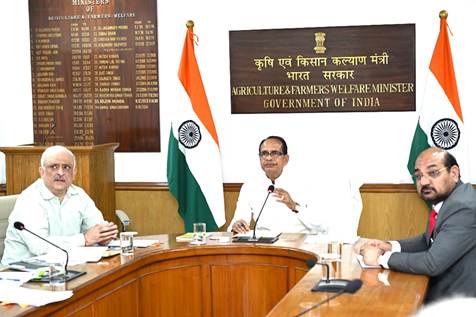
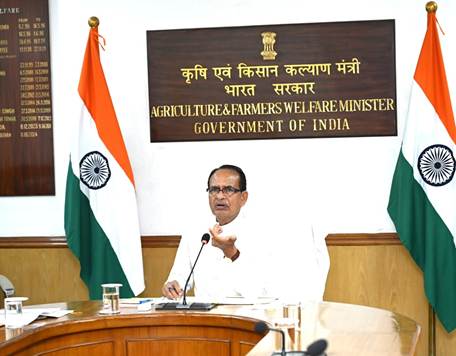
Shivraj Singh Chouhan made it clear, the cash must land in farmers pockets without middlemen eating into it. He asked states to keep a hawk eye on the entire process. Agencies like NAFED and NCCF will handle full procurement of tur, urad, and masoor nationwide. The idea is to make India self-reliant in pulses so we do not keep importing year after year.
Think about it. When a farmer knows the government will buy at a fixed price, he plants more, tries new seeds, and invests in better practices. That lifts the whole village. Children go to school, homes get electricity, and the local shop sees more customers. It is a ripple effect.
How the Schemes Work
Two main umbrellas cover this operation. First, the Price Support Scheme (PSS) under PM-AASHA. Here the government buys directly when market prices crash. Second, the Price Deficiency Payment Scheme (PDPS). Farmers sell in the open market, but if the price is lower than the promised rate, the difference lands in their bank accounts. Both routes shield income without distorting the market.
Chouhan pointed out that Prime Minister Narendra Modi keeps farmer dignity at the top of the agenda. Record procurement levels this Kharif season will push production, secure incomes, and inch us closer to Atmanirbhar Bharat in food grains.
What Happens Next
State governments will now tie up with procurement agencies, open purchase centres, and start farmer registration. Keep an eye on local announcements for dates and centres. If you are a farmer in any of these states, get your documents ready, Aadhaar, bank details, land records. The sooner you register, the smoother the payout.
This is not just about money. It is about respect. Farmers feed the nation, and now the nation is stepping up to feed their families. Small steps like these add up to a stronger rural India.
Stay updated with pessnews.in for every development on the ground. We will track how many centres open, how fast payments happen, and what farmers have to say. Because at the end of the day, their stories matter more than the numbers.