
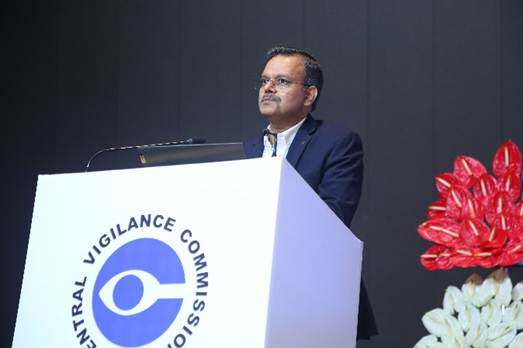
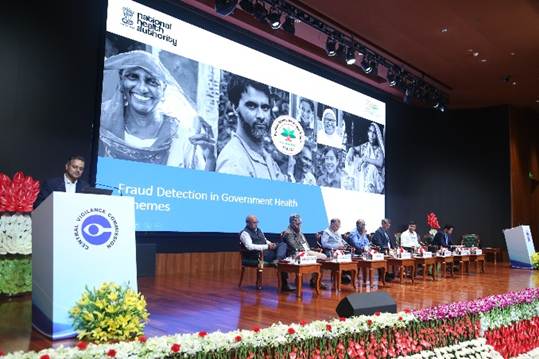
The National Health Authority recently highlighted its advanced application of artificial intelligence to enhance fairness and openness in India’s growing digital healthcare framework. This demonstration took place during a special event hosted by the Central Vigilance Commission in New Delhi, marking Vigilance Awareness Week 2025.
How AI is Changing Healthcare Delivery in India
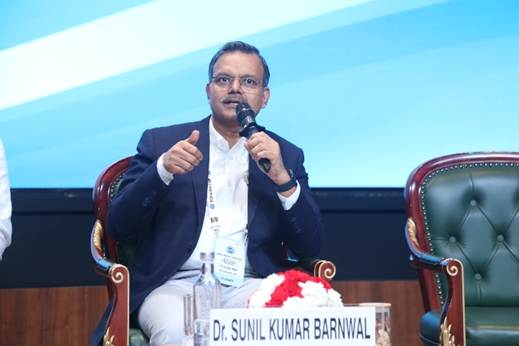
Dr. Sunil Kumar Barnwal, the chief executive officer of NHA, took center stage to explain the shift happening in public health programs. He pointed out that smart systems are moving the focus from catching fraud after it occurs to stopping it before it starts. This change ensures that government funds reach the people who truly need them under major schemes like Ayushman Bharat Pradhan Mantri Jan Arogya Yojana and the Ayushman Bharat Digital Mission.
During his talk, Dr. Barnwal stressed that these technologies are making the country’s massive health protection plan more reliable. Every step of patient care now benefits from better oversight, leading to fairer access for millions of citizens across the nation.
Real-Time Monitoring Through Smart Tools
The authority has built systems that scan transactions instantly to spot unusual patterns. Machine learning models analyze vast amounts of data from hospitals, insurance claims, and patient records. When something looks off, alerts trigger immediate checks. This approach has already helped recover misused funds and block fake claims worth crores of rupees.
Traditional methods relied on manual audits that often came too late. Now, predictive algorithms forecast risks based on past trends. Hospitals with higher error rates receive targeted training, while repeat offenders face strict penalties. The result is a cleaner ecosystem where genuine patients get priority treatment without delays.
Key Discussions at the Vigilance Workshop
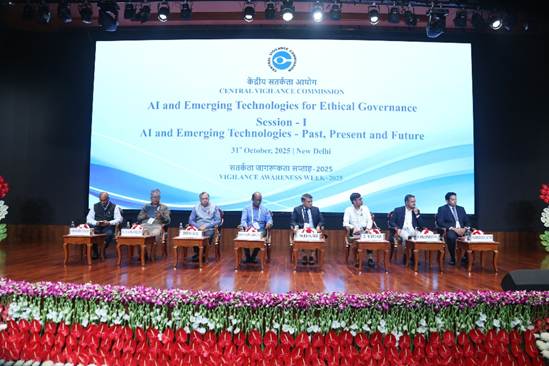
The two-day gathering at Bharat Mandapam brought together top government officers, technology specialists, and policy makers. They explored ways to weave artificial intelligence into daily operations across departments. One session traced the journey of these tools from early experiments to current large-scale use. Another focused on building safeguards that work ahead of problems rather than fixing them later.
Participants shared success stories from different sectors. In healthcare, the emphasis stayed on creating trust through open data practices. Attendees learned how shared digital health IDs under ABDM make verification simpler and reduce paperwork errors that sometimes hide wrongful billing.
Building a Stronger Digital Health Network
India’s digital health mission connects clinics, labs, pharmacies, and insurers on a single platform. AI layers on top add intelligence to this network. For instance, when a patient visits multiple facilities, the system cross-checks records to prevent duplicate charges. It also flags treatments that fall outside standard protocols, prompting reviews by medical experts.
Privacy remains a top concern. All personal information stays encrypted, and access logs track every view or change. Patients can see who looked at their files and why. This openness builds confidence among users who were earlier wary of sharing sensitive details online.
Future Steps for Preventive Healthcare Management
Looking ahead, NHA plans to expand its AI toolkit. Upcoming features include voice analysis for teleconsultations and image recognition for scanned documents. Pilot projects in rural areas test mobile apps that guide community health workers in spotting early warning signs of fraud at the grassroots level.
Training programs are rolling out nationwide. Frontline staff learn to interpret AI-generated reports and act on them swiftly. Partnerships with technical institutes ensure continuous upgrades to match evolving threats. Regular feedback from state governments helps fine-tune algorithms for regional variations in healthcare delivery.
Impact on Everyday Citizens
For the average Indian, these developments mean quicker claim settlements and fewer out-of-pocket expenses. A farmer in Uttar Pradesh or a daily wage worker in Tamil Nadu no longer worries about hospital bills eating into savings. The assurance that only eligible treatments get covered encourages more people to seek timely medical help.
Women and children benefit most from targeted interventions. Maternity care packages under the scheme now reach remote villages with verified providers. Pediatric claims undergo extra scrutiny to guard against inflated charges for routine vaccinations.
Overall, the integration of smart technology is proving that large public programs can run efficiently without corruption. As more states adopt these practices, the vision of universal health coverage moves closer to reality. The vigilance workshop served as a reminder that ethical use of innovation strengthens democracy by protecting taxpayer money and human lives alike.
The commitment shown by NHA sets an example for other sectors. From education scholarships to pension disbursements, similar models could eliminate leakages and restore public faith in government services. The road ahead involves sustained investment in skills, infrastructure, and inclusive policies that leave no one behind.