
A Bright Spot in a Slowing Global Market
While many countries are shutting down old refineries, India is moving full speed ahead. The minister pointed out that the world energy market is growing slowly, but India will drive almost one-third of the new demand in the years ahead. Right now, our refineries handle around 258 million metric tonnes of oil every year. By 2030, that number will climb to 310 million metric tonnes, and longer plans aim for 400 to 450 million metric tonnes. This growth will push India into the top three refining nations worldwide.
Many older refineries abroad are closing, more than 100 by 2035. That creates a big opportunity for India to fill the gap and supply fuel to markets across the globe.
Biofuels Success and Faster Targets
Remember when blending ethanol with petrol was just a small experiment? India started with a 5 percent goal back in 2006. Fast forward to 2022, and the country hit 10 percent blending five months early. The government then shifted the 20 percent target from 2030 to the financial year 2025-26. Clear policies and solid support from farmers, factories, and fuel companies made this possible. It shows India can set tough goals and actually achieve them.
World-Class Refineries Ready for Export
Indian refineries are not just big, they are smart and connected to global markets. The country ranks fourth in refining capacity and sits among the top seven exporters of petroleum products. Last financial year, exports reached over 50 countries and brought in more than USD 45 billion. The sector adds nearly one-fifth of national revenue. Both government and private companies are posting strong profits and smooth operations.
Daily oil use inside the country has jumped from 5 million barrels in 2021 to 5.6 million barrels now, and it will soon touch 6 million barrels. A growing economy and higher income per person are driving this steady rise.
Petrochemicals: The Next Growth Engine
Refineries are no longer just about fuel. They are linking up with petrochemical plants to create higher-value products. India currently uses petrochemicals at only one-third the global average, so there is huge room to grow. The petrochemical intensity index has already moved from 7.7 percent to 13 percent. New refinery projects are designed as integrated complexes, which means better efficiency, more jobs, and stronger exports.
Made in India: Cutting Imports Smartly
Across the energy chain, India has replaced almost 80 percent of imports with local products. A few high-tech items like catalysts still come from abroad, but the focus is on smart self-reliance. The government launched the Production Linked Incentive scheme and set up a National Centre for Catalyst Research to boost home-grown technology and manufacturing.
Green Hydrogen Takes Off
One of the most promising areas is green hydrogen. Recent bids by Indian Oil and Hindustan Petroleum brought the cost down from USD 5.5 per kilogram to around USD 4. This makes it closer to everyday use. Green hydrogen, along with natural gas and biofuels, will power the shift to cleaner energy. The Global Biofuels Alliance is helping countries trade biofuels, including fuel for aircraft that cuts emissions.
Balanced Path to Sustainability
Traditional fuels will stay important for decades, but their share will drop gradually. Natural gas will rise from 6 percent to 15 percent of the energy mix. Renewables are expanding fast, and green hydrogen is scaling up. All these steps keep energy secure while meeting climate promises.
From the historic Digboi refinery in 1901 to modern mega-plants, India has come a long way. Reforms after 2014 opened doors for investment and innovation. Projects like the Barmer Refinery and Andhra Refinery are moving ahead quickly. Over 100 biogas plants are running, with 70 more on the way, linking farms, waste, and energy.
Looking Ahead to a USD 10 Trillion Economy
As India aims for a USD 10 trillion economy, the energy sector will supply homes, factories, and global customers. By 2035, the country could jump from fourth to second place in global refining. A young population, rising demand, and forward-thinking policies will make sure India does not just follow the world energy trends, it will lead them.
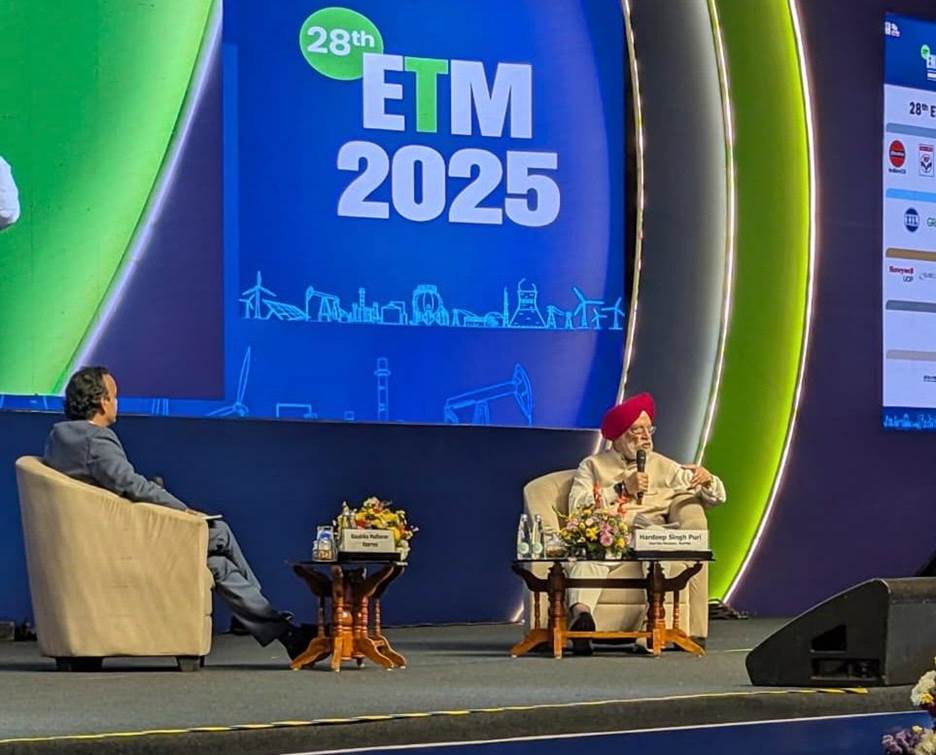
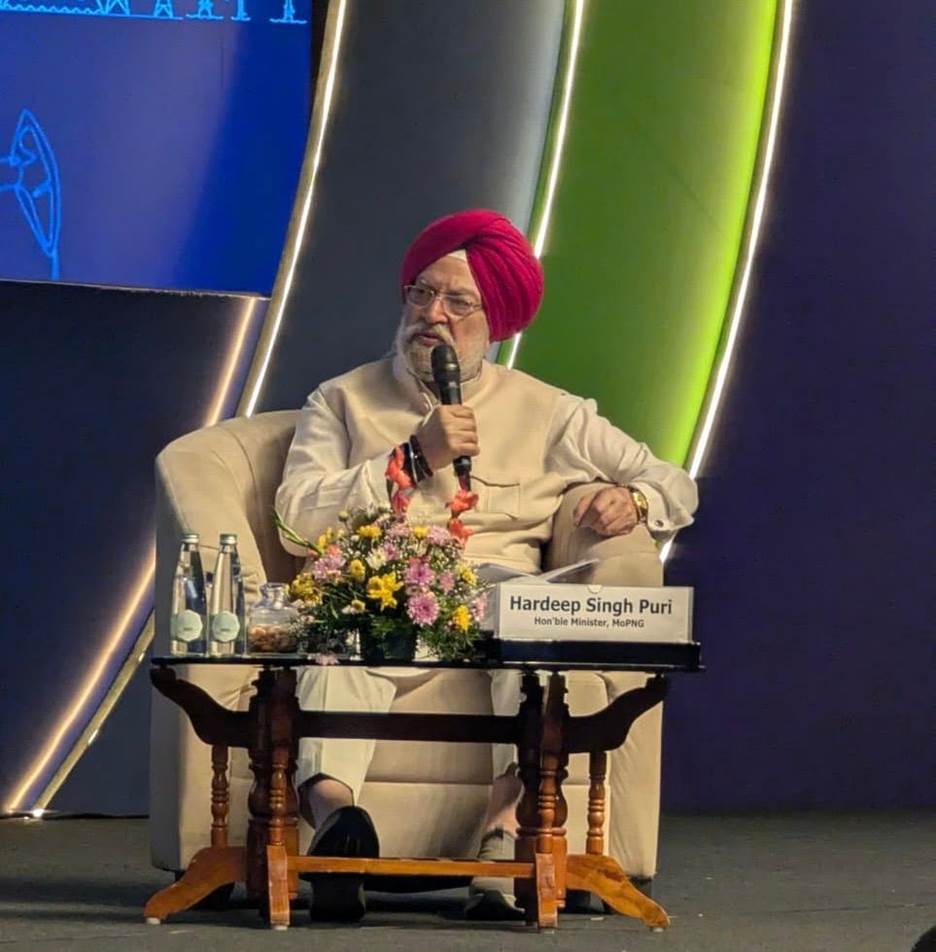
The Hyderabad meet brought together experts, companies, and policymakers to share ideas and speed up this journey. With steady investment and fresh technology, India’s energy story is only getting started.
Focused keyword: india refining hub
Meta description: India refining hub: Minister Puri outlines massive capacity growth, biofuel wins, and green hydrogen progress to lead global energy by 2035.