
The natural wealth of Northeast India offers a strong foundation for the country’s overall progress. Union Minister Dr Jitendra Singh shared this view during a recent event in Mizoram focused on aromatic and floricultural crops. He pointed out how scientific methods are changing village life and creating lasting income sources in the region.
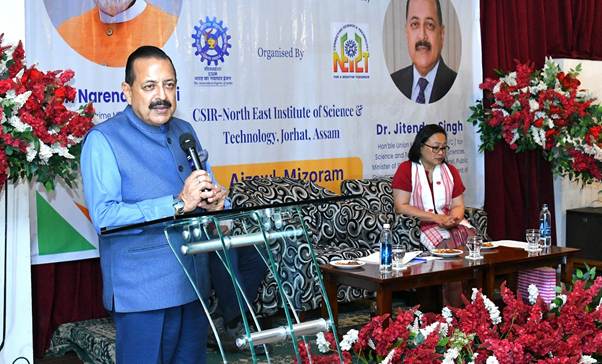
Science Boosts Rural Earnings in the Northeast
Dr Singh, who handles key portfolios in science and technology, spoke at a gathering organized by CSIR-NEIST. The meet brought together farmers, business owners, and young people to distribute high-quality planting materials. He praised the institute for guiding locals to grow medicinal and aromatic plants that fetch good prices in the market.
The minister explained that the Northeast enjoys diverse plant life and suitable weather patterns. These advantages position the area to lead in industries based on valuable crops. Government plans aim to turn the region into a center for farm-based businesses by combining new research with age-old farming techniques.
Learning from the Purple Revolution Success
Dr Singh drew attention to the achievements in Jammu and Kashmir where lavender farming sparked a major shift. Known as the Purple Revolution, this effort showed how targeted cultivation can open doors to jobs and startups. He encouraged people in Mizoram and nearby states to adopt similar approaches with crops such as citronella, lemongrass, and patchouli.
These plants respond well to local conditions and meet growing demand from industries. Farmers who switch to them often see higher returns compared to traditional crops. The minister noted that blending science with regional strengths creates fresh opportunities for everyone involved.
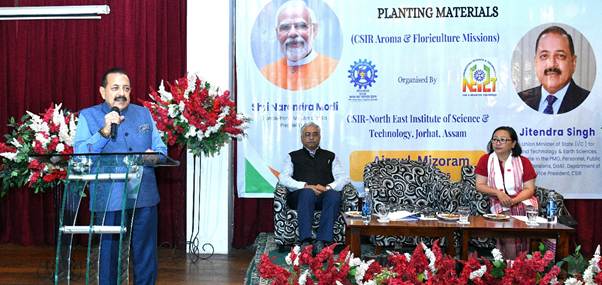
Building an Aroma and Floriculture Powerhouse
Under the CSIR Aroma Mission and Floriculture Mission, various programs support growers at every step. From providing strong saplings to teaching processing methods, these initiatives help increase earnings. Women and youth benefit greatly as they take active roles in cultivation and related activities.
The event in Mizoram saw the handover of materials for lemongrass, chamomile, anthurium, marigold, and more. Bee boxes were also given out to encourage apiculture alongside plant farming. This integrated setup raises productivity and adds extra income streams for rural families.
Dr Virendra M. Tiwari, who leads CSIR-NEIST in Jorhat, shared details on ongoing work across the Northeast. The institute focuses on practical solutions that fit local needs. State officials, including Mizoram’s Agriculture Secretary Mrs. Ramdinliani, joined the discussions and highlighted collaborative efforts.
Empowering Communities Through Knowledge
CSIR-NEIST operates in multiple states to spread awareness and skills. By promoting high-value crops, it fosters small-scale industries in villages. This approach reduces dependence on distant markets and builds self-reliance among farmers.
Looking ahead, a hands-on training session is scheduled for October 30, 2025, at KVK Mamit in Lengpui. Experts will demonstrate cultivation techniques and share tips on getting the best yields. Such programs ensure that knowledge reaches those who need it most.
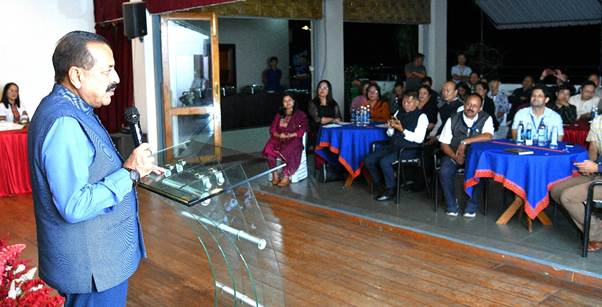
Aligning with National Development Goals
These efforts fit into the broader aim of a developed India by 2047. By lifting rural economies, the missions contribute to inclusive growth. Aromatic oils and cut flowers from the Northeast can compete globally, bringing in foreign exchange and creating pride in local produce.
Entrepreneurs who process raw materials into essential oils or dried flowers add value and employ more hands. This chain of activities strengthens the entire ecosystem. Government backing through research and funding makes scaling up feasible for small players.
The minister stressed that every stakeholder plays a part. Farmers supply the base material, scientists refine techniques, and policymakers remove hurdles. Together, they can position the Northeast as India’s go-to source for premium plant-based products.
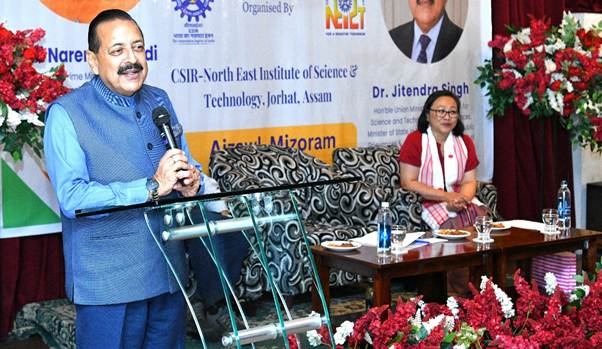
Steps Forward for Sustainable Progress
Events like the one in Mizoram serve as starting points for larger transformations. Regular follow-ups and monitoring help sustain momentum. Farmers who adopt new crops often inspire neighbors, leading to cluster formations that attract buyers directly.
With continued support, the Northeast bio-potential can indeed power national economic ascent. Villages turn into vibrant hubs of activity, youth find meaningful work close to home, and women lead household enterprises. This holistic development model sets an example for other regions facing similar challenges.
The journey requires patience and collective will, but early results from aroma missions prove it works. As more success stories emerge, investor interest grows, paving the way for advanced facilities like distillation units and cold storage.
In essence, harnessing the region’s natural gifts through smart science opens endless possibilities. The Northeast stands ready to contribute significantly to India’s growth story, one aromatic field at a time.