
India marked a significant milestone today as the nation remembered one of its greatest architects of unity. The President, Droupadi Murmu, led the tributes to Sardar Vallabhbhai Patel on his 150th birth anniversary with deep respect and reverence. This occasion not only celebrates his birth but also reflects on his unmatched contribution to building a united India.
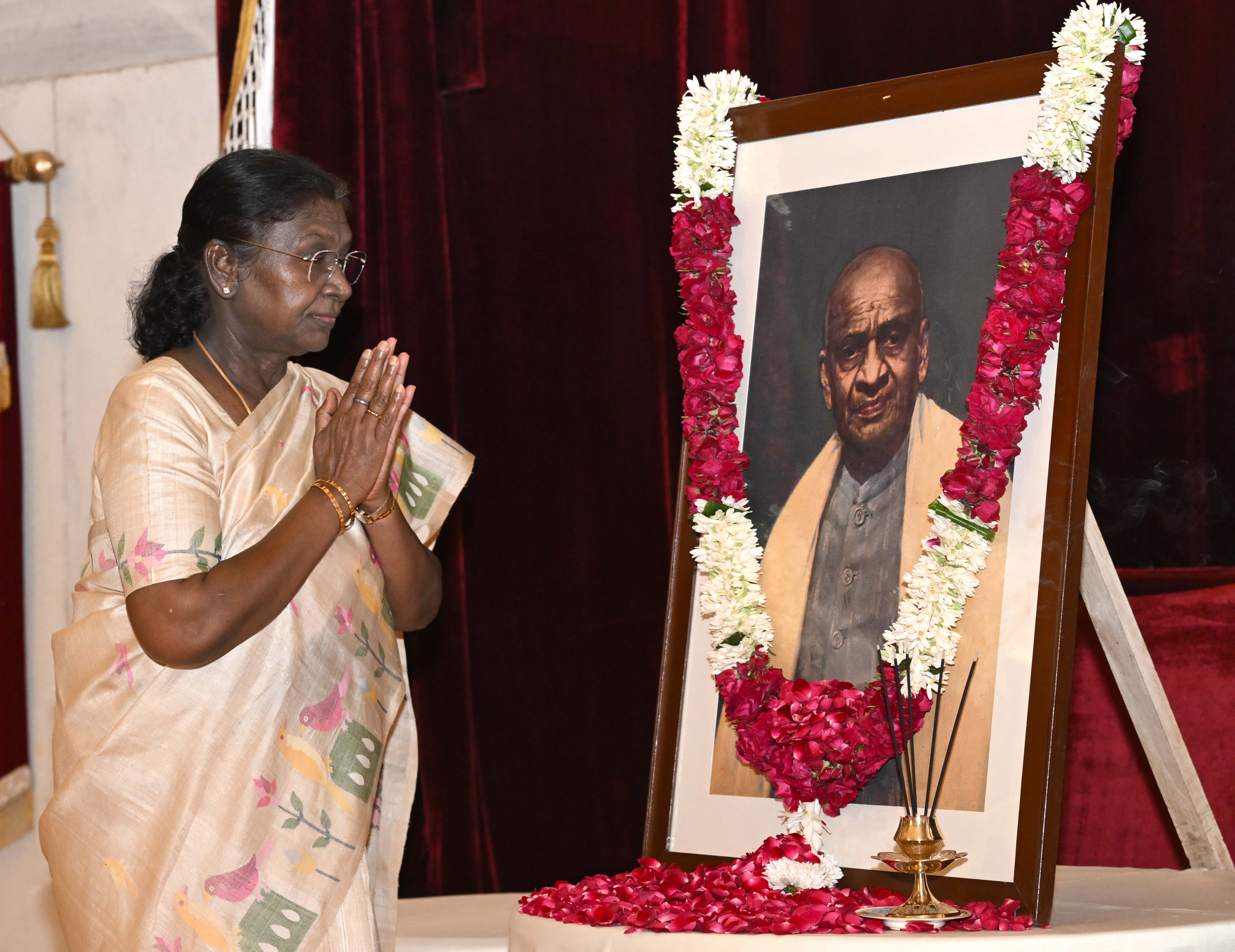
A Morning of Remembrance at Rashtrapati Bhavan
The day began early at the presidential residence in New Delhi. President Murmu offered fresh flowers at the portrait of Sardar Patel in a simple yet solemn ceremony. The event took place on October 31, 2025, exactly on the 150th anniversary of his birth. Surrounded by a small gathering of officials and staff, she stood in silence for a moment, acknowledging the legacy of the man known as the Iron Man of India.
Sardar Patel’s role in integrating over 560 princely states into the Indian Union remains one of the most remarkable chapters in post-independence history. His vision and determination laid the foundation for the India we know today. President Murmu’s gesture highlighted the continued importance of his ideals in modern governance and national integration.
Visit to Sardar Patel Chowk in the Capital
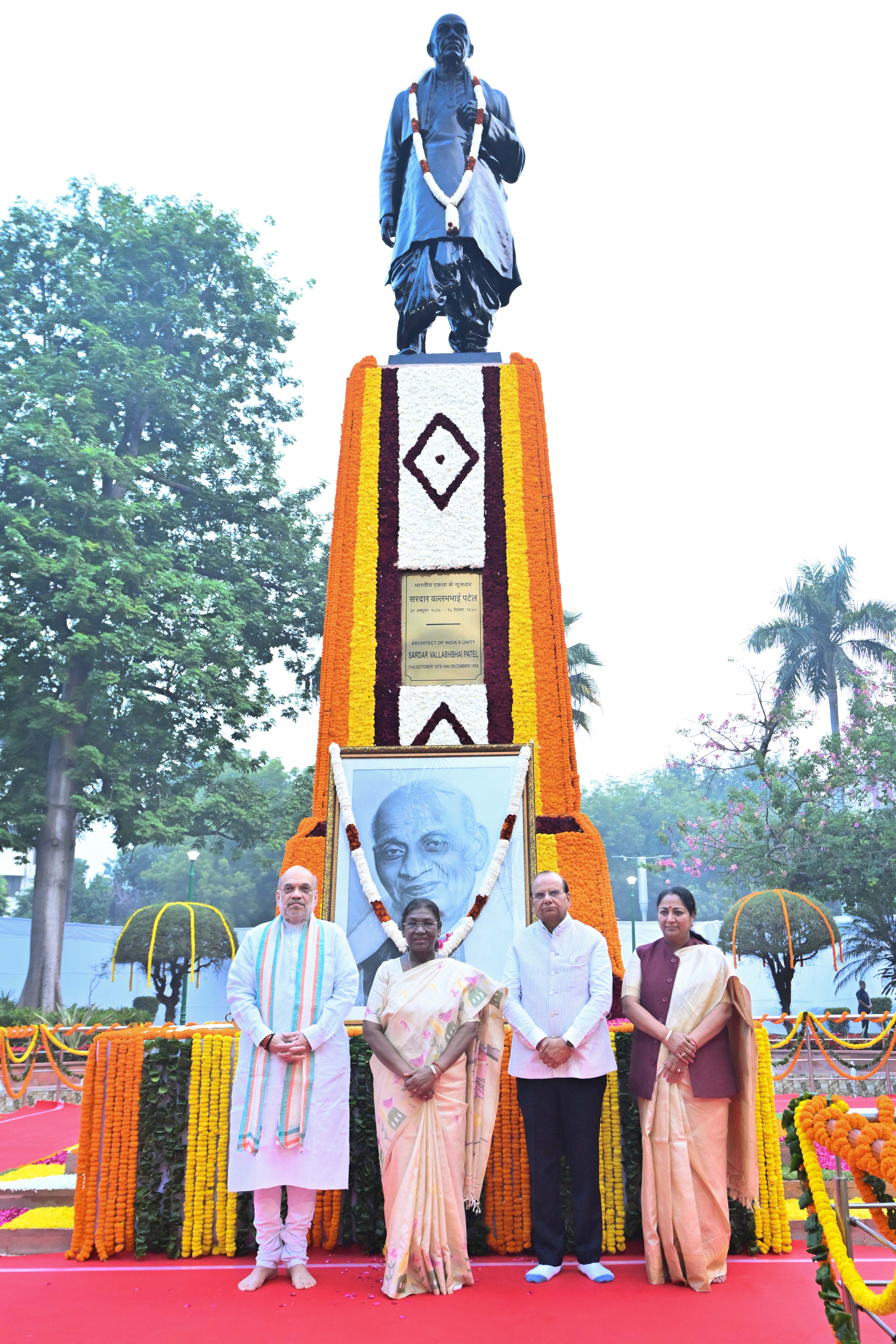
Later in the morning, the President made her way to Sardar Patel Chowk, a prominent landmark in central New Delhi. Here, she placed a wreath at the base of the towering statue of Sardar Patel. The location holds symbolic value, standing as a tribute to his leadership and statesmanship. Security personnel and local residents watched quietly as the national anthem played softly in the background.
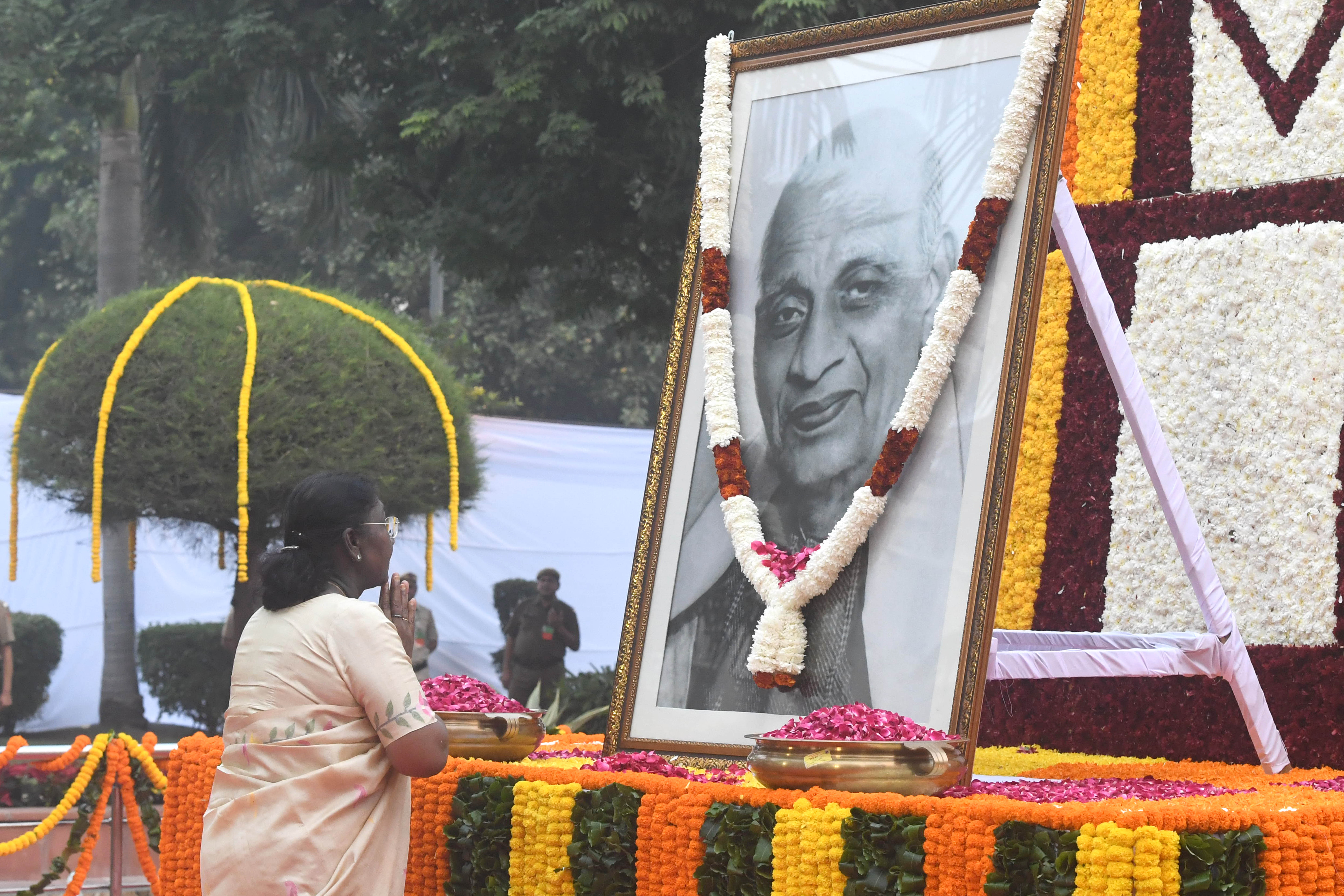
The statue at the chowk captures Sardar Patel in his characteristic pose, exuding strength and resolve. It serves as a daily reminder for thousands of commuters about the sacrifices made during India’s formative years. President Murmu spent a few minutes at the site, interacting briefly with members of the public who had gathered to witness the occasion.
Why Sardar Patel’s 150th Birth Anniversary Matters Today
Born on October 31, 1875, in Nadiad, Gujarat, Vallabhbhai Patel rose from a successful lawyer to a key figure in India’s freedom struggle. He worked closely with Mahatma Gandhi during pivotal movements like the Bardoli Satyagraha, earning the title “Sardar” for his leadership. After independence, his most challenging task was persuading princely rulers to join the Indian Union without conflict.
His approach combined diplomacy with firm resolve. States like Hyderabad, Junagadh, and Travancore eventually acceded peacefully due to his strategic negotiations. This prevented potential fragmentation and ensured India’s geographical and political unity. The 150th anniversary serves as an opportunity to revisit these efforts and draw lessons for contemporary challenges.
National Unity Day and Ongoing Celebrations
October 31 is observed annually as National Unity Day or Rashtriya Ekta Diwas across India. Schools, government offices, and public institutions organize events to promote harmony and togetherness. This year, the sesquicentennial added extra significance, with special programs highlighting Patel’s life through documentaries, exhibitions, and youth engagement activities.
In Delhi and other cities, run-for-unity marathons drew large crowds. Participants carried banners with messages of solidarity. Educational institutions conducted essay competitions and debates on Patel’s contributions to nation-building. The central government encouraged citizens to take the unity pledge online, reinforcing the message of “Ek Bharat, Shreshtha Bharat.”
Lessons from the Iron Man for Modern India
Sardar Patel’s life offers timeless insights. His emphasis on administrative efficiency influenced the creation of the All India Services. He believed strong institutions were essential for a stable democracy. Today, as India navigates complex federal relations and regional aspirations, his methods of inclusive dialogue remain relevant.
Moreover, Patel championed rural development and cooperative movements. The dairy cooperative model in Gujarat traces its roots to his encouragement of farmer collectives. These initiatives empowered communities and reduced dependency on external systems. Young leaders often study his pragmatic approach to problem-solving.
President Murmu’s tributes underscore the government’s commitment to these values. By personally participating in the ceremonies, she set an example for public officials nationwide. Such acts strengthen the emotional bond between leadership and historical figures who shaped the country.
Looking Ahead: Preserving Patel’s Legacy
The Statue of Unity in Gujarat, the world’s tallest statue, continues to attract millions of visitors. Built on the banks of the Narmada River, it symbolizes Patel’s towering presence in Indian history. Educational tours and digital archives are making his writings and speeches accessible to newer generations.
As India aims for developed nation status by 2047, revisiting Patel’s vision of a self-reliant and united country gains urgency. Infrastructure projects, digital connectivity, and social welfare schemes echo his focus on inclusive growth. The 150th birth anniversary provides momentum to accelerate these efforts.
In conclusion, the floral tributes by President Droupadi Murmu were more than ceremonial. They represented a nation’s gratitude to a leader who stitched together diverse regions into one fabric. His story inspires every Indian to contribute toward a stronger, more cohesive society.